9 Best All-Purpose Tool Kits for Garden Tool Storage
The smell of damp earth and the high turgor pressure of a hydrated leaf indicate a garden in peak physiological health. Maintaining this state requires more than intuition; it demands a disciplined organization of hardware to ensure every cut is precise and every soil amendment is measured accurately. Selecting the best tool kits for garden storage ensures that essential equipment remains free of oxidation and accessible during critical windows of the growing season. A disorganized shed leads to dull blades and contaminated surfaces, which can introduce pathogens into the vascular tissue of a specimen. Efficient storage systems protect the integrity of your investment and the health of your rhizosphere.
Materials:
Superior gardening begins with the substrate. The ideal medium is a **friable loam** with a **Cation Exchange Capacity (CEC) above 15 meq/100g**. This ensures the soil can retain and exchange essential nutrients like calcium and magnesium. For general vegetable production, maintain a **soil pH between 6.2 and 6.8** to optimize nutrient bioavailability.
Specific NPK (Nitrogen, Phosphorus, Potassium) ratios must align with the plant's life cycle. Use a 10-10-10 balanced fertilizer for general maintenance in early spring. Transition to a 5-10-10 ratio when prioritizing root development or fruit set to avoid excessive vegetative growth at the expense of reproductive output. The physical texture should allow for immediate drainage while maintaining enough capillary action to keep the root zone moist.
Timing:
Successful cultivation is dictated by the USDA Hardiness Zones and the local frost-free window. In Zone 7, the transition from the dormant phase to the vegetative stage typically occurs after the last average frost date of April 15. Monitoring the biological clock is essential; plants transition from vegetative growth to the reproductive stage based on the photoperiod. Short-day plants require a reduction in light exposure to trigger flowering, while long-day plants respond to the increase in solar radiation during the summer solstice. Observe the degree-day accumulation to predict pest emergence and peak harvest windows with scientific accuracy.
Phases:

Sowing
Direct sow seeds at a depth exactly three times the diameter of the seed. Maintain a consistent soil temperature of 65 to 75 degrees Fahrenheit for optimal germination rates.
Pro-Tip: Ensure seed-to-soil contact to facilitate imbibition, the process where the seed absorbs water to activate metabolic enzymes. Without this initial hydraulic pressure, the embryo remains dormant.
Transplanting
When moving seedlings, minimize root disturbance to prevent transplant shock. Dig a hole twice the width of the root ball but no deeper than the original container.
Pro-Tip: Inoculate the planting hole with mycorrhizal fungi. This symbiotic relationship expands the root surface area, allowing the plant to access phosphorus and water that would otherwise be beyond the reach of the root hairs.
Establishing
During the first 14 to 21 days, focus on root expansion rather than upward growth. Avoid high-nitrogen fertilizers during this window to prevent leggy stems that cannot support future fruit weight.
Pro-Tip: Practice auxin suppression by pinching back the apical meristem on specific species. This redirects growth hormones to lateral buds, creating a bushier, more structurally sound plant architecture.
The Clinic:
Physiological disorders often mimic infectious diseases but result from environmental or nutritional stress.
Symptom: Interveinal chlorosis on young leaves.
Solution: This indicates an Iron (Fe) deficiency, often caused by a soil pH above 7.0. Lower the pH using elemental sulfur to increase iron solubility.
Symptom: Blossom end rot in Solanaceae species.
Solution: This is a Calcium (Ca) transport issue, not necessarily a soil deficiency. Maintain consistent soil moisture to ensure steady calcium uptake through the xylem.
Symptom: Purpling of older foliage.
Solution: This is a classic Phosphorus (P) deficiency. Apply a water-soluble high-phosphate fertilizer to the root zone for immediate uptake.
Fix-It for Nitrogen Chlorosis: If the entire leaf turns pale yellow, apply a high-nitrogen blood meal (12-0-0). Nitrogen is mobile within the plant, so symptoms appear first in older leaves as the plant translocates nutrients to new growth.
Maintenance:
Precision maintenance requires a data-driven approach to hydration and hygiene. Deliver 1.5 inches of water per week directly at the drip line using drip irrigation to prevent foliar diseases. Use a soil moisture meter to verify that the moisture has penetrated at least 6 inches deep.
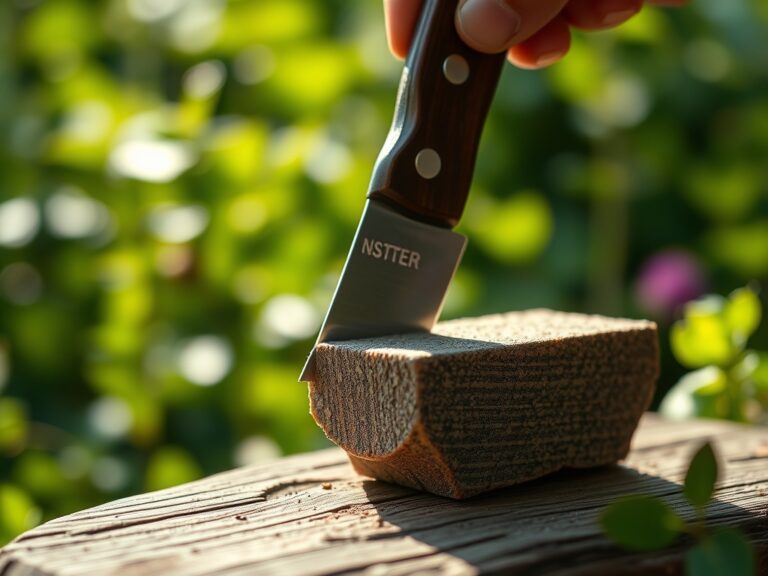
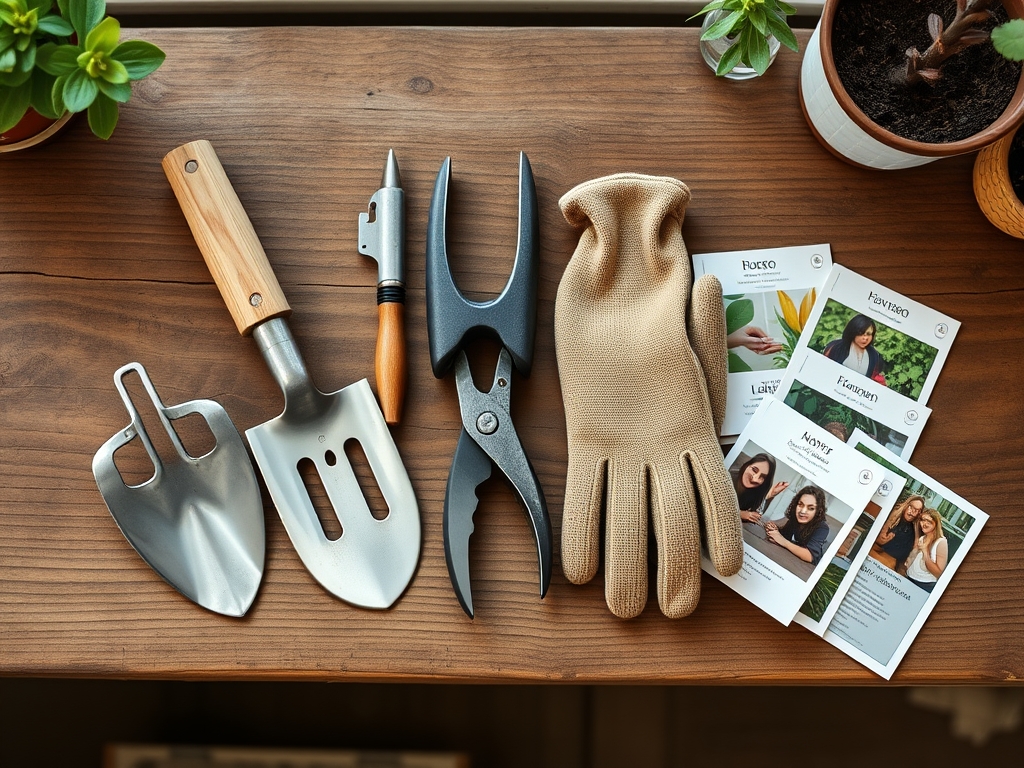
Keep your hori-hori knife sharpened to a 20-degree angle for clean divisions of perennials. Sanitize bypass pruners with a 10 percent bleach solution or 70 percent isopropyl alcohol between every plant to prevent the mechanical transmission of viral pathogens. When pruning, always cut just above a node at a 45-degree angle to encourage rapid callusing and prevent water pooling on the wound.
The Yield:
Harvesting is a race against senescence, the biological aging process. For leafy greens, harvest in the early morning when turgor pressure is at its highest. This ensures the cell walls are fully distended, providing the best texture. Use a sharp blade to make clean cuts; ragged edges increase the rate of respiration and cause rapid wilting.
For fruiting crops, monitor the Brix level (sugar content) using a refractometer if precision is required. Post-harvest, move produce immediately to a cool, shaded environment to remove field heat. This slows the metabolic rate and preserves the nutritional density of the crop. For long-term storage of tubers, ensure they are cured at 60 degrees Fahrenheit with high humidity to allow the skin to thicken.
FAQ:
What is the best way to prevent tool rust?
Clean all soil from metal surfaces after use. Apply a thin layer of mineral oil or store hand tools in a bucket filled with sand and motor oil to create an oxygen barrier that prevents oxidation and pitting.
How do I know if my soil needs lime?
Conduct a professional soil test to determine the buffer pH. If the pH is below 6.0, add dolomitic lime to raise the pH and provide essential magnesium, ensuring optimal nutrient availability for the root system.
Why are my seedlings leaning toward the window?
This is phototropism, caused by the accumulation of auxins on the shaded side of the stem. The cells on the dark side elongate faster, pushing the plant toward the light source. Rotate trays 180 degrees daily to correct.
When should I sharpen my pruning shears?
Sharpen blades after every 10 to 15 hours of use or whenever you notice the tool crushing the stem rather than slicing it. A clean cut allows the plant to seal the wound quickly through compartmentalization.