6 Steps to Prepare a Detailed Tool Organization Guide
The sharp scent of wet humus and the snap of high turgor pressure in a healthy leaf signify a garden at its physiological peak. Achieving this level of cellular health requires more than water; it demands a systematic approach to infrastructure. Knowing how to prepare a garden for a tool organization guide starts with auditing the physical space where your mechanical inputs meet biological realities. A disorganized shed leads to delayed pruning or dull blades, which creates jagged wounds prone to fungal pathogens. Precision in the garden begins with the maintenance of the implements used to manipulate the rhizosphere.
Materials:
The ideal substrate for a high-production garden is a **friable loam** with a Cation Exchange Capacity (CEC) above 15. This texture allows for optimal gas exchange and capillary action. For vegetative growth, maintain a soil pH between **6.2 and 6.8** to ensure the bioavailability of micronutrients like iron and manganese.
Base your fertility program on specific NPK ratios tailored to the plant's life cycle. Use a 10-10-10 balanced fertilizer for general site preparation. Transition to a 5-10-10 ratio when phosphorus is required for root development and floral initiation. High-nitrogen inputs, such as a 21-0-0 ammonium sulfate, should only be applied when rapid leaf expansion is the primary goal and soil temperatures exceed 55 degrees Fahrenheit.
Timing:
Successful cultivation is governed by the USDA Hardiness Zones and the local frost-free window. In Zones 6 through 8, the primary planting window opens when the soil temperature consistently hits 60 degrees Fahrenheit at a four-inch depth. This thermal threshold triggers the "Biological Clock," shifting the plant from dormancy into the vegetative stage.
As the photoperiod extends toward the summer solstice, plants transition from vegetative growth to reproductive stages. Monitoring this shift is critical for tool readiness. You must have your bypass pruners sharpened and sterilized before the plant enters its peak metabolic state. Pruning during the transition to the reproductive phase minimizes stress and prevents the loss of sap through excessive bleeding.
Phases:
Sowing
Direct sow seeds at a depth exactly three times their diameter. Ensure the seedbed is free of large aggregates to provide maximum seed-to-soil contact. This contact is essential for imbibition, the process where the seed absorbs water to activate metabolic enzymes.
Pro-Tip: Maintain consistent moisture to prevent the desiccation of the radicle. The biological why involves turgor pressure; without sufficient hydraulic lift, the seedling cannot rupture the seed coat or push through the soil surface.
Transplanting
When moving seedlings from flats to the field, minimize root exposure to UV light and air. Dig a hole twice the width of the root ball. Position the plant so the crown sits exactly at the soil line to prevent stem rot.
Pro-Tip: Apply a mycorrhizal inoculant to the planting hole. This establishes a mycorrhizal symbiosis, where fungal hyphae extend the root system's reach, increasing the uptake of immobile nutrients like phosphorus by up to 10 times.
Establishing
During the first 14 to 21 days, focus on root expansion rather than top growth. Avoid high-nitrogen fertilizers that force premature leaf production. Use a soil moisture meter to ensure the root zone remains in the "available water" range between field capacity and the permanent wilting point.
Pro-Tip: Pinch off early flower buds to redirect energy toward root architecture. This suppresses auxin production in the apical meristem, encouraging lateral branching and a more robust structural framework.
The Clinic:
Physiological disorders often mimic infectious diseases but result from environmental or nutritional imbalances.
- Symptom: Interveinal chlorosis on young leaves.
- Solution: This indicates an Iron deficiency, often caused by a pH above 7.2. Lower the pH using elemental sulfur or apply chelated iron foliar sprays.
- Symptom: Blossom end rot on fruit.
- Solution: This is a Calcium transport issue. Ensure consistent irrigation to maintain the transpiration stream; calcium moves through the plant via xylem and requires steady water flow.
- Symptom: Purpling of older foliage.
- Solution: Phosphorus deficiency. This often occurs in cold soils below 50 degrees Fahrenheit where microbial activity is low. Apply a water-soluble high-phosphate starter.
- Fix-It for Nitrogen Chlorosis: If older leaves turn uniform pale yellow, apply a quick-release nitrate-based fertilizer. Nitrogen is mobile; the plant moves it from old growth to new growth to survive.
Maintenance:
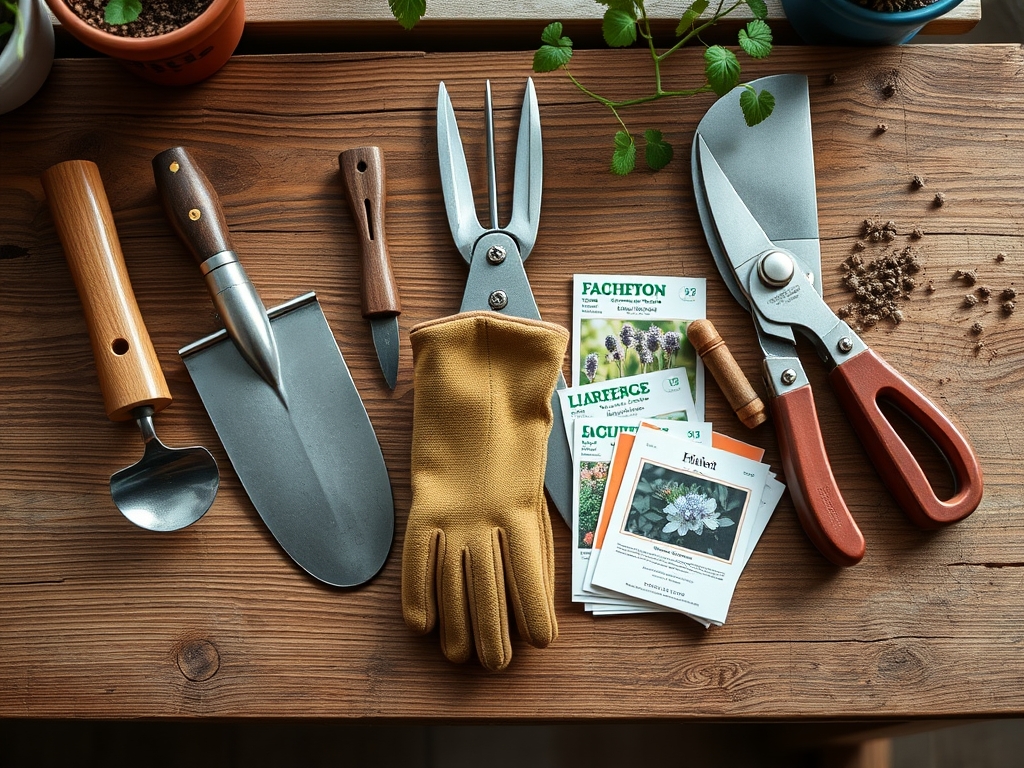
Precision maintenance dictates the longevity of the garden. Deliver 1.5 inches of water per week directly at the drip line. Overhead watering increases leaf wetness duration, which serves as a primary vector for fungal spores. Use a hori-hori knife for deep-rooted weed extraction to ensure the entire taproot is removed without disrupting the soil horizons.
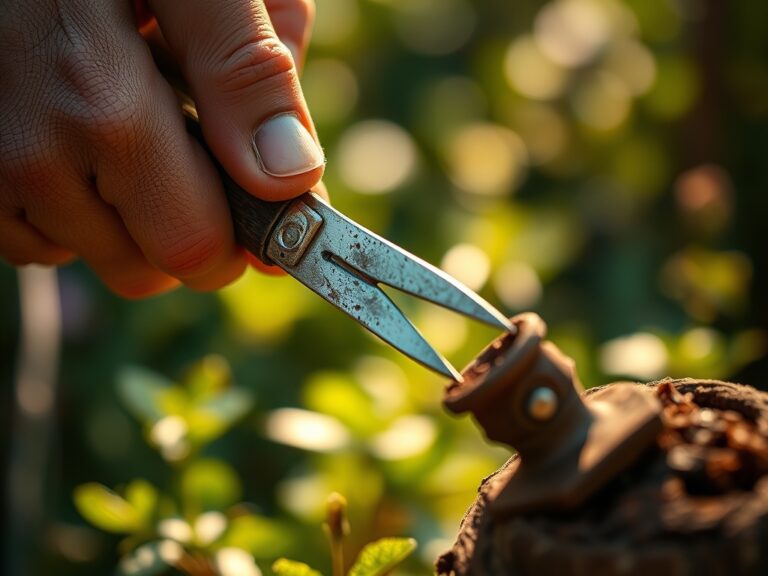
Keep bypass pruners clean using a 10 percent bleach solution or 70 percent isopropyl alcohol between every cut. This prevents the mechanical transmission of pathogens. Monitor the soil regularly with a soil moisture meter at depths of 2, 4, and 6 inches to map the hydration profile of your specific soil series.
The Yield:
Harvesting is a race against senescence. For most leafy greens and herbs, harvest in the early morning when turgor pressure is at its maximum and field heat is at its lowest. Use a sharp, sterilized blade to make clean cuts; ragged edges increase the surface area for moisture loss and pathogen entry.
Post-harvest handling is critical for "day-one" freshness. Immediately plunge harvested crops into an ice-water bath to remove field heat. This process, known as hydro-cooling, slows the respiration rate of the plant tissue. For woody perennials or flowers, recut stems under water to prevent air embolisms from blocking the xylem, ensuring continued hydration.
FAQ:
How do I calibrate a soil moisture meter?
Submerge the probe in a container of saturated soil to find the "wet" baseline. Then, test a sample of air-dried soil for the "dry" baseline. Most professional meters use a 0 to 10 scale for relative moisture.
What is the best way to clean rusty garden tools?
Soak tool heads in a 50/50 vinegar and water solution for 24 hours. Use steel wool to remove oxidized layers. Neutralize the acid with a baking soda wash, dry completely, and coat with mineral oil to prevent further oxidation.
When should I sharpen my bypass pruners?
Sharpen blades every 10 to 15 hours of active use. A dull blade crushes the vascular cambium rather than slicing it. This leads to slow wound healing and increases the risk of systemic infection within the plant's transport tissues.
Why is soil pH important for tool efficiency?
High-acid soils (pH below 5.0) can accelerate the corrosion of metal tool components left in contact with the earth. Furthermore, improper pH levels lead to stunted root systems, making manual weeding and soil turning significantly more labor-intensive.