7 Stability Steps for Repotting a Dragon Tree
The smell of damp, anaerobic peat signals a root system in distress. When you grasp the trunk of a Dracaena marginata, the turgor pressure should feel firm; a spongy bark indicates cellular collapse from overwatering. Mastering the steps for repotting a dragon tree requires moving beyond aesthetics to focus on the structural integrity of the rhizosphere. This process ensures the specimen transitions from a constricted state to one of expansive physiological vigor. Successful repotting prevents the senescence of lower foliage and encourages a robust canopy.
Materials:
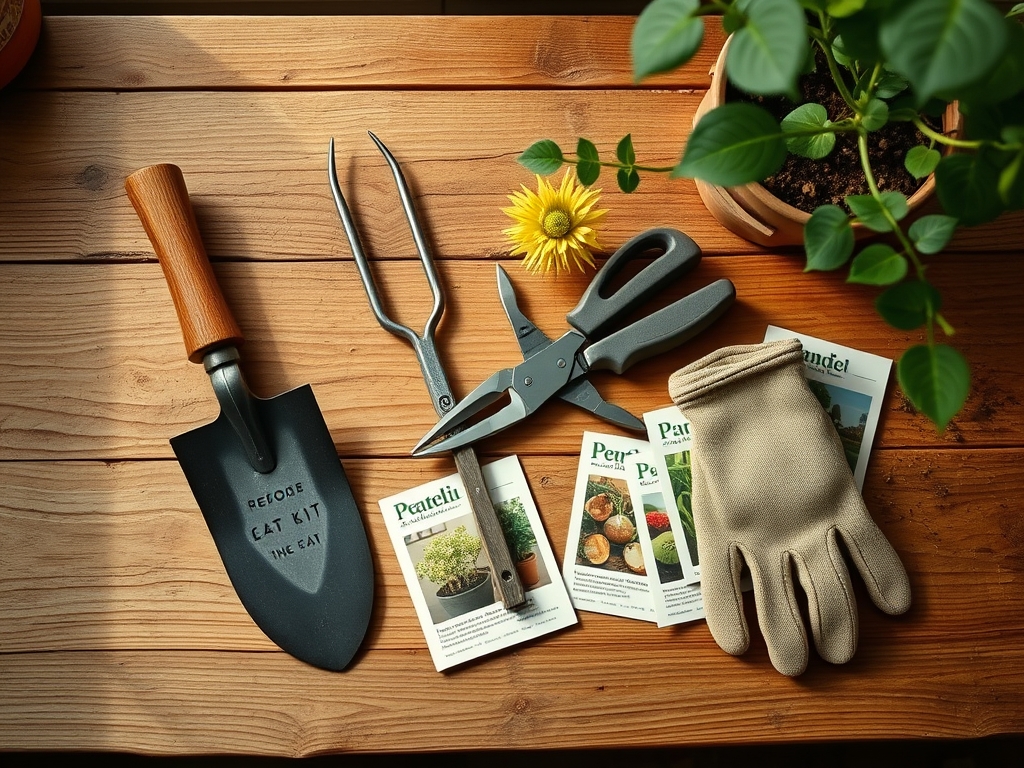
Substrate selection determines the Cation Exchange Capacity (CEC), which dictates how well the plant retains and releases nutrients like potassium and magnesium. The ideal medium is a **friable loam** with a **pH range of 6.0 to 6.5**. Dragon trees are sensitive to fluoride, so avoid mixes containing high percentages of perlite if the water source is treated.
Use a blend of 40% coco coir, 30% pumice, and 30% aged pine bark. This configuration ensures a high macro-pore space for gas exchange. For nutrition, incorporate a slow-release fertilizer with an NPK ratio of 3-1-2. This specific ratio supports the high nitrogen demand for leaf production while providing sufficient potassium for cellular wall strength. Ensure the new vessel is only 2 inches wider in diameter than the current root ball to prevent "perched water tables," where excess soil remains saturated and leads to root rot.
Timing:
The biological clock of the Dracaena marginata is governed by the photoperiod. In Hardiness Zones 10 through 12, these plants can remain outdoors year-round. However, for indoor specimens in cooler zones, repotting must occur during the onset of the active growing season, typically between late March and early May.
This window aligns with the transition from semi-dormancy to the vegetative stage. During this period, the plant increases its production of auxins, the hormones responsible for root elongation. Attempting a transplant during the winter months, when light levels are low and the plant is in a state of metabolic rest, results in slow recovery and increased susceptibility to fungal pathogens. Wait until the local frost-date window has passed if the plant is kept in a sunroom or patio.
Phases:

Sowing and Preparation
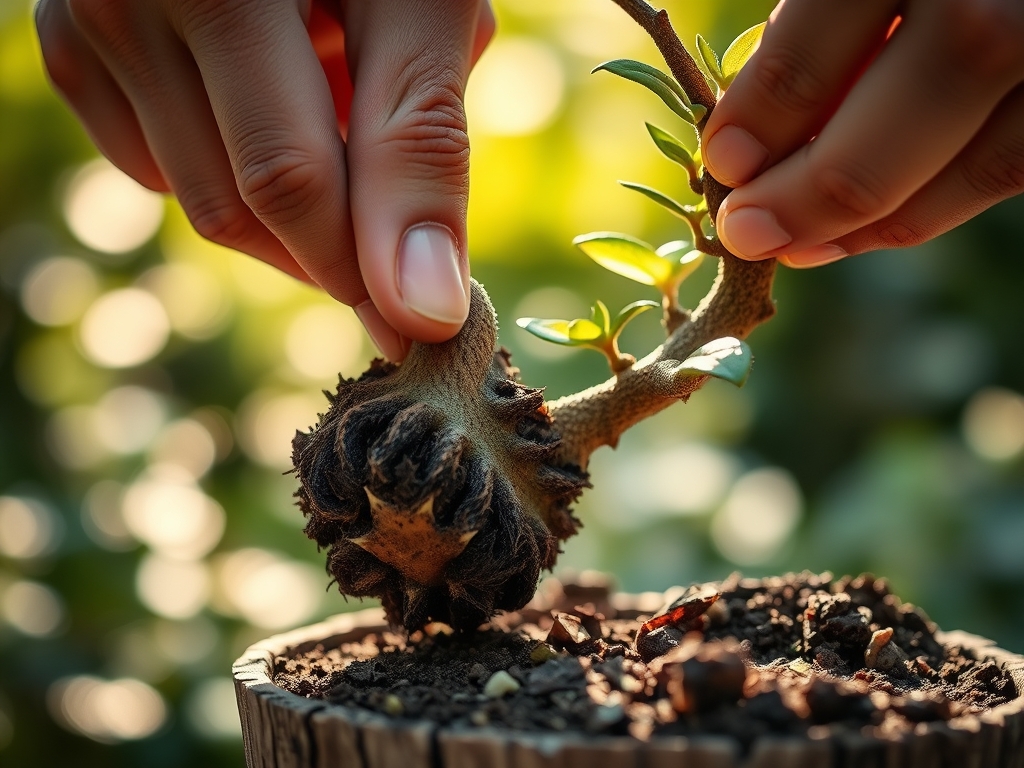
Before the physical move, hydrate the plant 48 hours in advance. This ensures the cells are at maximum turgidity. Sterilize your bypass pruners with 70% isopropyl alcohol to prevent the transmission of pathogens. Carefully slide the tree from its container. If the roots are circling the base, they have become "pot-bound," a state that limits nutrient uptake.
Pro-Tip: Use a hori-hori knife to make three to four vertical slices into the root ball. This mechanical disruption triggers wound-induced xylogenesis, forcing the plant to grow new, outward-reaching lateral roots rather than continuing the circular growth pattern.
Transplanting
Place a layer of the prepared substrate at the bottom of the new pot. Position the dragon tree so the "root flare"—the point where the trunk meets the roots—is 1 inch below the rim. Filling the pot too high leads to water runoff, while planting too deep causes stem rot. Settle the soil by tapping the sides of the pot rather than pressing down with your hands, which can collapse the vital air pockets.
Pro-Tip: Incorporate a mycorrhizal inoculant directly onto the root zone during this phase. This creates a mycorrhizal symbiosis where beneficial fungi extend the reach of the root system, significantly increasing the surface area for phosphorus absorption.
Establishing
Once the tree is situated, water it until the discharge runs clear from the drainage holes. Place the plant in a location with filtered bright light, avoiding direct midday sun which can cause leaf scorch on unacclimated tissue. Monitor the soil moisture meter daily for the first two weeks, keeping the substrate consistently moist but never waterlogged.
Pro-Tip: Avoid fertilizing for the first 45 days post-transplant. The plant needs to focus on root primordia development rather than foliar growth. Excessive salts from fertilizers can desiccate new, tender root hairs through osmotic stress.
The Clinic:
Physiological disorders often manifest shortly after repotting if the environment is not optimized.
- Symptom: Yellowing of lower leaves (Chlorosis).
- Solution: Check for nitrogen deficiency. If the soil is too wet, it may be root suffocation.
- Fix-It: Apply a diluted liquid seaweed extract to provide micronutrients without burning the roots.
- Symptom: Brown, crispy leaf tips.
- Solution: This is often a reaction to fluoride or salts in tap water.
- Fix-It: Flush the soil with distilled water or rainwater to leach out accumulated minerals.
- Symptom: Soft, blackened stems at the soil line.
- Solution: This indicates Pythium or Phytophthora fungal infection due to poor drainage.
- Fix-It: Remove the plant, prune away necrotic roots, and repot in a mix with 50% coarse grit or perlite.
Maintenance:
Post-repotting maintenance requires precision. Provide 1.5 inches of water per week, delivered at the drip line rather than against the trunk. Use a soil moisture meter to ensure the top 2 inches of soil have dried before the next irrigation cycle.
Maintain an ambient temperature between 65 and 80 degrees Fahrenheit. Use bypass pruners to remove any dead or marcescent leaves at the base of the crown to improve airflow. During the peak summer months, increase humidity levels to 50% or higher to prevent transpiration rates from exceeding the roots' ability to provide water, which maintains the necessary turgor pressure for upright growth.
The Yield:
While the dragon tree is not an edible crop, its "yield" is measured in biomass and air filtration efficiency. To maximize the aesthetic yield, clean the leaves monthly with a damp cloth to remove dust. This prevents the clogging of stomata, the microscopic pores used for gas exchange. If the tree becomes too tall, you can perform a "top-cut." Use a sterile blade to remove the apical meristem. This suppresses apical dominance and forces the plant to branch out from axillary buds, resulting in a fuller, multi-headed specimen. Handle the cuttings by dipping them in rooting hormone and placing them in water; they will develop roots in 3 to 4 weeks.
FAQ:
How do I know when to repot a dragon tree?
Look for roots emerging from drainage holes or water sitting on the soil surface. If the plant requires water every 2 to 3 days, the root-to-soil ratio is too high. Repotting is necessary every 2 years for younger specimens.
What is the best soil for a dragon tree?
Use a well-draining, peat-based or coco-coir-based mix with a pH of 6.0 to 6.5. Ensure the substrate contains at least 30% inorganic matter like pumice or coarse sand to facilitate drainage and prevent oxygen deprivation in the rhizosphere.
Can I use a pot without drainage holes?
No. Dragon trees are highly susceptible to root rot caused by stagnant water. Without drainage, salts accumulate and the soil becomes anaerobic. Always use a vessel with at least one half-inch drainage hole to ensure proper moisture regulation.
Why are the leaves drooping after I repotted?
This is typically transplant shock. The fine root hairs responsible for water uptake may have been damaged. Maintain high humidity and avoid direct sunlight for 10 days to allow the plant to re-establish its hydraulic system and restore turgor.