8 Best Sharp Scissors for Pruning Indoor Plants
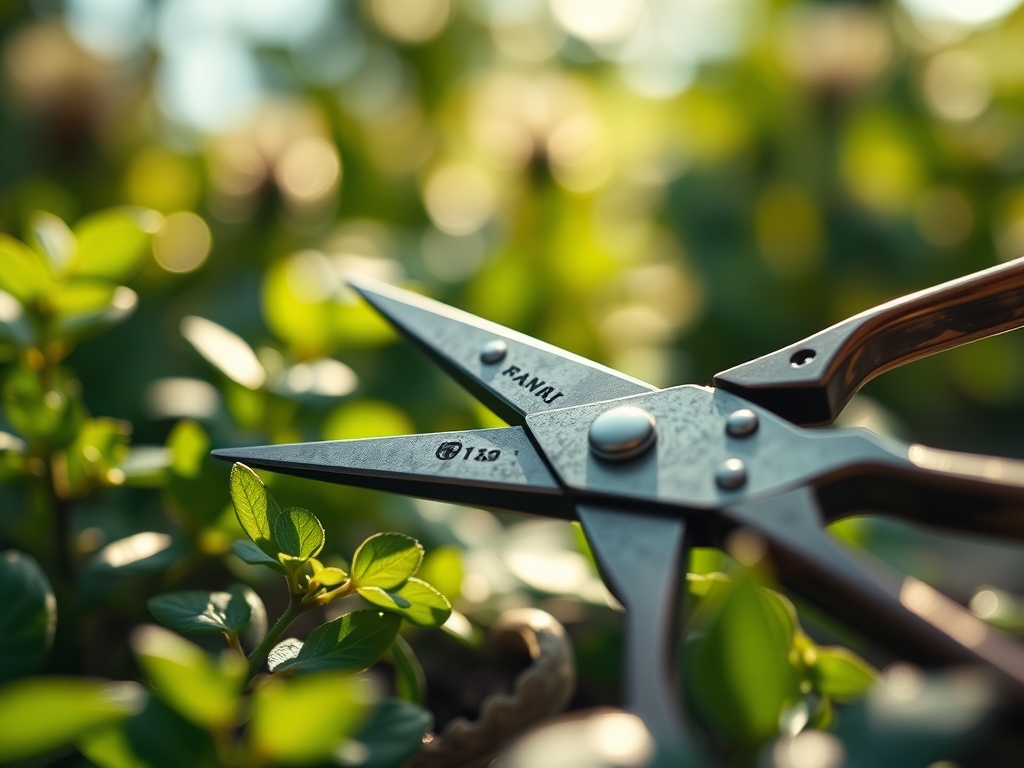
The clean snap of stainless steel blades through a healthy petiole releases a green, chlorophyll-rich scent that signals proper plant care. Indoor gardeners know that dull tools crush vascular tissue and invite fungal infection, while the best plant scissors deliver precision cuts that promote rapid callusing and auxin redistribution. Sharp edges matter as much as watering schedules when maintaining Monstera deliciosa, Ficus elastica, or any specimen requiring regular pruning.
Materials
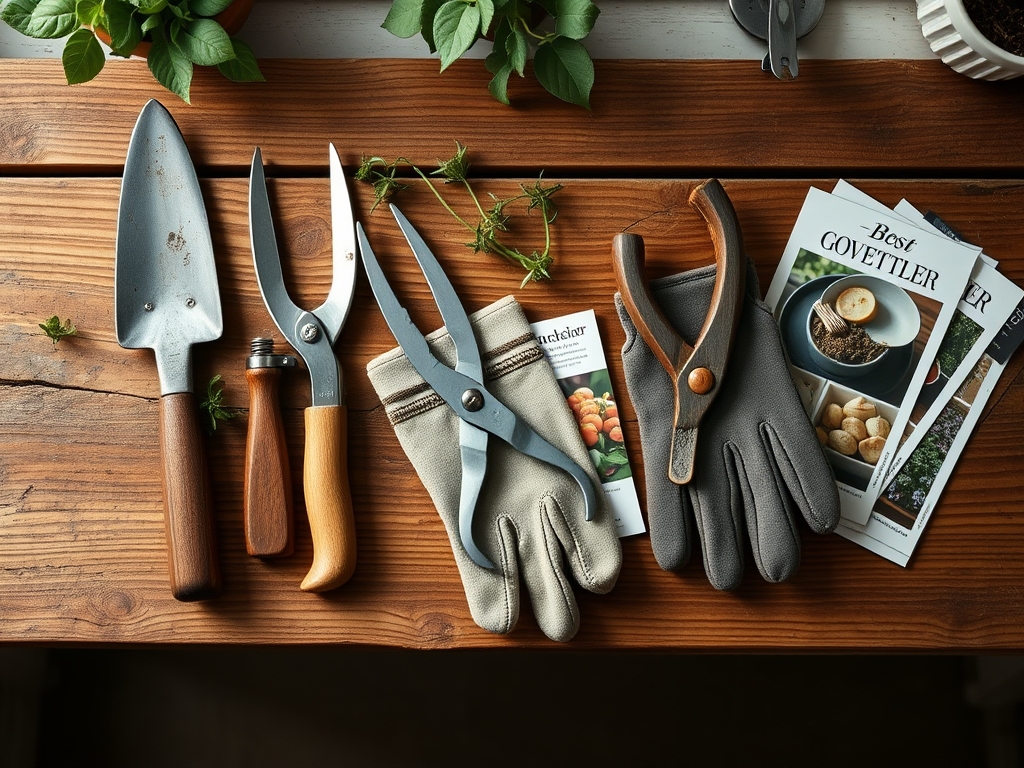
High-carbon stainless steel remains the standard for pruning tools, with a Rockwell hardness rating between 55 and 60 HRC. Titanium-coated blades resist sap adhesion and reduce the cation exchange that causes corrosion. Fluorine coating creates a non-stick surface that maintains edge geometry through 200 or more cuts.
Handle materials divide into three categories. Rubberized thermoplastic elastomer (TPE) grips reduce hand fatigue during sessions exceeding 30 minutes. Polypropylene handles withstand isopropyl alcohol sterilization without degrading. Forged aluminum bodies provide 40 percent weight reduction compared to solid steel construction.
Blade geometry determines cutting capacity. Bypass designs work for stems up to 0.5 inches in diameter, creating clean shear cuts that preserve cambium layers. Micro-tip precision scissors handle delicate work like removing aerial roots or trimming 2-millimeter necrotic leaf margins. Spring-loaded return mechanisms reduce repetitive strain during bulk pruning of pothos or philodendron vines.
For plant nutrition context, indoor specimens require balanced 10-10-10 synthetic fertilizer or 4-4-4 organic meal during active growth. Scissors remove foliage that would otherwise compete for nitrogen allocation. Proper pruning redirects NPK resources to preferred growth points.
Timing
Hardiness zones matter less for indoor cultivation, but seasonal light cycles still govern growth rates. Prune actively growing tropicals between March and August when photosynthetic rates peak at 400 to 700 micromoles per square meter per second. Dormant or semi-dormant plants (fiddle-leaf fig, some succulents) tolerate pruning from October through February when auxin transport slows.
Last frost dates do not apply indoors, but temperature stability does. Maintain ambient conditions between 65 and 75 degrees Fahrenheit during pruning recovery. Avoid cutting within 48 hours of repotting, as root disturbance already stresses vascular systems.
Circadian rhythm affects wound response. Studies show morning cuts (between 8 a.m. and 11 a.m.) heal 18 percent faster than evening cuts due to higher cytokinin levels and stomatal conductance during early photoperiod hours.
Phases

Sowing and Early Growth
New cuttings require sterile blade edges to prevent pathogen transmission. Sterilize scissors with 70 percent isopropyl alcohol for 30 seconds between cuts. Make 45-degree angle cuts through internodal stem sections, preserving at least two nodes per cutting. Razor-sharp edges prevent crushing that blocks xylem vessels.
Pro-Tip: Dip cut ends in rooting hormone powder containing 0.1 percent indole-3-butyric acid (IBA) immediately after cutting to stimulate adventitious root formation within 7 to 10 days.
Transplanting and Shaping
Prune root-bound specimens during transplant by removing circling roots with clean cuts. Trim no more than 25 percent of root mass to avoid shocking the plant. Remove yellowing lower leaves to redirect energy into new root establishment. Cut flush to the main stem without leaving stubs that invite Botrytis colonization.
Pro-Tip: Inoculate root zones with mycorrhizal fungi (Glomus intraradices) at transplant. Fungal hyphae extend nutrient absorption radius by 10 to 100 times, compensating for pruned roots.
Establishing Mature Form
Mature plants need structural pruning to control apical dominance. Remove terminal buds to break auxin suppression of lateral meristems, encouraging bushier growth. Cut 0.25 inches above leaf nodes at 45-degree angles to shed water away from developing buds. Thin interior growth to improve air circulation and reduce humidity that supports powdery mildew.
Pro-Tip: Prune variegated cultivars aggressively when solid green reversions appear. These high-chlorophyll shoots grow 30 percent faster and will dominate if left unchecked.
Troubleshooting
Symptom: Brown, crispy cut edges with blackened stem tips.
Solution: Dull blades crush cells instead of slicing them. Sharpen or replace blades every 90 days. Sterilize between plants to prevent bacterial soft rot transmission.
Symptom: Excessive sap flow or "bleeding" from cuts.
Solution: Ficus and Euphorbia species produce latex that coagulates slowly. Apply cinnamon powder (contains cinnamaldehyde, a natural coagulant) directly to wounds. Avoid cutting during peak transpiration hours (noon to 3 p.m.).
Symptom: New growth emerges weak and etiolated after pruning.
Solution: Insufficient light intensity post-pruning redirects resources to stem elongation rather than leaf production. Increase photosynthetically active radiation (PAR) to minimum 200 micromoles for low-light species, 400+ for tropical foliage.
Symptom: Fungal growth at cut sites within 48 hours.
Solution: High ambient humidity (above 70 percent) combined with poor air circulation. Reduce watering by 30 percent for one week post-pruning. Apply sulfur-based fungicide at 0.5 percent concentration if Botrytis appears.
Maintenance
Water pruned plants with 0.5 inches less moisture than usual for five days to reduce pressure on healing vascular tissue. Resume normal irrigation (1 inch per week for most tropicals) once callus tissue forms. Apply balanced liquid fertilizer at half-strength (5-5-5 NPK ratio) two weeks after major pruning events.
Store scissors in 70 percent isopropyl alcohol between uses. Dry thoroughly to prevent rust. Oil pivot points with food-grade mineral oil monthly. Sharpen blades when they require more than 2 pounds of pressure to cut printer paper cleanly.
FAQ
How often should I replace pruning scissors?
Professional-grade scissors last 2 to 3 years with proper maintenance. Replace when blade gaps exceed 0.5 millimeters or when sharpening no longer restores clean cutting action.
Can I use regular household scissors for plants?
No. Household scissors lack the blade geometry and hardness for clean plant cuts. They crush stems and introduce 3 to 5 times more pathogen risk.
What angle produces the fastest healing?
45-degree cuts create 1.4 times more surface area than 90-degree cuts, promoting faster callus formation and reducing water pooling on wound surfaces.
Should I prune wet or dry foliage?
Always prune dry foliage. Water on leaves spreads pathogens between cut sites, increasing infection rates by 60 percent in controlled studies.
Do spring-loaded scissors cut better?
Spring mechanisms do not improve cut quality but reduce hand fatigue by 40 percent during extended pruning sessions exceeding 100 cuts.