8 Sturdy Steps to Build a Grapevine Garden Pergola
The scent of sun-warmed cedar mingles with crushed grape leaves as you drive the first post into loosened soil. A well-constructed pergola transforms scattered vines into an ordered canopy, maximizing photosynthetic surface area while improving airflow to reduce fungal pressure. The steps for building a vegetable garden pergola apply equally to grapevines, though Vitis vinifera demands stronger horizontal supports due to mature wood weight and fruit load.
Materials and Amendments
Select pressure-treated posts rated for ground contact, minimum 6×6 inches, or rot-resistant species like black locust or cedar heartwood. Horizontal beams require 2×8-inch lumber spaced 18 to 24 inches apart to distribute cane weight. Galvanized lag bolts (1/2-inch diameter) prevent rust-induced failure. Concrete footings (12-inch diameter, 36-inch depth in Zone 6 and colder) anchor posts below frost heave lines.
Soil preparation around post bases benefits from incorporating a 4-4-4 organic meal at 2 pounds per 10 square feet. This balanced NPK ratio supports microbial colonization without excess nitrogen that promotes soft, disease-prone growth. Adjust pH to 6.0-6.5 using dolomitic lime if soil tests below 5.8; grapevines perform poorly in acidic conditions where manganese toxicity interferes with chlorophyll synthesis. Cation exchange capacity above 10 meq/100g ensures adequate calcium availability for cell wall integrity in developing fruit.
Timing and Hardiness Considerations
Install the pergola structure during dormancy, between leaf drop and bud break. In Zones 5-7, this window spans November through March. Zones 8-9 permit installation through early April. Avoid construction during active growth; root disturbance disrupts auxin distribution and delays fruiting by one season.
Plant bareroot grapevines two weeks after the average last frost date when soil temperature reaches 50°F at 6-inch depth. Containerized stock tolerates planting through June but establishes slower due to restricted root architecture. Space vines 8 feet apart along the pergola length to prevent canopy competition once mature canes fill horizontal supports.
Growth Phases and Training Protocol
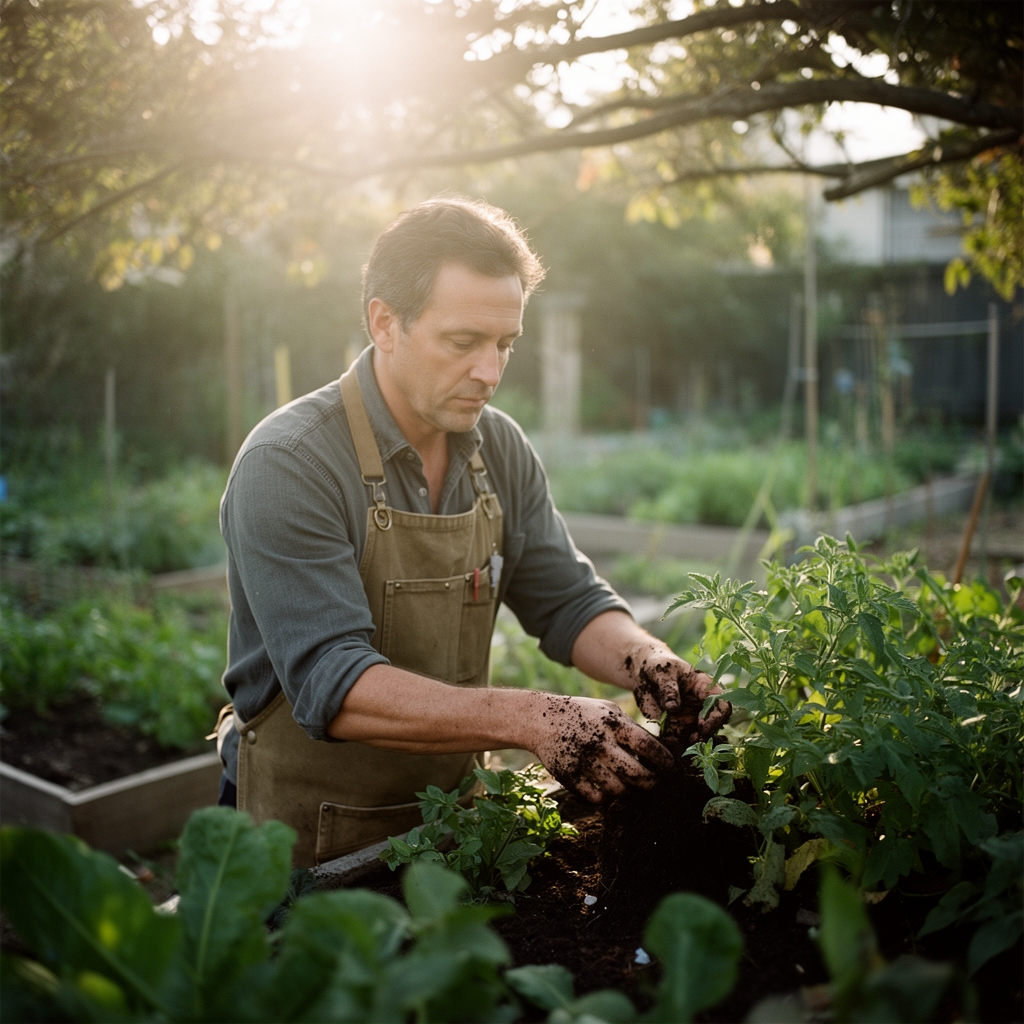
Sowing and Initial Establishment: Install the primary trunk support, a vertical wire or stake, immediately after planting. Select the strongest cane and remove all others at the base. This single leader will form the permanent trunk. Train growth vertically until it reaches the first horizontal beam, typically 6 to 7 feet above grade.
Pro-Tip: Inoculate planting holes with mycorrhizal fungi (Glomus intraradices) at 1 teaspoon per vine. Hyphal networks increase phosphorus uptake by 40 percent, critical for root establishment in the first 90 days.
Cane Selection and Lateral Development: Once the trunk reaches pergola height, pinch the terminal bud to force lateral branching. Select four strong laterals, two extending along each adjacent beam. Secure canes with soft ties at 12-inch intervals. Remove competing shoots to direct carbohydrate reserves into framework development.
Pro-Tip: Maintain lateral canes at horizontal or 5-degree downward angles. Upward-trained wood produces excess vegetative growth due to apical dominance, reducing fruit bud differentiation.
Permanent Cordon Establishment: By the second dormant season, laterals harden into permanent cordons. Prune to remove canes beyond the desired pergola coverage, typically 6 to 8 feet per arm. Shorten fruiting spurs to two buds. These renewal spurs generate next season's productive canes while preventing cordons from extending uncontrollably.
Pro-Tip: Apply dormant oil at 2 percent concentration in late winter to smother overwintering scale insects and grape mealybug eggs lodged in bark crevices.
Troubleshooting Physiological Disorders
Symptom: Interveinal chlorosis on new leaves, bronzing at margins.
Solution: Iron deficiency induced by high pH. Apply chelated iron (FeEDDHA) at 2 ounces per vine as a soil drench. Retest soil pH and incorporate sulfur at 1 pound per 100 square feet if above 7.0.
Symptom: Shriveled berries, uneven ripening clusters.
Solution: Insufficient boron during bloom. Foliar spray with 1 teaspoon borax per gallon at 10 percent bloom and repeat at fruit set. Excess boron causes toxicity; do not exceed 2 applications.
Symptom: Powdery white coating on leaves and fruit.
Solution: Powdery mildew (Erysiphe necator). Apply sulfur dust at 5 pounds per 1000 square feet when disease pressure is moderate. Improve air circulation by thinning interior shoots to 4-inch spacing.
Symptom: Wilting shoots despite adequate soil moisture, dark streaking in wood.
Solution: Eutypa dieback, a fungal canker disease. Prune infected cordons 12 inches below visible damage during dry weather. Sterilize tools with 10 percent bleach between cuts.
Maintenance Protocols
Deliver 1 inch of water weekly from bud break through veraison (berry softening). Reduce irrigation to 0.5 inch per week during ripening to concentrate sugars and prevent berry splitting. Drip emitters placed 18 inches from the trunk prevent crown rot while targeting the active root zone.
Apply 1/4 cup of 10-10-10 fertilizer per vine in early April, broadcast in a 2-foot radius. Excessive nitrogen after July stimulates vegetative growth that fails to harden before frost, increasing winter dieback.
Prune annually in late February. Remove 90 percent of previous season's growth, retaining only two-bud spurs spaced 6 inches apart along cordons. This aggressive reduction maintains fruit quality and prevents pergola overload.
Frequently Asked Questions
How long before a grapevine pergola produces fruit?
Expect the first small crop in year three. Full production begins in year five when cordons mature and root systems establish deep reserves.
Can table grapes and wine grapes share the same pergola?
Yes, but separate by variety maturity. Early-ripening table grapes require different harvest timing and pest management compared to late-season wine cultivars.
What post spacing prevents sagging beams?
Install posts every 8 feet along the pergola run. Closer spacing (6 feet) is necessary in regions with heavy snow load exceeding 40 pounds per square foot.
Should I remove all grape clusters the first year?
Yes. Fruit production diverts carbohydrates from root development, delaying establishment by 12 months and reducing long-term vigor.
How do I winterize a pergola in Zone 5?
Prune after leaf drop. Mound 12 inches of straw around the trunk base. Do not wrap canes; this traps moisture and encourages fungal cankers.