9 Best Functional Mulch Varieties for High-End Design
The scent of damp humus and the sound of a sharp hori-hori knife slicing through compacted clay define the professional landscape. A plant with high turgor pressure stands rigid; its vascular system is fully hydrated and efficient. Achieving this level of physiological health requires more than water. It requires a sophisticated understanding of the rhizosphere. Selecting the best mulch for exterior design is a decision that balances aesthetic precision with soil chemistry. High-end landscapes demand materials that suppress weeds while simultaneously managing the Cation Exchange Capacity (CEC) of the soil. A mulch layer acts as a thermal regulator, preventing the rapid fluctuations in ground temperature that lead to root senescence. When the soil surface is protected, microbial activity increases, facilitating the breakdown of organic matter into plant-available nutrients. This guide treats mulch as a functional engineering component, ensuring that every square inch of the garden contributes to the overall vigor of the botanical collection.
Materials:
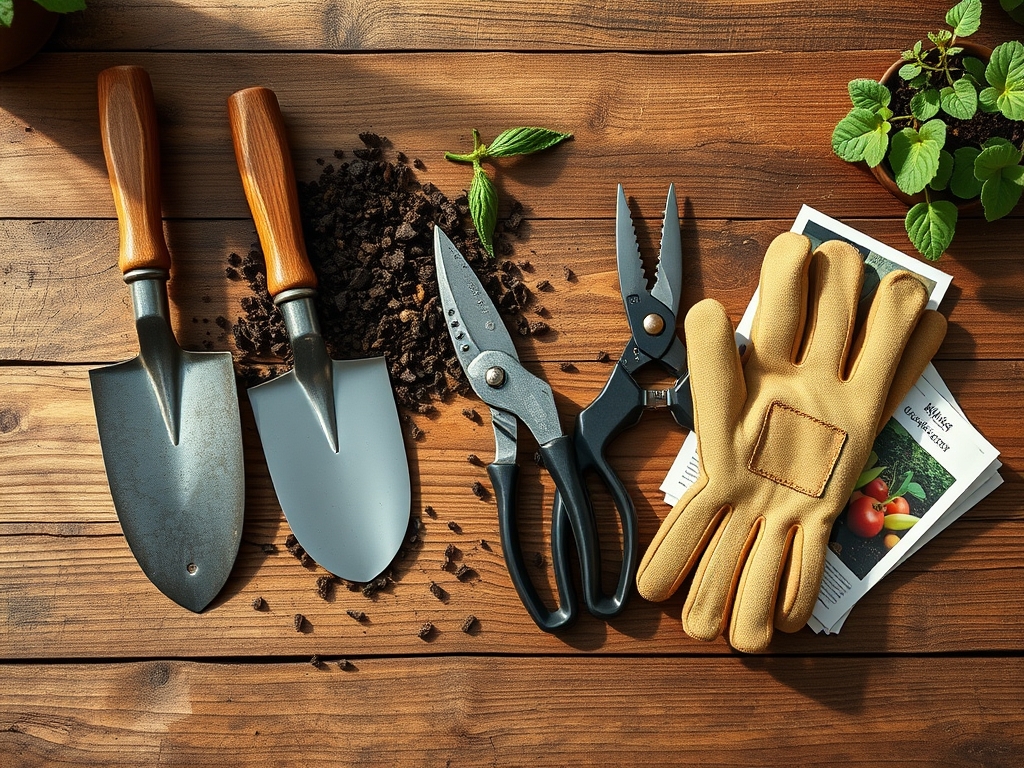
The foundation of any high-performance landscape is a friable loam with a pH between 6.0 and 7.0. When selecting the best mulch for exterior design, the chemical composition must align with the needs of the specific plant taxa.
- Double-Shredded Hardwood Bark: This material offers a neutral pH and a high lignin content. It decomposes slowly, providing a steady release of carbon into the soil.
- Pine Bark Nuggets: Ideal for acid-loving species like Rhododendron or Vaccinium. It maintains a lower pH (4.5 to 5.5) and resists compaction, allowing for superior gas exchange.
- Hemlock Mulch: Naturally rich in tannins, this variety resists fungal pathogens and maintains a deep burgundy hue without synthetic dyes.
- Cedar Shavings: High in thujone, a natural terpene that discourages detrimental insect populations while providing a high-contrast texture.
- Arborist Wood Chips: A diverse mix of sapwood and heartwood. It has a high Carbon-to-Nitrogen (C:N) ratio, often exceeding 200:1, requiring supplemental nitrogen to prevent temporary chlorosis.
- Leaf Mold: Partially decomposed deciduous leaves. This substrate is rich in fulvic and humic acids, boosting the CEC of sandy soils.
- Pine Straw: Long-leaf pine needles create an interlocking mat. This is the preferred choice for slopes to prevent erosion during heavy hydraulic events.
- Buckwheat Hulls: A fine-textured, dark brown material that disappears into the shadows of the garden. It is exceptionally dense and suppresses weed germination through light exclusion.
- Crushed Hazelnut Shells: A premium, sustainable byproduct. These shells provide a sharp physical barrier that deters soft-bodied gastropods and adds a distinct architectural line to paths.
Timing:
Application timing is dictated by the USDA Hardiness Zones and the local frost-free window. In Zones 5 through 7, the primary application window opens in late spring once the soil temperature consistently reaches 55 degrees Fahrenheit. Applying mulch too early traps winter cold in the ground, delaying the "Biological Clock" of the root system. This delay can stunt the transition from the vegetative stage to the reproductive stage, as the plant waits for thermal cues to initiate hormone production.
In warmer Zones 8 through 10, mulch should be replenished in autumn to insulate the rhizosphere against desiccating winter winds. Monitoring the photoperiod is essential; as days shorten, plants begin the process of senescence, moving nutrients from the foliage into the root mass. A well-timed mulch application supports this energy transfer by maintaining a stable subterranean environment.
Phases:

Sowing
When direct-sowing seeds, the mulch layer must be thin or non-existent over the planting row. A heavy mulch layer will prevent small seeds from reaching the light required for germination. Once seedlings emerge and develop their first set of true leaves, a fine-textured mulch like buckwheat hulls can be applied.
Pro-Tip: Avoid placing mulch directly against the stems of young seedlings to prevent "damping off" caused by Rhizoctonia fungi. This maintains airflow around the crown, preventing moisture-induced cellular collapse.
Transplanting
During transplantation, the goal is to minimize transplant shock by ensuring immediate mycorrhizal symbiosis. Dig a hole twice the width of the root ball. After backfilling with native soil, apply a 2 to 3-inch layer of organic mulch starting 4 inches from the trunk.
Pro-Tip: Leave a "doughnut hole" around the base of the plant. This prevents the suppression of auxins at the root flare, which are critical for signaling the plant to expand its root architecture into the surrounding soil.
Establishing
The establishment phase lasts for the first two growing seasons. During this time, the mulch must be maintained at a consistent depth to regulate moisture. Use a soil moisture meter to ensure the soil remains at 60% to 80% field capacity.
Pro-Tip: As mulch decomposes, it fosters a community of beneficial fungi. These hyphae extend the reach of the plant's root system, increasing the surface area for water and phosphorus absorption through a process known as mutualism.
The Clinic:
Physiological disorders often stem from improper mulch management or soil imbalances.
- Symptom: Nitrogen Chlorosis (Yellowing of older leaves).
- Solution: This occurs when high-carbon mulches like fresh wood chips "lock up" nitrogen.
- Fix-It: Apply a liquid fertilizer with an NPK ratio of 10-0-0 or blood meal to the soil surface before mulching.
- Symptom: Iron Sequestration (Interveinal chlorosis in new growth).
- Solution: Often caused by high soil pH.
- Fix-It: Use pine bark mulch and supplement with chelated iron to lower the pH to the 5.5 to 6.5 range.
- Symptom: Root Rot (Wilting despite wet soil).
- Solution: Mulch is too thick, preventing evaporation and oxygen exchange.
- Fix-It: Reduce mulch depth to no more than 3 inches and use a bypass pruner to remove any necrotic, blackened roots.
Maintenance:
Precision maintenance is the hallmark of a high-end landscape. Irrigation should be targeted; provide 1.5 inches of water per week at the drip line, rather than at the trunk. Use a hori-hori knife to check the moisture level beneath the mulch layer every three days during peak summer heat. If the mulch becomes "hydrophobic" or develops a crust, use a rake to break the surface tension, allowing water to penetrate the soil profile. Annually, check the depth of the mulch. Organic materials decompose at a rate of approximately 1 inch per year. Replenish the layer to maintain the standard 3-inch profile.
The Yield:
For landscapes featuring ornamental flowers or woody stems, harvesting must be timed with peak cellular turgor. Harvest in the early morning when temperatures are lowest. Use sharp bypass pruners to make clean, 45-degree cuts, which maximize the surface area for water uptake. Immediately submerge the stems in 40-degree Fahrenheit water. This rapid cooling slows the metabolic rate and delays senescence, ensuring the plant material remains crisp and structurally sound for indoor display.
FAQ:
What is the best mulch for exterior design in modern landscapes?
Fine-textured organic mulches like buckwheat hulls or double-shredded hardwood provide a clean, uniform appearance. These materials offer a dark, matte finish that emphasizes the structural form and foliage color of specimen plants without distracting from the architectural design.
How deep should I apply mulch for maximum benefit?
Maintain a depth of 2 to 3 inches. This thickness is sufficient to suppress weed germination and retain soil moisture without inhibiting gas exchange or causing the soil to remain oversaturated, which can lead to root pathogens.
Does mulch change the soil pH over time?
Yes. Pine-based mulches tend to slightly acidify the soil as they decompose, while hardwood mulches are generally neutral. Monitor your soil with a pH meter annually to ensure the levels remain within the optimal range for your specific plants.
Can mulch cause nitrogen deficiency in my plants?
Mulches with a high carbon-to-nitrogen ratio, such as fresh wood chips, can temporarily deplete soil nitrogen. Microbes use available nitrogen to break down the carbon. Supplement with a high-nitrogen fertilizer to prevent leaf yellowing during the decomposition process.