7 Steps to Prepare a Dedicated Indoor Palm Shelf
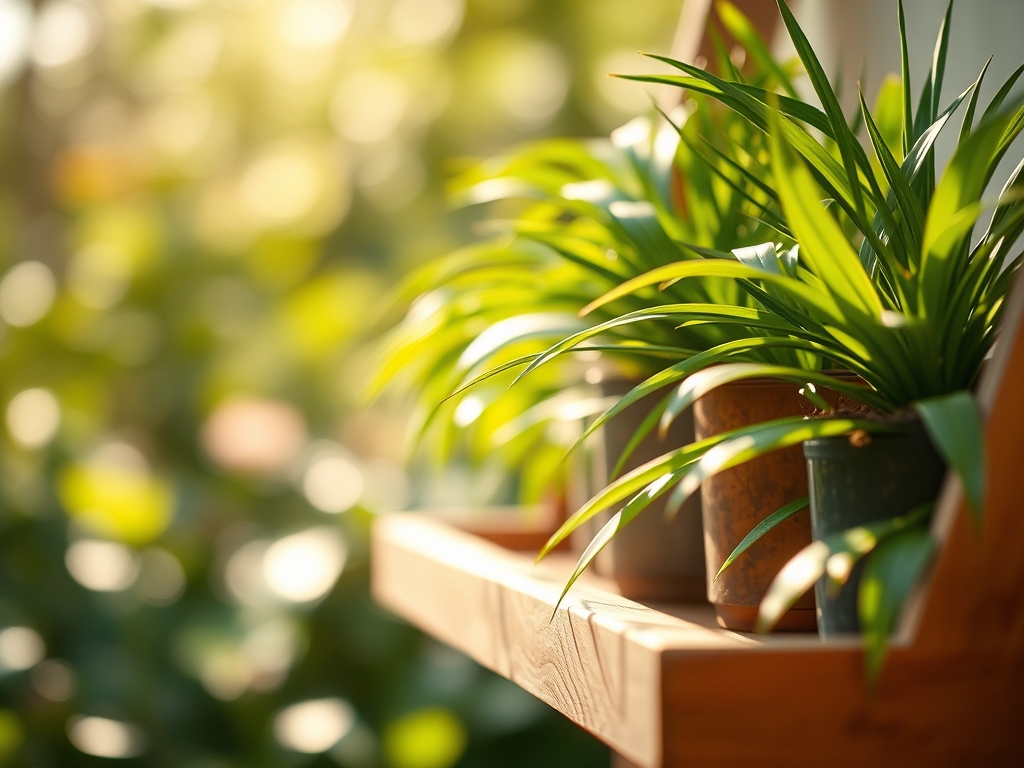
The smell of damp peat and the sharp, metallic scent of perlite signal the start of a serious indoor cultivation project. Success depends on the turgor pressure within the fronds; a palm with high cellular water pressure stands rigid and reflects light with a deep, waxy sheen. Learning how to prepare a plant shelf for palms requires more than aesthetic placement. It demands an engineering mindset that accounts for humidity gradients, light saturation, and the specific physiological requirements of the Arecaceae family.
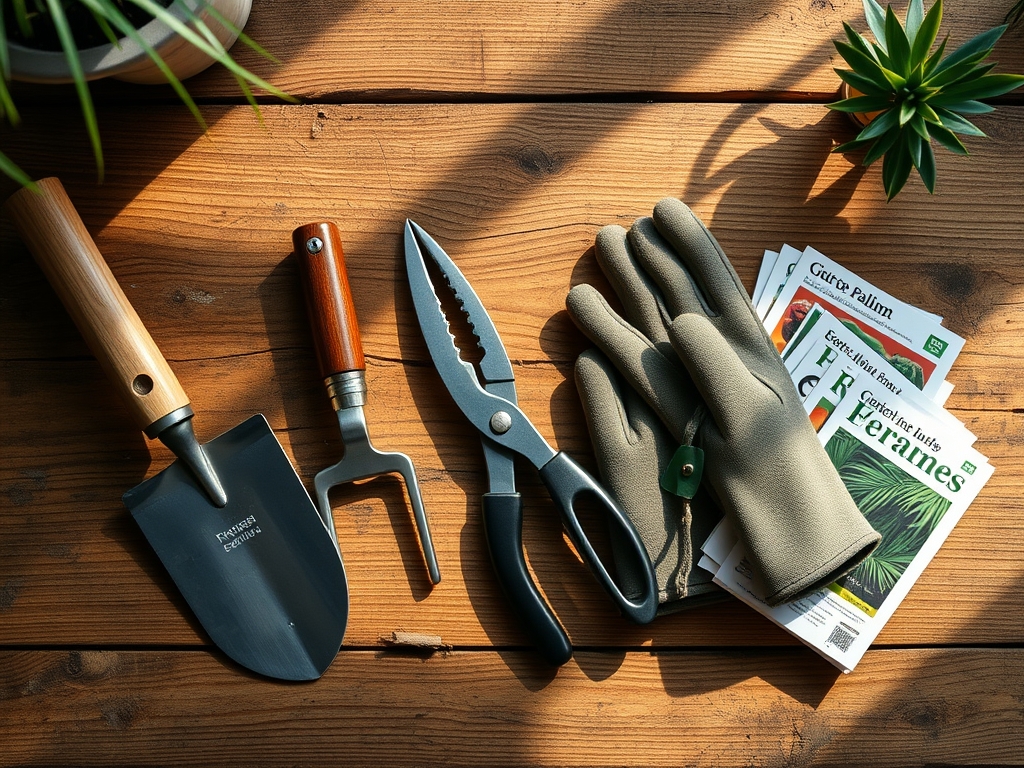
Materials:
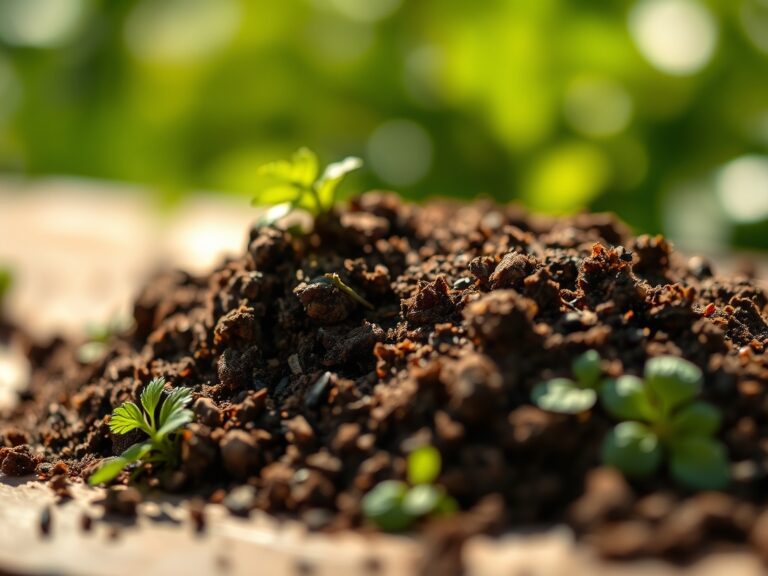
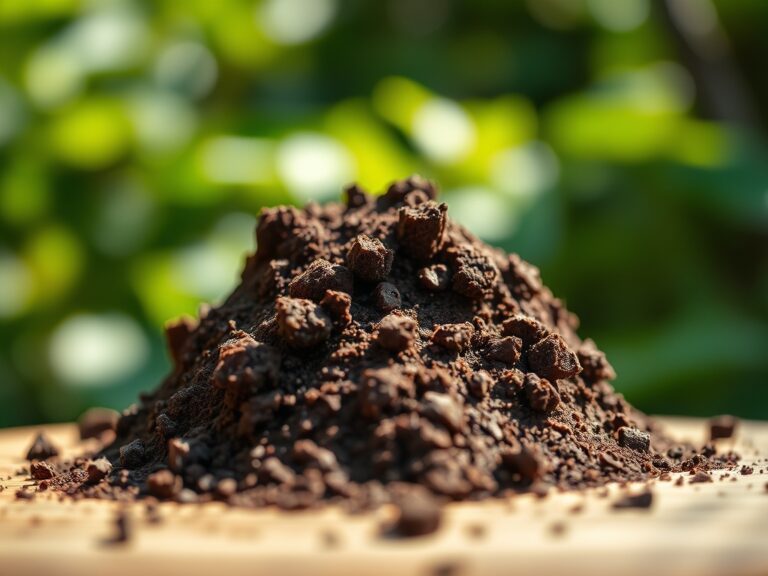
Substrate selection is the foundation of palm health. You must utilize a **friable loam** that maintains a **pH between 6.0 and 6.5**. Palms are sensitive to salt accumulation and require a medium with a high **Cation Exchange Capacity (CEC)** to retain essential micronutrients like manganese and magnesium.
The ideal potting mix consists of two parts peat moss, one part pine bark, and one part coarse perlite. For fertilization, select a slow release formula with an NPK ratio of 12-4-12 or 8-2-12. The high potassium (K) content is critical; palms are heavy potassium feeders and will suffer from distal necrosis if levels drop. Ensure the shelf itself is rated for a minimum of 50 pounds per square foot to account for the weight of saturated terracotta or glazed ceramic vessels.
Timing:
While indoor environments are controlled, palms remain tethered to the Biological Clock of their native origins. Most indoor palms originate from tropical regions within Hardiness Zones 10 through 12. Even behind glass, these plants sense the photoperiod shifts of the external environment.
The transition from the vegetative state to a slower metabolic rate typically occurs when daylight drops below 11 hours. Schedule your shelf preparation and initial potting for late winter or early spring, specifically two to three weeks before the local last frost date. This timing aligns with the plant's natural surge in auxin production, allowing for rapid root colonization of the new substrate before the high heat of summer increases transpiration demands.
Phases:
Sowing and Selection
If starting from seed, scarify the seed coat and maintain a constant bottom heat of 85 degrees Fahrenheit. For most, the process begins with selecting nursery stock. Inspect the rhizosphere by gently lifting the plant from its container. Healthy roots should be firm and white or light tan. Avoid any specimens showing signs of senescence on the newest spear leaf.
Pro-Tip: Ensure the shelf is positioned to avoid direct contact with HVAC vents. Sudden fluctuations in temperature trigger abscisic acid production, leading to premature leaf drop as the plant attempts to conserve moisture.
Transplanting
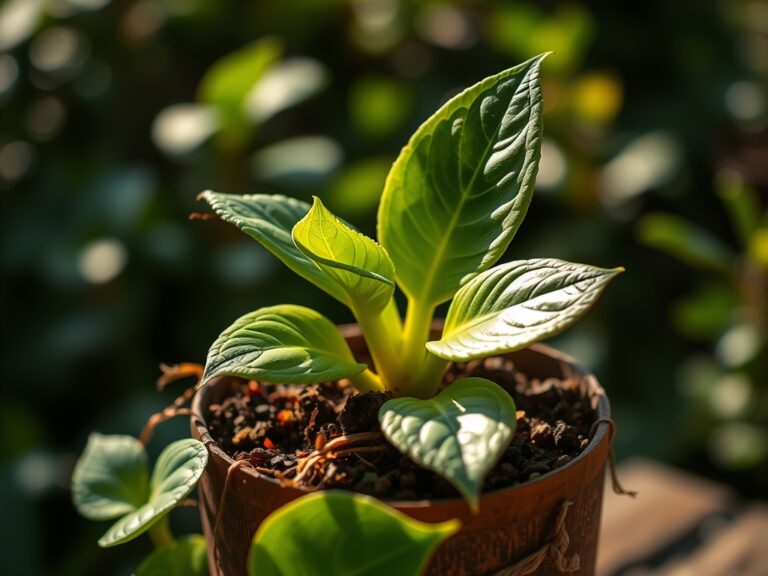
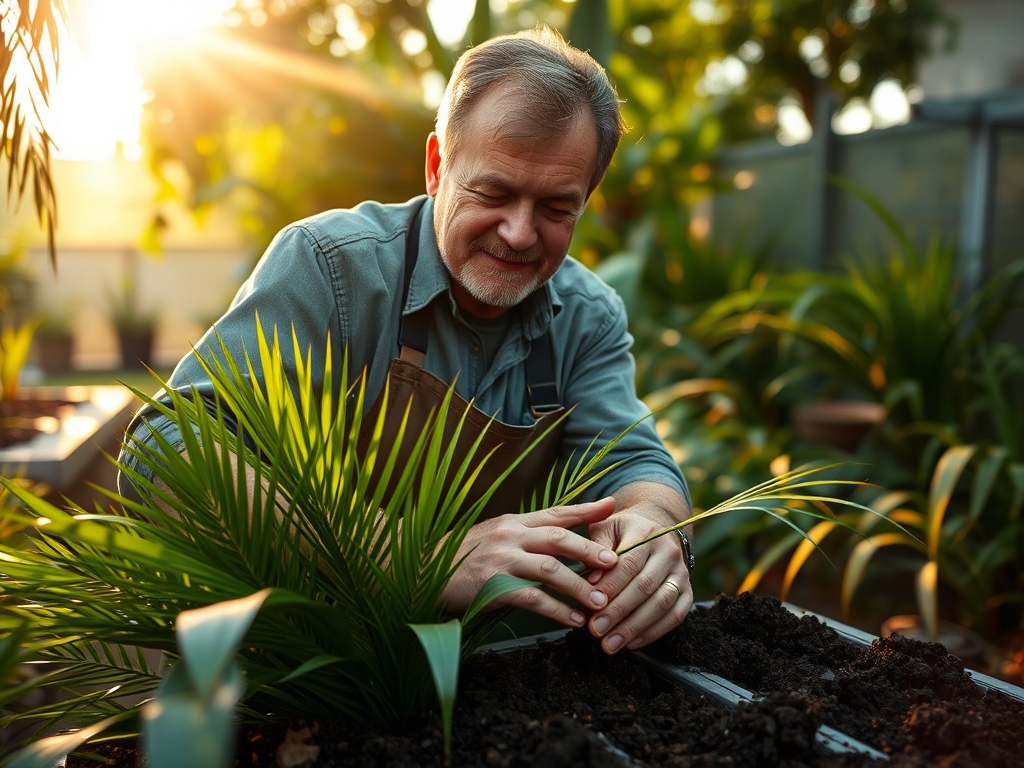
When moving a palm to the shelf, do not bury the "crown" or the point where the trunk meets the roots. Increasing the soil depth by even one inch can lead to crown rot. Use a hori-hori knife to tease out any circling roots, ensuring they can grow outward into the new friable loam.
Pro-Tip: Incorporate mycorrhizal fungi inoculants into the transplant hole. This creates a mycorrhizal symbiosis that effectively increases the root surface area, enhancing the uptake of phosphorus and water in a confined pot environment.
Establishing
Once placed on the shelf, the palm must adapt to the light direction. Palms exhibit phototropism, where growth hormones concentrate on the shaded side of the stem, causing the plant to lean toward the light source. Rotate the pots 90 degrees every week to maintain vertical structural integrity.
Pro-Tip: Maintain a consistent vapor pressure deficit (VPD) by placing pebble trays beneath the pots. High humidity prevents the stomata from closing, which allows for continuous carbon dioxide uptake and steady growth.
The Clinic:
Physiological disorders in palms often mimic infectious diseases. Accurate diagnosis requires looking at the age of the affected foliage.
- Symptom: Yellowing of the oldest fronds while new growth remains green.
Solution: This is Nitrogen chlorosis. Apply a water soluble fertilizer with a high Nitrogen (N) percentage to restore chlorophyll production. - Symptom: Bronze or orange spotting on older leaves, followed by tip burn.
Solution: Potassium deficiency. Palms translocate potassium from old leaves to new ones. Increase K levels in the soil immediately. - Symptom: "Frizzle top" or distorted, small new leaves.
Solution: Manganese deficiency. This is common when soil pH rises above 7.0. Lower the pH using elemental sulfur or apply a chelated manganese drench. - Symptom: Horizontal scarring or "check marks" on leaflets.
Solution: Physical stress or erratic watering. Ensure the soil moisture meter consistently reads in the "moist" range without reaching "saturated."
Maintenance:
Precision is the hallmark of a master horticulturist. Use a soil moisture meter daily until you understand the evaporation rate of your shelf environment. Most indoor palms require the top two inches of soil to dry out before re-watering. When irrigating, apply water until it exits the drainage holes to flush out accumulated fertilizer salts.
Pruning should be minimal. Use bypass pruners to remove only completely brown fronds. Do not remove leaves that are yellow or partially green; the plant is still actively mobilizing mobile nutrients from those tissues back into the main stem. Clean the fronds monthly with a damp cloth to remove dust. Dust buildup reduces the photosynthetic photon flux density (PPFD) reaching the chloroplasts, effectively starving the plant of light energy.
The Yield:
While most indoor palms are grown for foliage, species like the Chamaedorea elegans may produce inflorescences. If seeds are the goal, you must provide supplemental airflow using a small fan to mimic natural wind for pollination. Once the fruit reaches full color and begins to soften, harvest by cutting the entire stalk with bypass pruners. To maintain "day-one" freshness for seed viability, remove the fleshy pericarp immediately and store the seeds in a damp medium at 70 degrees Fahrenheit.
FAQ:
How much light do indoor palms need?
Most palms require 1,000 to 1,500 foot-candles of light. This equates to bright, indirect sunlight. Use a light meter to ensure the shelf receives at least eight hours of this intensity daily to maintain metabolic functions.
Why are the tips of my palm leaves turning brown?
This is usually caused by low humidity or high fluoride levels in tap water. Use filtered water and maintain humidity above 50 percent. Brown tips can also indicate salt burn from over-fertilization in the rhizosphere.
How often should I repot my palm?
Palms have sensitive root systems and prefer being slightly root-bound. Repot every two to three years or when roots begin to push the plant up out of the pot. Always use a pot only two inches wider than the current one.
What is the best way to clean palm leaves?
Wipe leaves with a soft cloth dampened with distilled water. Avoid "leaf shine" products, as the oils can clog the stomata, interfering with gas exchange and transpiration. Clean leaves ensure maximum light absorption for photosynthesis.
Can I use garden soil for my palm shelf?
No. Garden soil is too dense and lacks the necessary porosity. It often contains pathogens and weed seeds. Stick to a professional soilless mix containing peat, pine bark, and perlite to ensure proper drainage and aeration.