7 Natural Steps to Treat Rust with Sulfur Spray and Airflow
The smell of damp earth and decaying organic matter often signals the onset of fungal pathogens like Pucciniales. Healthy leaf tissue should maintain high turgor pressure; it should feel firm and resilient to the touch. When orange, powdery pustules erupt on the abaxial leaf surface, the photosynthetic capacity of the plant diminishes rapidly. Implementing the correct steps for treating rust with sulfur spray ensures the fungal spores do not compromise the vascular system. Success requires immediate intervention to stop the cycle of urediniospores before they colonize the entire canopy.
Materials:

Effective rust management begins with the substrate. The ideal soil is a **friable loam** with a high Cation Exchange Capacity (CEC) above **15 meq/100g**. This ensures the plant can access the micronutrients necessary for immune response. Maintain a soil pH between **6.2 and 6.8** to optimize nutrient bioavailability.
For nutritional support during a fungal outbreak, utilize an NPK ratio of 5-10-10. High nitrogen levels (the first digit) can lead to succulent, soft growth that is more susceptible to fungal penetration. You will also need wettable sulfur powder (90 percent active ingredient), a pressurized sprayer with a fine-mist nozzle, and high-quality bypass pruners for removing infected biomass.
Timing:
Timing is dictated by the USDA Hardiness Zones and local humidity levels. In Zones 5 through 9, the window for rust infection peaks when ambient temperatures sit between 60 and 75 degrees Fahrenheit accompanied by high leaf wetness.
The "Biological Clock" of the plant is critical. During the transition from the vegetative stage to the reproductive stage, plants often divert energy from secondary metabolites (defensive chemicals) to flower and fruit production. This shift increases vulnerability. Apply sulfur spray in the early morning before the sun reaches its zenith to avoid phytotoxicity; sulfur can burn foliage if applied when temperatures exceed 85 degrees Fahrenheit.
Phases:

Sowing and Site Selection
Select a site with maximum solar exposure to ensure rapid evaporation of morning dew. Space plants according to their mature width to facilitate passive airflow. For most perennials, this means a minimum of 24 inches between stems.
Pro-Tip: Mycorrhizal symbiosis is essential during sowing. Inoculating the rhizosphere with beneficial fungi increases the plant's surface area for water uptake, maintaining the turgor pressure needed to physically resist fungal entry.
Transplanting and Spacing
When moving starts into the field, ensure the root ball is level with the soil surface. Use a hori-hori knife to slice through any circling roots. Increasing the distance between plants reduces the "canopy humidity" that allows rust spores to germinate.
Pro-Tip: Proper spacing prevents auxin suppression caused by overcrowding. When plants compete for light, they stretch (etiolation), creating thin cell walls that are easily punctured by fungal hyphae.
Establishing Airflow and Sulfur Application
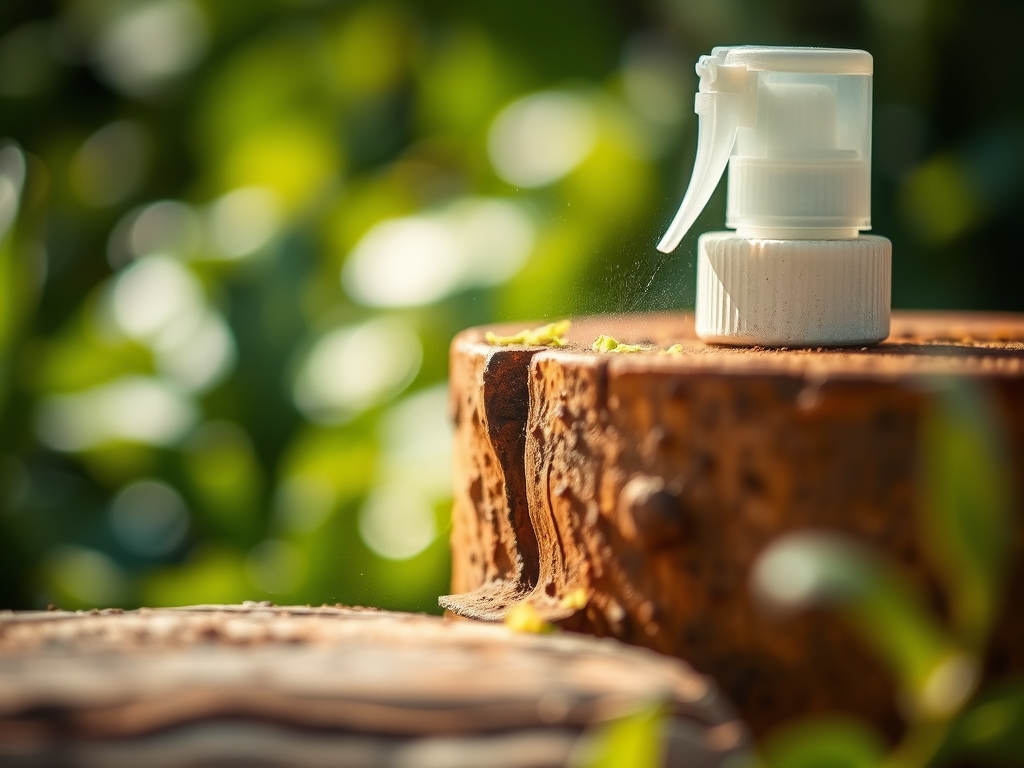
Prune the lower third of the plant's foliage to create a "breeze way." This reduces the humidity in the microclimate around the main stem. Mix 2 to 4 tablespoons of sulfur per gallon of water. Coat both the top and bottom of every leaf until runoff occurs.
Pro-Tip: Photoperiod management influences plant strength. Ensure the plant receives its required light hours to maintain robust carbohydrate reserves, which fuel the production of lignin in the cell walls.
The Clinic:
Observe the leaf health closely. If the following physiological disorders appear, adjust your protocol immediately.
Symptom: Yellowing of older leaves while veins remain green.
Solution: This is likely Magnesium deficiency. Apply a foliar spray of Epsom salts (1 tablespoon per gallon) to restore chlorophyll production.
Symptom: Stunted growth and purple tinting on the underside of leaves.
Solution: Phosphorus deficiency. Check soil pH; if it is below 5.5, Phosphorus becomes "locked" and unavailable to the plant.
Symptom: Tip burn on young leaves.
Solution: Calcium deficiency or inconsistent watering. Use a soil moisture meter to ensure the root zone stays at a consistent 40 percent to 60 percent moisture capacity.
Fix-It for Nitrogen Chlorosis: If the entire leaf turns pale green or yellow, the plant lacks Nitrogen. Side-dress with blood meal or a liquid fish emulsion to provide an immediate boost to the rhizosphere.
Maintenance:
Consistency is the hallmark of a professional horticulturist. Provide 1.5 inches of water per week delivered directly to the drip line. Never use overhead irrigation; wetting the foliage is the primary cause of rust proliferation.
Use bypass pruners to remove any leaf that shows more than 10 percent rust coverage. Disinfect your tools with 70 percent isopropyl alcohol between every single cut to prevent cross-contamination. Monitor the soil weekly with a moisture probe to ensure the drainage remains optimal in your friable loam. If the soil crusts over, use a hand rake to break the surface tension and improve oxygen exchange for the roots.
The Yield:
When harvesting flowers or foliage, timing is paramount for post-harvest longevity. Cut during the "cool of the day," typically between 5:00 AM and 7:00 AM, when the plant is at maximum turgidity. Use a sharp blade to make a clean, diagonal cut, which increases the surface area for water uptake.
Immediately plunge the stems into clean, 60-degree Fahrenheit water. For "day-one" freshness, store the harvested material in a humidity-controlled environment at 34 to 38 degrees Fahrenheit. This slows the process of senescence, the biological aging of the plant tissue, by reducing the respiration rate.
FAQ:
How often should I apply sulfur spray for rust?
Apply every 7 to 10 days during periods of high humidity or frequent rainfall. Reapply immediately if more than 0.5 inches of rain falls within 24 hours of the initial application to ensure continuous protection of the leaf cuticle.
Can sulfur spray be used on all plants?
No. Avoid using sulfur on "sulfur-shy" plants like certain grape varieties, melons, or cucumbers. Always perform a "spot test" on a single leaf and wait 48 hours to check for signs of phytotoxicity or chemical burning.
What is the best way to increase airflow?
Utilize strategic pruning and wide plant spacing. Remove "suckers" and internal crossing branches to allow wind to penetrate the center of the canopy. This lowers the relative humidity and prevents the stagnant air that fungal spores require to settle.
Will sulfur kill existing rust pustules?
Sulfur acts primarily as a protectant and a curative for early-stage infections. It inhibits spore germination. For heavily infected leaves with mature pustules, mechanical removal via pruning is more effective than chemical treatment alone to reduce the overall spore load.