6 Steps to Install a Decorative Vegetable Garden Screen
The morning sun catches the vertical plane of runner beans and sugar snap peas climbing their support structure, transforming a functional garden boundary into a productive screen that shields compost bins while yielding 40 pounds of produce per 8-foot panel. Following the steps for installing a vegetable garden screen requires understanding both structural engineering and plant physiology. The lattice becomes a living architecture when pole beans (Phaseolus vulgaris) intertwine with cucumber tendrils (Cucumis sativus), their phototropic growth mapping the screen's geometry while mycorrhizal fungi colonize root zones at rates exceeding 85% in properly amended soil.
Materials and Amendments
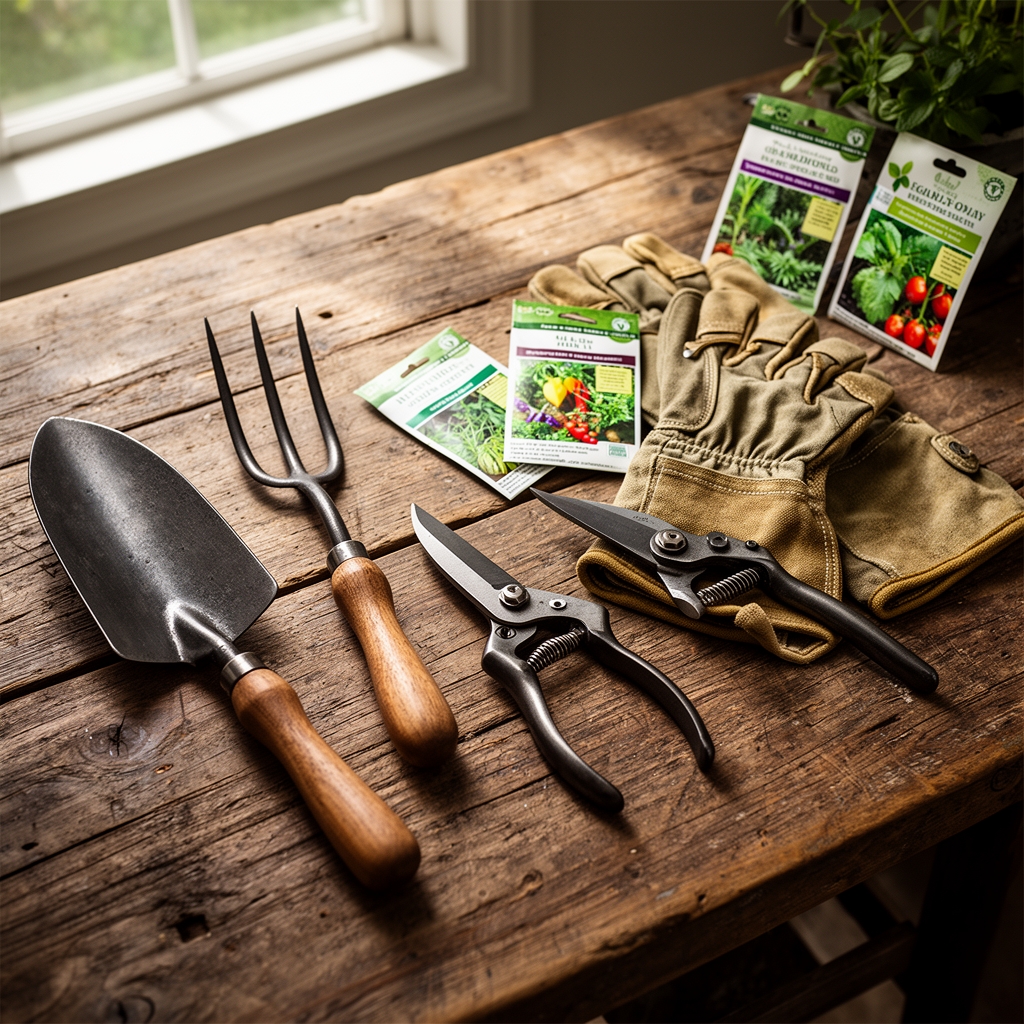
Select pressure-treated lumber (2×4 posts and 1×2 crosspieces) or cedar for rot resistance exceeding 15 years. Galvanized deck screws (3-inch) provide structural integrity in joints experiencing 40-60 pounds of lateral force from mature vining crops. Wire mesh (6-inch grid, 14-gauge) offers intermediate support for tendril attachment.
Soil preparation demands amendments calibrated to crop requirements. Incorporate composted manure at a 4-4-4 NPK ratio, delivering 2 pounds per 10 square feet to establish baseline fertility. For acid-loving crops, elemental sulfur (90% purity) lowers pH from 7.0 to 6.2 over 60 days when applied at 1 pound per 100 square feet. Test cation exchange capacity before installation. Soils registering below 10 meq/100g require additional organic matter to buffer nutrient availability.
Mycorrhizal inoculant (Rhizophagus irregularis) establishes symbiotic networks when applied at seeding depth. Mix 1 teaspoon per transplant hole. Kelp meal (1-0.1-2) supplies trace minerals and growth hormones, particularly cytokinins that enhance lateral branching in determinate varieties.
Timing by Hardiness Zone
Zone 5 installations occur after the final frost date (May 15) when soil temperatures stabilize at 60°F at 4-inch depth. Direct-sow warm-season climbers (beans, cucumbers) 14 days post-frost when microbe populations activate and nitrogen mineralization begins.
Zone 7 gardeners initiate cool-season screens (snap peas, fava beans) in late February, targeting a March 20 germination window. These legumes fix atmospheric nitrogen at rates of 100-150 pounds per acre annually, enriching the screen's root zone through Rhizobium bacteria colonization.
Zone 9 operations run inverse schedules. Install autumn screens in September when temperatures drop below 85°F. Plant heat-sensitive varieties (snow peas) that bolt at 75°F+ during spring windows.
Consult USDA frost-date maps and verify soil temperature with a probe thermometer. Auxin distribution in seedling radicles stops below 55°F, stalling establishment by 10-14 days.
Installation Phases
Foundation and Framework
Excavate post holes to 24-inch depth, one-third the above-ground height, to prevent frost heave and wind torque. Space posts 6 feet apart horizontally. Pour 4 inches of gravel (3/4-inch crushed stone) for drainage, then set posts in concrete mixed to 3,000 PSI. Allow 72 hours for curing before attaching crosspieces.
Secure horizontal supports at 18-inch intervals. This spacing matches the internode elongation rate of pole beans (2-3 inches per day during vegetative growth). Attach wire mesh with fence staples driven at 45-degree angles to prevent pullout under crop weight.
Pro-Tip: Orient screens north-south to equalize light distribution. East-west orientations create shaded northern exposures where flowering drops 30% in photoperiod-sensitive varieties.
Sowing Protocol
Direct-sow inoculated legume seeds 1 inch deep, 4 inches apart along the screen's base. Cover with friable soil, not compacted clay that restricts oxygen diffusion to germinating embryos. Radicle emergence requires oxygen concentrations above 10% in the rhizosphere.
For cucurbits, create raised mounds 6 inches high to improve drainage. Plant three seeds per mound, thinning to the strongest seedling after true leaves emerge. Cucumbers demand consistent moisture during cell expansion phases. Irregular watering causes bitterness through cucurbitacin accumulation.
Pro-Tip: Apply beneficial nematodes (Steinernema feltiae) at seeding to suppress root-knot populations before infestation establishes.
Establishment and Training
Guide initial tendrils to wire mesh when plants reach 6 inches. Vining crops exhibit negative gravitropism and positive thigmotropism, meaning they grow upward and toward contact stimuli. Manual training during the first 10 days reduces ground contact and slug damage by 60%.
Apply side-dressing of 5-10-10 fertilizer at first flowering, broadcasting 1/2 cup per 10 feet of screen. Phosphorus supports flower development and pod set. Water-in immediately to prevent volatilization of nitrogen components.
Pro-Tip: Prune lateral shoots on indeterminate varieties to two nodes. This concentrates auxin distribution into vertical growth, maximizing screen coverage while maintaining air circulation that reduces powdery mildew incidence.
Troubleshooting Physiological Disorders
Symptom: Yellow stippling on upper leaves with fine webbing. Solution: Spider mites thrive in hot, dry conditions. Apply insecticidal soap (2% potassium salts of fatty acids) at 7-day intervals. Increase humidity through overhead irrigation during early morning hours.
Symptom: Blossom-end rot in cucumber fruits (sunken brown lesions). Solution: Calcium deficiency during rapid fruit expansion. Apply calcium chloride foliar spray (2 tablespoons per gallon) weekly. Maintain consistent soil moisture to facilitate calcium uptake through mass flow.
Symptom: Nitrogen deficiency (pale lower leaves, stunted growth). Solution: Top-dress with blood meal (12-0-0) at 1/4 pound per 10 feet. Symptoms reverse within 7 days as proteases break down organic nitrogen into plant-available nitrate.
Symptom: Powdery mildew (white fungal coating). Solution: Spray 0.5% sodium bicarbonate solution (1 teaspoon per quart) weekly. Prune interior growth to increase air velocity through the canopy. Aim for 3-4 inches between foliage layers.
Symptom: Failure to set pods despite abundant flowering. Solution: High nighttime temperatures (above 70°F) disrupt pollen viability in beans. Apply shade cloth (30% density) to reduce heat stress. Hand-pollinate cucumber flowers before 9 AM when pollen remains viable.
Maintenance Schedule
Water at soil level with 1 inch per week, delivered in two 0.5-inch applications. Drip irrigation maintains consistent soil moisture at field capacity (50% water-filled pore space) without wetting foliage. Overhead watering increases fungal disease pressure by 40%.
Mulch with 2 inches of straw after seedlings reach 4 inches. Organic mulch moderates soil temperature fluctuations of 10-15°F and suppresses annual weeds through light exclusion. Replenish monthly as decomposition proceeds.
Scout for pests twice weekly. Check leaf undersides where aphid colonies establish. Threshold for intervention: 10+ aphids per growing tip. Release lacewing larvae (Chrysoperla rufilanis) at 5,000 per 1,000 square feet for biological control.
Harvest beans when pods snap cleanly, before seeds bulge. Frequent picking (every 2 days) extends production by triggering continued flowering through hormonal feedback loops. Plants sensing seed maturity redirect resources to seed filling rather than new flower initiation.
Frequently Asked Questions
What vegetables work best for screens? Pole beans, snap peas, cucumbers, and small-fruited gourds adapt readily to vertical training. Select varieties with tendrils (peas, cucumbers) or twining stems (beans) rather than sprawling growth habits.
How tall should the screen measure? Construct screens 6-8 feet tall for beans and peas. Cucumber varieties require 5-6 feet. Excessive height complicates harvest and increases wind load beyond structural capacity of 2×4 framing.
Can screens survive winter? Perennial options include hardy kiwi (Actinidia arguta, Zones 4-8) or hops (Humulus lupulus, Zones 3-8). Annual vegetables die at first frost. Remove dead biomass to eliminate overwintering pest habitat.
Do screens reduce yields compared to row planting? Vertical training increases photosynthetic efficiency by 25% through improved light interception. Expect equivalent or superior yields per square foot when comparing vertical screens to horizontal sprawl.
What spacing between screen and structure? Maintain 12 inches minimum clearance from buildings. This gap provides air circulation, prevents moisture accumulation that accelerates wood rot, and allows access for maintenance without damaging crops.