8 Best Durable Bricks for Exterior Design Paths
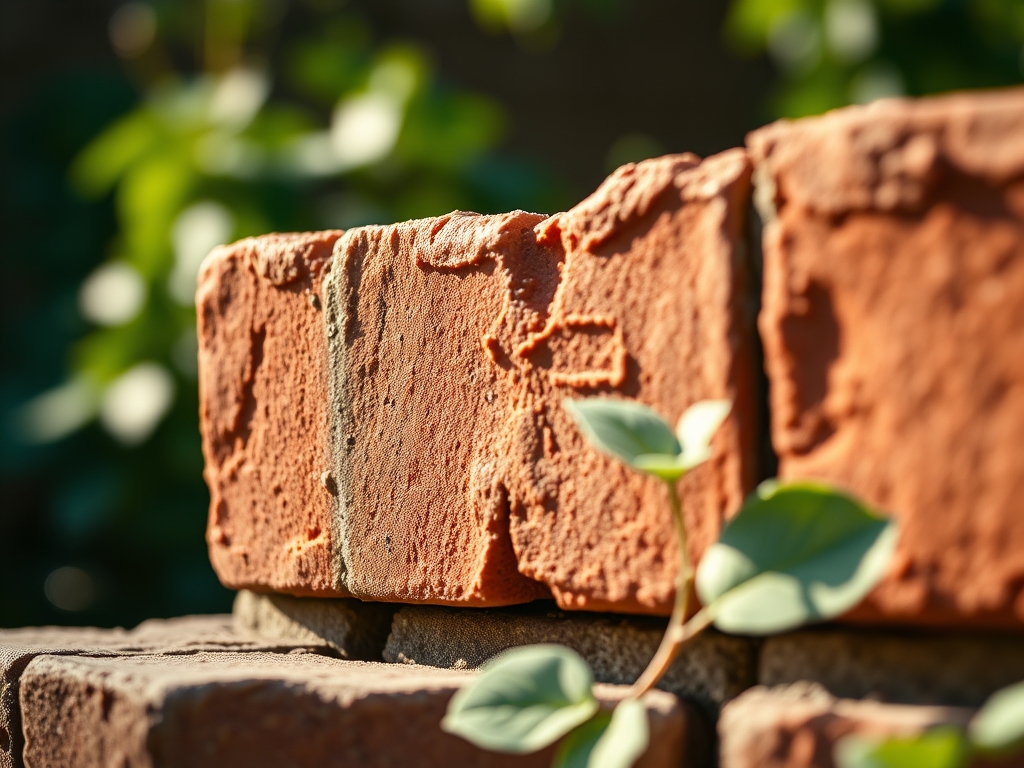
Damp earth releases a sharp, metallic scent of geosmin as the spade bites into the rhizosphere. The turgor pressure of surrounding vegetation remains high; stems are rigid and leaves are fully hydrated. Selecting the best bricks for exterior design requires more than an aesthetic eye; it demands an understanding of how fired clay or concrete units interact with the soil hydrology and local climate. A durable path must withstand the freeze-thaw cycles that threaten to heave the substrate and crack inferior materials. High-density pavers with low absorption rates ensure that moisture does not penetrate the brick core, preventing internal expansion. This guide focuses on the structural integrity and mineral composition of the eight most resilient options for permanent garden infrastructure.
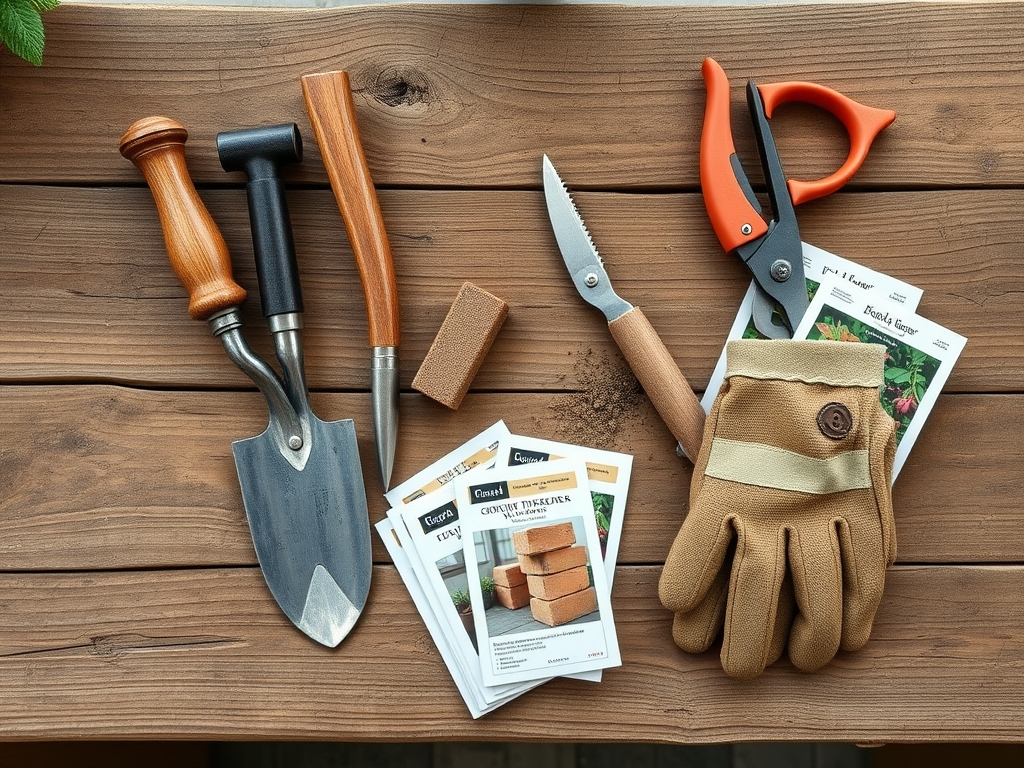
Materials:
The foundation of any brick path is the soil beneath it. For optimal stability, the substrate should be a **friable loam** with a high sand content to facilitate drainage. If the soil has a high clay content, the Cation Exchange Capacity (CEC) will be elevated, leading to significant water retention and potential shifting. Maintain a **soil pH between 6.0 and 7.0** in the surrounding beds to prevent the leaching of alkaline salts from the brick mortar into the root zones of acid-loving plants.
When planting along the edges of your brickwork, utilize a balanced NPK ratio of 10-10-10 for general establishment. If you are installing groundcovers between pavers, shift to a 5-10-15 ratio to prioritize root development over excessive vegetative growth. This prevents the "tufting" effect where foliage overruns the masonry. Ensure the base layer consists of 4 inches of compacted 21A crushed stone topped with 1 inch of coarse bedding sand.
Timing:
Hardiness Zones 3 through 9 dictate the installation window for exterior masonry. Construction should ideally occur during the dormant season or early spring, at least six weeks before the first hard frost. This allows the ground to settle before the "Biological Clock" of the surrounding flora shifts from senescence to active spring growth.
In colder zones, the transition from the vegetative stage to the reproductive stage in nearby perennials is often triggered by the photoperiod. Installing paths during this transition minimizes the risk of soil compaction near active root systems. Avoid installation when the ground is saturated; working wet soil collapses the macro-pores, destroying the soil structure and reducing oxygen availability to the rhizosphere.
Phases:

Sowing the Foundation
Excavate the path to a depth of 8 inches. This depth accounts for the sub-base, sand setting bed, and the brick thickness. Use a plate compactor to ensure the subgrade is firm. If the soil is heavy clay, install a geotextile fabric to prevent the stone base from sinking into the native earth.
Pro-Tip: Proper compaction prevents air pockets that lead to uneven settling. This is vital because uneven pavers can cause "puddling," which leads to localized anaerobic conditions in the soil, suffocating beneficial mycorrhizal fungi that support plant health.
Transplanting the Units
Lay the bricks in your chosen pattern, such as herringbone or running bond. Maintain a 1/8-inch gap between units for polymeric sand. Use a rubber mallet to set each brick into the sand bed, checking for a 2 percent slope to ensure water runoff away from building foundations.
Pro-Tip: Maintaining a consistent slope prevents water logging. Excess water at the edge of a path can lead to auxin suppression in nearby plants, as flooded roots cannot produce the hormones necessary for upward growth and apical dominance.
Establishing the Border
Once the bricks are set, backfill the edges with high-quality topsoil. Plant low-profile species like Thymus serpyllum in the crevices. These plants thrive in the microclimate created by the thermal mass of the bricks, which absorb solar radiation during the day and release it at night.
Pro-Tip: Creeping plants utilize thigmotropism to grow along the hard surfaces of the bricks. This contact-led growth helps stabilize the soil at the path's edge, reducing erosion and protecting the structural integrity of the masonry.
The Clinic:
Symptom: Efflorescence
Solution: This white, powdery substance is caused by mineral salts leaching out of the brick. Scrub the surface with a stiff brush and a mild vinegar solution. Ensure drainage is improved to stop the capillary action drawing salts to the surface.
Symptom: Algal Slick
Solution: Green film on bricks indicates chronic moisture and low sunlight. Increase airflow by pruning overhanging branches with bypass pruners. Apply a 10 percent bleach solution to kill spores, then rinse thoroughly to avoid altering soil pH.
Symptom: Frost Heave
Solution: Bricks lifting unevenly after winter. This is a sign of poor base drainage. Remove the affected units, add 0.5 inches of coarse sand, and re-compact. Ensure the sub-base extends 6 inches beyond the path edge to distribute the load.
Fix-It: Nitrogen Chlorosis in Border Plants
If plants along the brick path show yellowing leaves with green veins, the high lime content in the masonry may be raising the pH and locking out Nitrogen. Apply a chelated iron supplement and a high-nitrogen fertilizer (20-0-0) to restore chlorophyll production.
Maintenance:
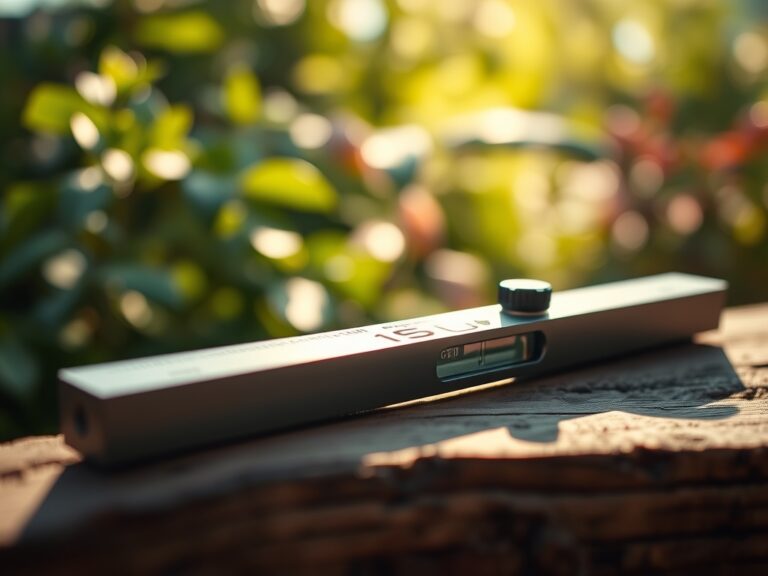
Precision is the hallmark of a professional horticulturist. Monitor the path monthly for shifting or weed intrusion. Use a hori-hori knife to extract deep-rooted weeds from joints without disturbing the bedding sand. For the surrounding landscape, provide 1.5 inches of water per week at the drip line, ensuring the water penetrates at least 6 inches into the profile.
Check soil moisture levels with a digital soil moisture meter to ensure the brick border is not acting as a heat sink that desiccates the soil. If the meter reads below 20 percent volumetric water content, increase irrigation frequency. Re-sweep polymeric sand into the joints every three to five years to maintain the monolithic structure of the path.
The Yield:
While a brick path does not yield a caloric harvest, the "yield" is measured in the longevity of the hardscape and the health of the adjacent flora. A well-constructed path using the best bricks for exterior design should remain stable for 30 to 50 years. To maintain "day-one" freshness, pressure wash the surface at a maximum of 1,500 PSI annually to remove organic debris and prevent the buildup of slick biofilms.
FAQ:
What is the best brick for high-traffic paths?
Clay pavers fired at high temperatures are superior. They possess a high compressive strength and low water absorption rate, making them resistant to wear and weather-related degradation compared to standard building bricks or concrete.
How do I prevent weeds between bricks?
Use polymeric sand in the joints. This material contains additives that harden when dampened, creating a semi-rigid barrier that inhibits seed germination and prevents ants from excavating the bedding sand beneath the units.
Can I lay bricks directly on soil?
No. Direct contact with soil leads to rapid shifting and sinking. A compacted gravel base and sand setting bed are required to provide drainage and a stable foundation that resists the natural movement of the earth.
Why are my bricks cracking in winter?
Cracking is usually caused by water absorption. If a brick is too porous, trapped water freezes and expands, causing "spalling" or fractures. Always select bricks rated for "severe weathering" (SW) to ensure durability in freezing climates.