9 Growth Benefits of Specialized Indoor Succulent Fertilizer
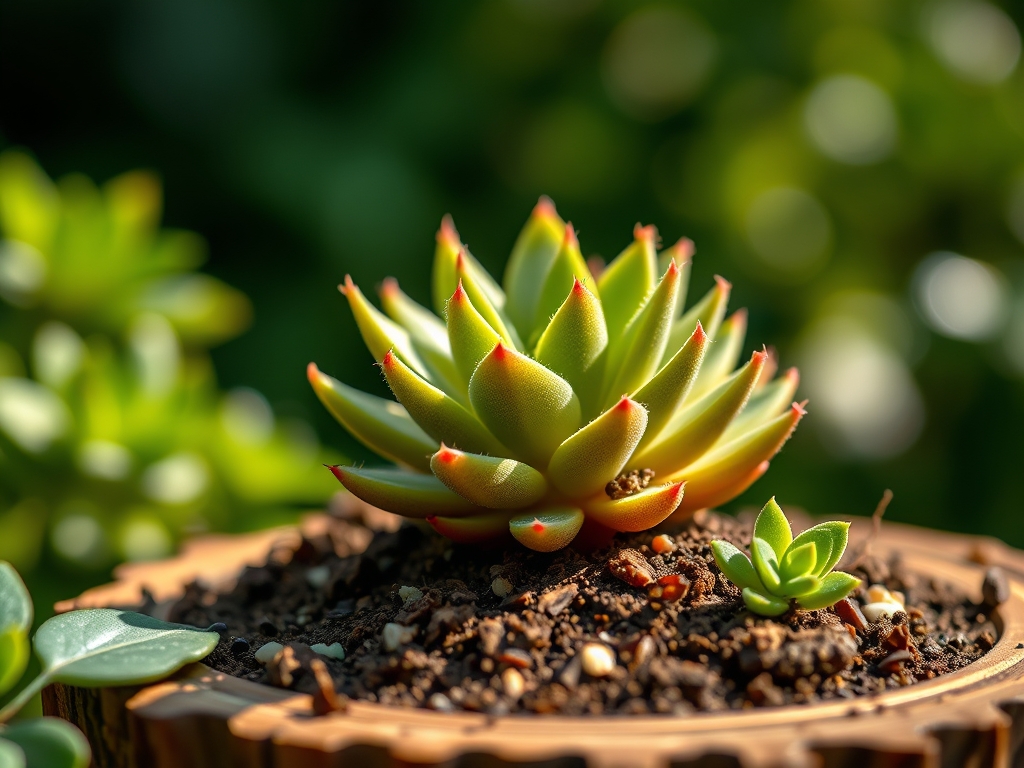
Indoor succulents often stagnate because generic houseplant formulas flood root zones with excessive nitrogen, promoting weak, etiolated growth that collapses under its own weight. Using a specialized succulent fertilizer corrects this by delivering phosphorus and potassium in ratios that mirror the arid, nutrient-poor soils these plants evolved to dominate. The difference appears within three weeks: thicker cuticles, tighter rosettes, and root systems that colonize substrate with purpose rather than desperation.
Materials
Specialized succulent fertilizers typically maintain NPK ratios between 2-7-7 and 4-4-4, emphasizing phosphorus for root development and potassium for cell wall integrity over nitrogen-driven foliar expansion. A 2-7-7 liquid concentrate suits genera like Echeveria and Graptoveria during active growth, while a 4-4-4 organic meal benefits slower-growing Haworthia and Gasteria. Substrate pH should rest between 6.0 and 6.5 to optimize cation exchange capacity and prevent micronutrient lockout. Chelated iron, magnesium sulfate, and calcium acetate address deficiencies common in peat-based or coir-heavy mixes. Mycorrhizal fungi inoculants colonize roots within 14 days, extending the effective rhizosphere by 40 percent and increasing phosphorus uptake efficiency.
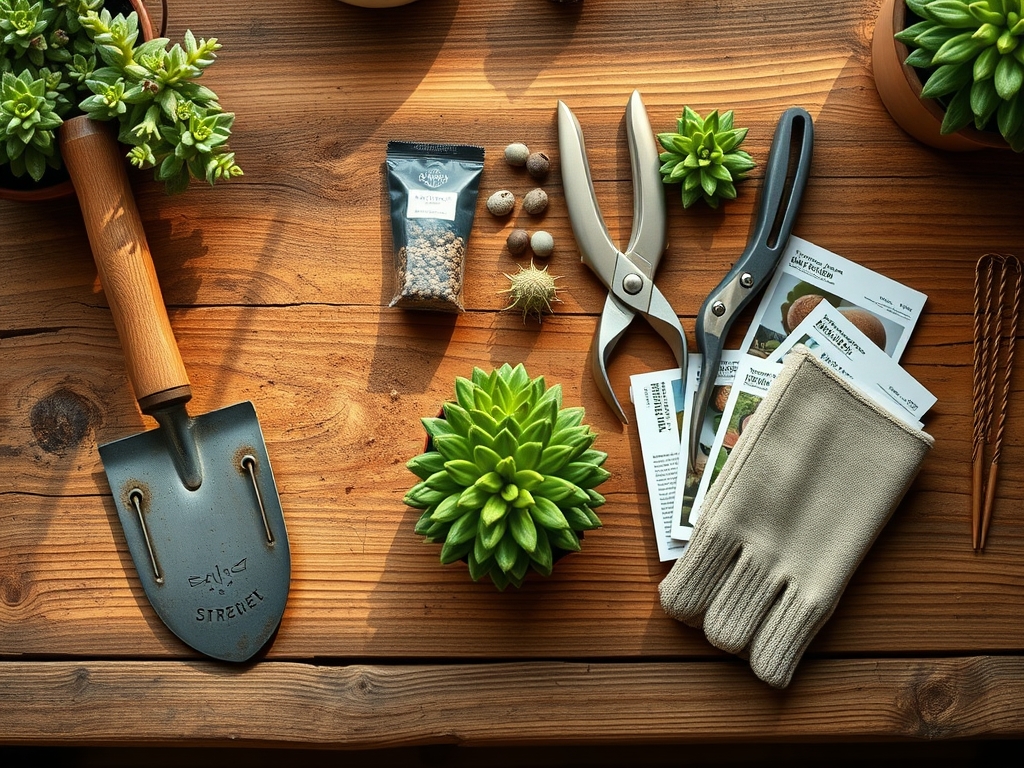
Dissolve liquid concentrates to one-quarter labeled strength. Commercial preparations often target ornamental annuals requiring 200 ppm nitrogen; succulents thrive at 50 ppm. Granular formulas release nutrients across 60 to 90 days, reducing salt accumulation that damages tender root hairs. Organic meals derived from kelp, alfalfa, and bone char introduce humic acids that buffer pH swings and improve water retention without waterlogging.
Timing
Apply specialized succulent fertilizer from March through September in USDA Hardiness Zones 5 through 11, aligning with the photosynthetic surge triggered by increasing day length and temperatures above 60 degrees Fahrenheit. Suspend feeding two weeks before the first expected frost date in autumn, allowing plants to harden off and redirect auxin distribution toward root consolidation rather than shoot elongation. Winter-growing genera such as Aeonium and Dudleya receive diluted applications from October through February, timed to biweekly intervals when substrate dries completely between waterings.
In Zone 9 and warmer, outdoor specimens benefit from a light feeding in January to support early spring bloom initiation. Indoor plants under grow lights tolerate year-round feeding at reduced strength, provided photoperiod remains stable at 12 to 14 hours daily. Avoid fertilization during heat stress above 90 degrees Fahrenheit; stomata close, halting nutrient transport through xylem tissues.
Phases

Sowing: Seeds germinate in sterile pumice or coarse sand with zero added fertility. Introduce specialized fertilizer at one-eighth strength once true leaves emerge, typically 21 to 28 days post-sowing. Excess nitrogen at this stage produces spindly hypocotyls prone to damping-off. Apply 30 ml of diluted solution per 4-inch seed tray every 10 days.
Pro-Tip: Mix Trichoderma harzianum spores into initial substrate at 1 gram per liter to suppress Pythium and Rhizoctonia while stimulating lateral root branching.
Transplanting: Move seedlings to individual 2-inch pots filled with a 2:1:1 ratio of pumice, composted bark, and coarse sand. Apply specialized fertilizer at half strength 7 days after transplant to minimize root shock. Avoid disturbing the root ball; damaged root hairs leak auxins, delaying establishment by 14 days. Water with 50 ml of diluted solution, ensuring complete substrate saturation and immediate drainage.
Pro-Tip: Prune taproots at a 45-degree angle before transplanting to encourage fibrous root proliferation and increase surface area for nutrient absorption by 30 percent.
Establishing: Mature specimens in 4-inch or larger containers receive full-strength specialized fertilizer every 21 days during the growing season. Apply 100 ml per gallon of substrate volume, adjusting for container size and evapotranspiration rates. Monitor electrical conductivity in drainage water; readings above 2.0 mS/cm indicate salt buildup requiring a flushing leach with distilled water at twice the container volume.
Pro-Tip: Top-dress annually with 1/4 inch of worm castings to introduce beneficial bacteria that convert organic nitrogen into bioavailable ammonium ions.
Troubleshooting
Symptom: Chlorotic leaf margins with necrotic tips indicate potassium deficiency, common when using high-nitrogen formulas that antagonize potassium uptake.
Solution: Drench with a 1-2-2 specialized fertilizer at full strength, followed by a foliar spray of potassium sulfate at 0.5 grams per liter every 7 days until greening resumes.
Symptom: Purple or red pigmentation on normally green foliage signals phosphorus lockout, often caused by substrate pH below 5.5.
Solution: Amend with dolomitic lime at 1 tablespoon per gallon of substrate, then apply a phosphorus-rich 2-7-7 fertilizer at half strength after pH stabilizes above 6.0.
Symptom: Stunted growth with tightly compacted rosettes lacking internode elongation indicates excessive phosphorus or insufficient nitrogen.
Solution: Switch to a balanced 4-4-4 organic formula, applying at quarter strength every 14 days until growth resumes normal apical dominance patterns.
Symptom: Sudden leaf drop from basal rosettes suggests root mealybugs feeding on cortical tissues and excreting honeydew that fosters sooty mold.
Solution: Unpot, rinse roots under tepid water, and soak in imidacloprid solution at labeled rate for 15 minutes before repotting in sterile substrate.
Maintenance
Water when substrate moisture drops to 10 percent by volume, typically every 10 to 14 days for indoor containers. Apply 100 ml of water per 4-inch pot, increasing to 200 ml for 6-inch pots. Avoid wetting foliage; trapped moisture in leaf axils invites bacterial soft rot. Rotate containers 90 degrees weekly to prevent phototropic leaning. Prune spent flower stalks 1/4 inch above the basal rosette to redirect carbohydrates into root development. Repot every 18 to 24 months, upsizing by 1 inch in diameter to accommodate radial root expansion without encouraging excessive vegetative growth.
FAQ
How often should I use specialized succulent fertilizer indoors?
Apply every 21 days from March through September at half the labeled strength, suspending entirely from October through February unless supplemental lighting maintains 12-hour photoperiods.
Can I use regular houseplant fertilizer on succulents?
No. Standard formulas contain 3 to 4 times the nitrogen succulents require, triggering rapid cell expansion that weakens structural integrity and increases disease susceptibility.
What NPK ratio works best for flowering succulents?
A 2-7-7 or 3-8-8 formulation delivers the phosphorus necessary for bud initiation and the potassium that strengthens pedicel tissues, reducing flower drop by 50 percent.
Do outdoor succulents need fertilizer?
Yes, but at reduced frequency. Apply specialized fertilizer once in April and again in June at full strength, allowing natural rainfall to leach excess salts.
Will fertilizer fix etiolation?
No. Etiolation results from insufficient light intensity, not nutrient deficiency. Increase lumens to 2000 foot-candles minimum, then resume normal fertilization once compact growth resumes.