9 Custom Steps to Build a Squash Garden Arbor
Growing sprawling squash varieties vertically transforms wasted garden space into productive canopy. A well-built arbor supports 40-pound loads of winter squash while providing cooling shade underneath for lettuce and spinach. The steps for building a vegetable garden arbor integrate structural engineering with vine physiology, creating a framework that channels auxin distribution along horizontal planes. Gardeners in zones 3-10 can complete construction in one weekend using pressure-treated lumber and galvanized fasteners, then train Cucurbita species upward for 12-16 weeks of harvest.
Materials for Arbor Construction and Soil Preparation
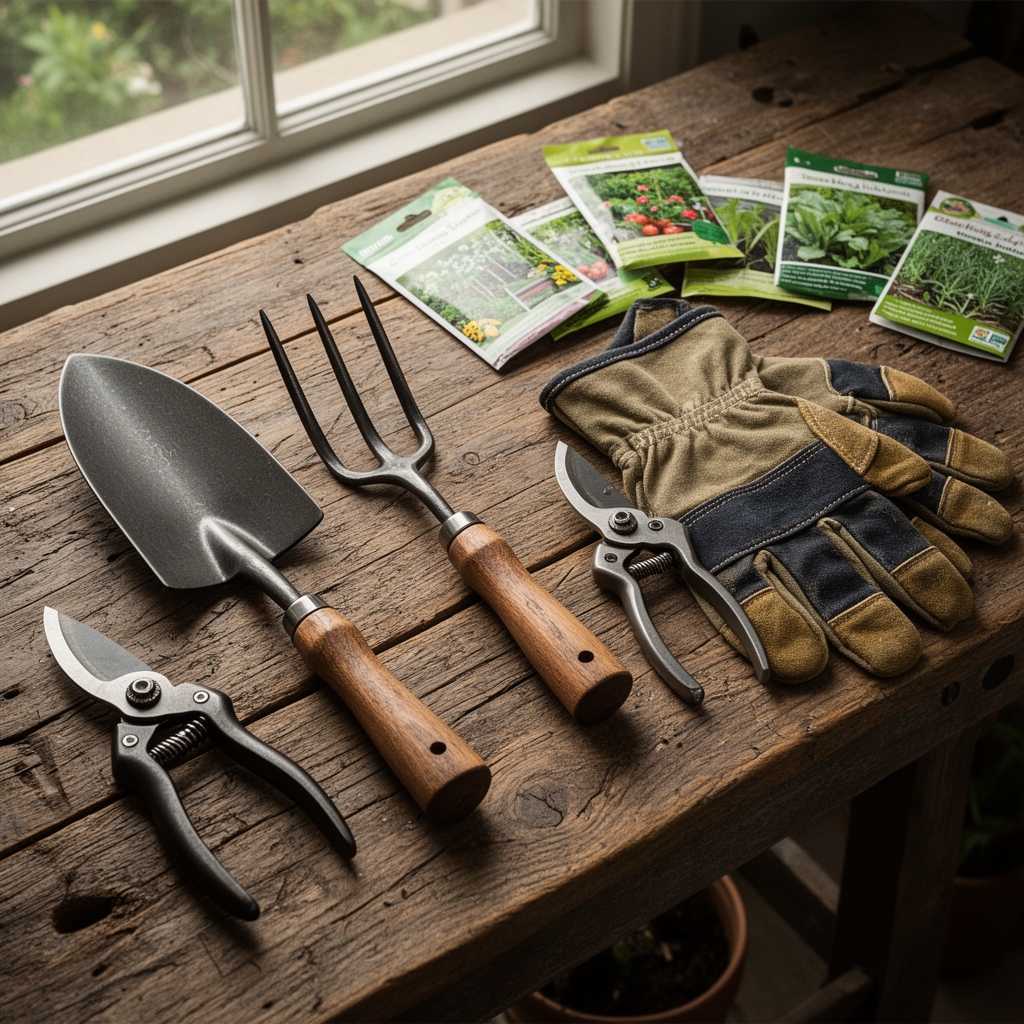
The structural components require four 4×4 posts (8 feet long), six 2×4 crossbeams (8 feet), and twelve 2×2 slats (6 feet). Use Simpson Strong-Tie post bases rated for 1,500 pounds or sink posts 24 inches deep in quick-set concrete. Galvanized deck screws (3-inch) resist corrosion better than nails. For the climbing surface, attach 6-inch mesh livestock panel or run jute twine in 8-inch grid patterns.
Soil amendments should target pH 6.0-6.8 for optimal nutrient availability. Apply composted manure at 4-4-4 NPK ratio, working in 2 cubic feet per 4×8 bed. Add rock phosphate (0-3-0) at 5 pounds per 100 square feet to support flower production. Incorporate mycorrhizal fungi inoculant (Glomus intraradices) at transplant time to increase phosphorus uptake by 40 percent. Maintain cation exchange capacity above 10 meq/100g by adding aged leaf mold or biochar at 1 inch depth.
Timing by Hardiness Zone
Zone 3-4 gardeners should start seeds indoors April 15-May 1, transplanting after last frost (May 25-June 10). Soil temperature must reach 65°F minimum before transplant to prevent transplant shock.
Zone 5-6 timing shifts to April 1-15 for indoor sowing, with May 10-25 transplant window. Direct seeding becomes viable after May 20 when soil stabilizes at 70°F.
Zone 7-8 allows March 15-April 1 indoor starts or April 15-May 1 direct seeding. Extended growing seasons permit succession planting every 3 weeks through June 15.
Zone 9-10 operates on inverted schedules. Plant September 1-October 1 for winter harvest, avoiding summer heat above 95°F that causes blossom drop.
Construction and Planting Phases
Phase 1: Foundation and Frame (Days 1-2)
Mark corner posts in 4×8 rectangle on north-south axis to maximize sun exposure. Dig 24-inch holes using post-hole digger. Set posts plumb with level, then fill with 60-pound bags of quick-set concrete mixed at 5:1 ratio. Allow 48 hours cure time before attaching horizontal members.
Mount lower crossbeams at 6.5 feet height, upper crossbeams at 8 feet. Pre-drill all connections to prevent splitting. Space the twelve 2×2 slats at 8-inch intervals across the top frame, creating 64 square feet of climbing surface.
Pro-Tip: Angle slats at 15 degrees toward the south to increase light penetration while maintaining structural integrity for fruit load.
Phase 2: Soil Preparation and Sowing (Days 3-5)
Excavate planting beds 18 inches deep along both sides of arbor (2 feet wide). Remove compacted clay and replace with equal parts compost, peat moss, and native topsoil. Test drainage by filling bed with water. Proper drainage empties within 2 hours.
Sow seeds indoors in 4-inch pots using sterile seed-starting mix. Plant seeds 1 inch deep, two per pot. Maintain soil at 75-80°F using heat mats. Germination occurs in 5-7 days. Thin to strongest seedling per pot once true leaves emerge.
Pro-Tip: Inoculate seedling roots with Trichoderma harzianum solution (1 tablespoon per gallon) to suppress Fusarium wilt during vulnerable establishment phase.
Phase 3: Transplanting and Training (Weeks 3-16)
Harden off seedlings over 7 days by reducing water and increasing outdoor exposure. Transplant at 24-inch spacing when night temperatures stay above 55°F. Dig holes 6 inches deep, adding 1/4 cup bone meal (3-15-0) per hole.
Install drip irrigation with emitters at 1 gallon per hour, positioned 6 inches from stem base. Mulch with 3 inches of straw to maintain soil temperature at 70-75°F and suppress weeds.
Guide main vines to vertical supports using soft fabric strips. Prune lateral shoots below 18 inches to direct energy upward. Once vines reach top frame, allow branching across horizontal plane.
Pro-Tip: Prune vine tips after 4-5 fruit set to concentrate resources into fruit development rather than continued vegetative growth. This increases individual fruit size by 20-30 percent.
Troubleshooting Common Disorders
Symptom: Yellow leaves with green veins
Solution: Iron or manganese deficiency caused by high pH. Apply chelated iron foliar spray at 1 tablespoon per gallon weekly. Acidify soil with elemental sulfur at 1 pound per 100 square feet.
Symptom: White powdery coating on foliage
Solution: Powdery mildew (Podosphaera xanthii). Spray potassium bicarbonate solution (1 tablespoon per gallon) at first sign. Ensure 18-inch spacing for airflow. Remove infected leaves immediately.
Symptom: Fruit rotting at blossom end
Solution: Blossom-end rot from calcium deficiency. Maintain consistent moisture. Side-dress with gypsum (calcium sulfate) at 2 pounds per 10 feet of row. Avoid excess nitrogen that blocks calcium uptake.
Symptom: Sudden vine wilt despite adequate water
Solution: Squash vine borer (Melittia cucurbitae). Inspect stems for entry holes with frass. Slit stem lengthwise, remove larvae, cover wound with soil to encourage adventitious roots. Apply Bacillus thuringiensis var. kurstaki to stems weekly as preventive.
Symptom: Stunted growth with mottled leaves
Solution: Cucumber mosaic virus transmitted by aphids. No cure exists. Remove infected plants immediately. Control aphid populations with neem oil (2 tablespoons per gallon) or insecticidal soap.
Maintenance Protocol
Provide 1-1.5 inches of water weekly via drip irrigation or soaker hoses. Water at soil level to prevent foliar diseases. Increase to 2 inches during fruit swelling stage.
Side-dress with compost tea (5-gallon bucket steeped 48 hours) every 14 days starting at flowering. Apply fish emulsion (5-1-1) at half-strength weekly during peak production.
Check support structures weekly. Reinforce connections if loosening occurs. Use fabric slings to support individual fruits over 10 pounds, tying slings to frame rather than vine.
Hand-pollinate flowers in early morning using soft brush if bee activity is low. Female flowers have swollen base; male flowers grow on thin stems. Transfer pollen from male to female stigma.
Frequently Asked Questions
How much weight can a properly built arbor support?
A frame using 4×4 posts with concrete footings and 2×4 crossbeams supports 300-400 pounds distributed load. Individual squash should not exceed 40 pounds. Use slings for larger varieties.
Which squash varieties grow best vertically?
Smaller-fruited cultivars perform best: Delicata, Acorn, Butternut (under 5 pounds), and summer squash. Avoid Atlantic Giant or Hubbard types exceeding 50 pounds. Bush varieties lack necessary vining habit.
Can I grow squash on the same arbor annually?
Rotate crops on 3-year cycle to prevent soil-borne pathogen buildup. Follow squash with legumes, then brassicas before returning to Cucurbita species. Sterilize support materials with 10 percent bleach solution between seasons.
What spacing prevents overcrowding on vertical structures?
Plant 24 inches apart for compact varieties, 36 inches for vigorous vining types. Each plant occupies 16 square feet of climbing surface. Prune aggressively to maintain assigned space allocation.
How do I harvest without damaging the arbor?
Use sharp bypass pruners to cut stems 2 inches from fruit. Support fruit with one hand while cutting. Never pull or twist, which stresses structural connections. Harvest morning when vines are turgid and less brittle.