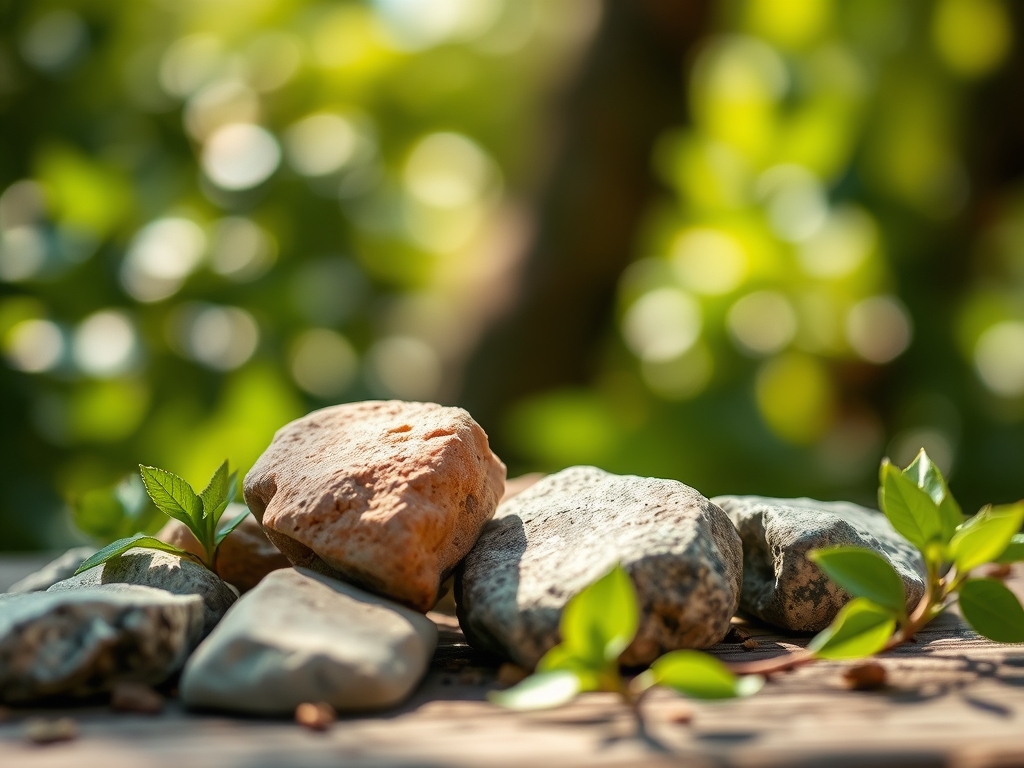
9 Best Natural Stones for Exterior Design and Curb Appeal
The scent of damp, mineral-rich earth signals a high Cation Exchange Capacity (CEC) in the soil, a critical metric for any landscape professional. When the turgor pressure in surrounding foliage is optimal, the structural integrity of the hardscape becomes the focal point of the garden. Selecting the best stones for exterior design requires more than an aesthetic eye; it demands an understanding of geological density and how mineral leaching affects the surrounding rhizosphere.
Hardscape elements dictate the microclimate of a property. Darker stones like basalt absorb thermal energy, raising the ambient temperature of the soil and accelerating the metabolic rates of nearby root systems. Conversely, lighter limestones reflect solar radiation, maintaining cooler root zones during peak summer months. Every stone choice impacts the hydraulic conductivity of the site. A well-executed exterior design balances the permanence of metamorphic or igneous rock with the delicate biological needs of the vascular plants that frame them.
Materials:
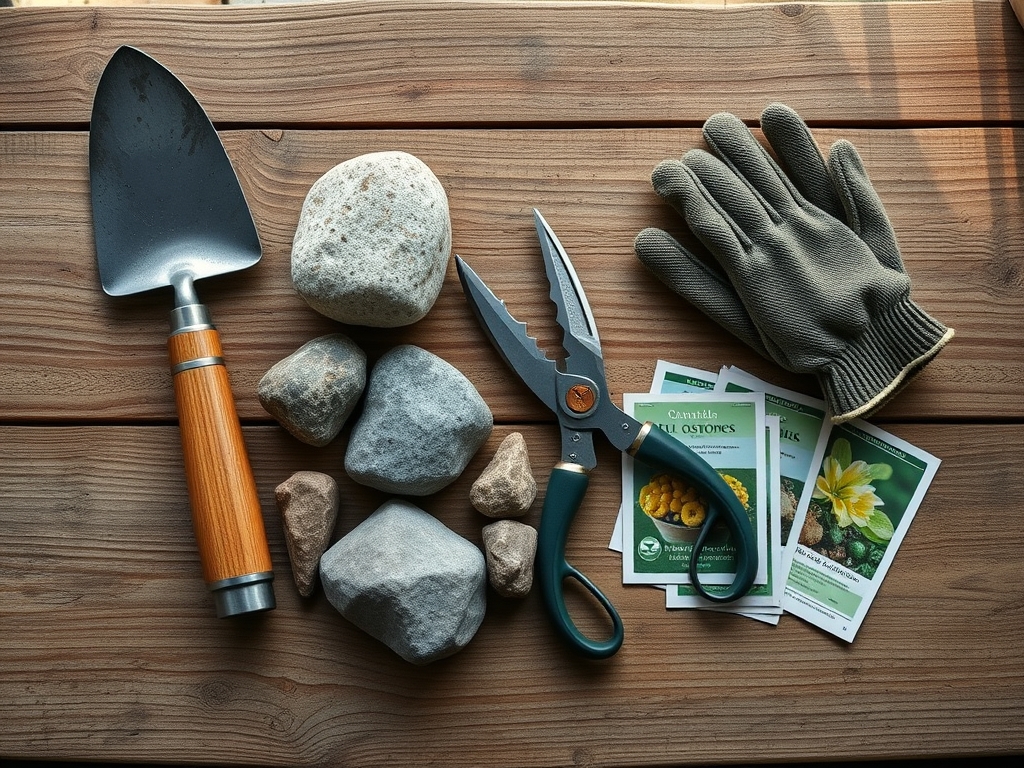
Integrating stone into a landscape requires a **friable loam** substrate to ensure adequate drainage and prevent anaerobic conditions beneath the masonry. The soil surrounding these stone installations should maintain a **pH between 6.0 and 7.0** to prevent mineral lockout. When planting near limestone, monitor for alkaline drift, as calcium carbonate can raise pH levels and cause iron chlorosis in acid-loving species.
For the biological components accompanying your stone design, utilize a balanced NPK ratio of 10-10-10 for general establishment. If the goal is flowering ornamental coverage between pavers, shift to a 5-10-10 ratio to prioritize phosphorus for root development and bloom production. The substrate must possess enough organic matter to support a robust microbial population while maintaining the structural load-bearing capacity for the heavy stone units.
Timing:
Installation and planting must align with the local Hardiness Zone, typically ranging from Zones 3 to 9 for most stone-integrated landscapes. The ideal window for heavy stone placement is during the dormant season or early spring, before the soil reaches a temperature of 50 degrees Fahrenheit. This timing prevents excessive soil compaction during the "Biological Clock" transition from winter dormancy to the vegetative stage.
As the photoperiod increases in spring, plants enter a rapid vegetative state. Installing stones before this surge ensures that root systems are not disrupted during their most vulnerable growth phase. If you are planting groundcovers between flagstones, aim for a window 2 to 3 weeks after the last frost date to ensure the soil is workable and the risk of heaving is minimized.
Phases:
### Sowing
When sowing seeds for “steppable” groundcovers like Thymus praecox between stones, ensure the seed-to-soil contact is absolute. Use a fine-textured compost mix to fill the gaps. **Maintain a consistent moisture level of 70 percent** in the top inch of soil until germination occurs.
Pro-Tip: Mycorrhizal symbiosis is essential here. Inoculating the soil with beneficial fungi helps the plants extend their reach for nutrients in the restricted spaces between stones, effectively increasing the surface area of the root system.
Transplanting
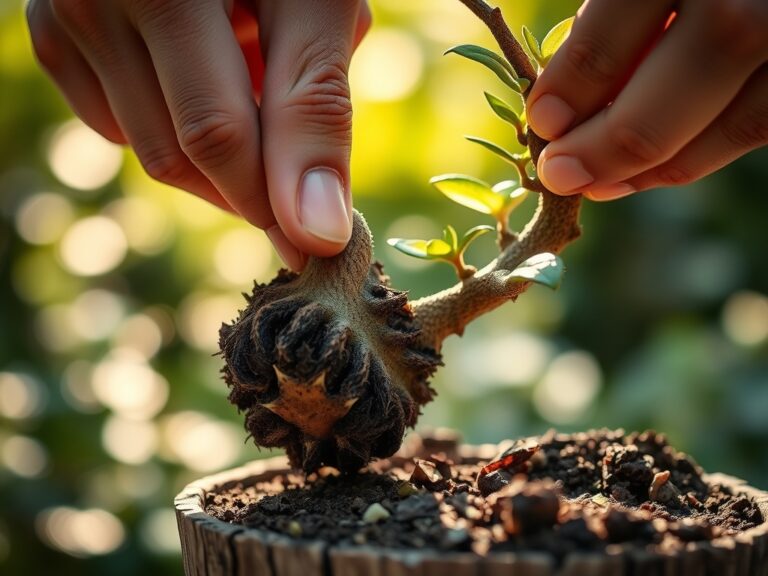
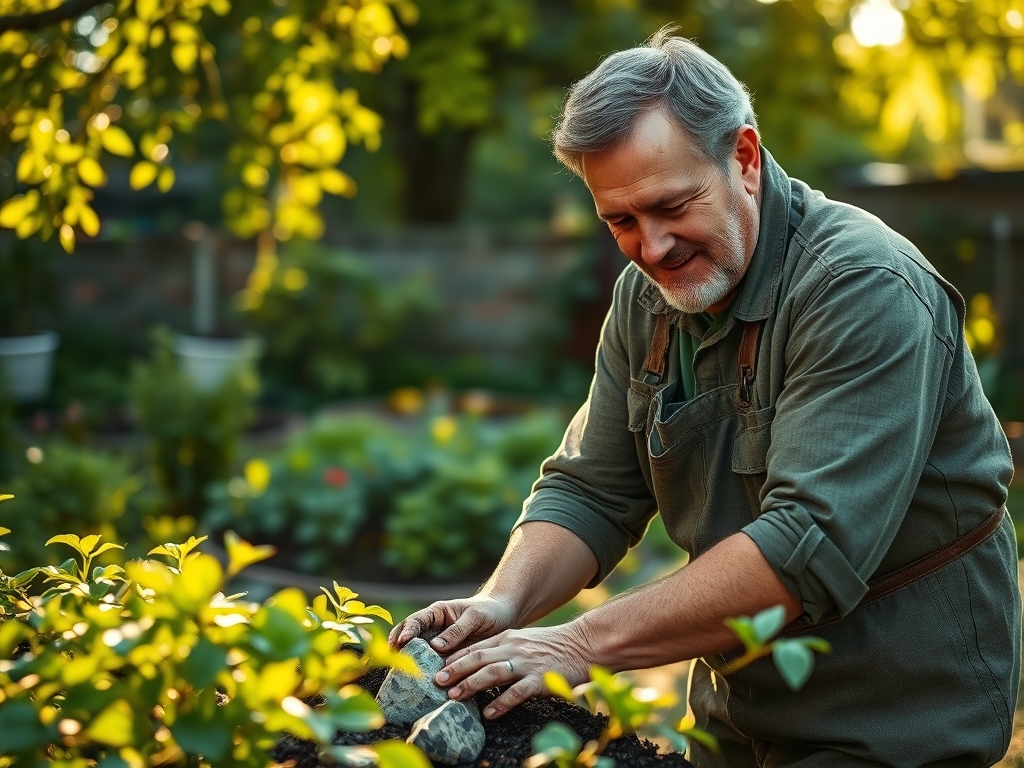
When moving established perennials into a stone-heavy design, use a hori-hori knife to create precise planting pockets. The hole should be twice as wide as the root ball but no deeper. Ensure the crown of the plant sits slightly above the stone grade to prevent crown rot from water runoff.
Pro-Tip: Avoid auxin suppression by not burying the stem too deep. Maintaining the proper planting depth ensures that the plant's hormonal balance favors upward growth and lateral root expansion rather than struggling against stem decay.
Establishing
The first 90 days are critical for establishment. Plants must overcome the heat reflection from the stones. Use a soil moisture meter to check the rhizosphere daily. The goal is to encourage deep taproot growth rather than shallow lateral roots that will desiccate against the hot stone surfaces.
Pro-Tip: Phototropism will cause plants to lean toward the light reflecting off lighter stones. Rotate container-grown plants or prune selectively to maintain a balanced canopy and prevent lopsided growth patterns.
The Clinic:
Physiological disorders often arise when stone materials interfere with the chemical or physical environment of the plant.
- Symptom: Interveinal chlorosis (yellow leaves with green veins).
Solution: This is often iron deficiency caused by high pH from limestone leaching. Apply chelated iron and sulfur to lower the pH to a range of 6.2 to 6.5. - Symptom: Leaf scorch or marginal necrosis.
Solution: Thermal stress from dark stones like slate or basalt. Increase irrigation frequency to 2 inches per week or provide temporary shade during the 2:00 PM to 4:00 PM peak heat window. - Symptom: Stunted growth and purpling of lower leaves.
Solution: Phosphorus deficiency, often exacerbated by cold, compacted soils under stones. Aerate the perimeter and apply a high-phosphorus 0-20-0 fertilizer to stimulate root metabolism.
Fix-It: For Nitrogen chlorosis (general yellowing of the entire plant), apply a quick-release nitrogen source like blood meal at a rate of 1 pound per 100 square feet.
Maintenance:
Precision is the hallmark of a professional. Provide 1.5 inches of water per week delivered at the drip line rather than the foliage to prevent fungal pathogens. Use bypass pruners for clean cuts that heal quickly; ragged tears invite senescence and disease.
Weeds between stones should be managed with a hori-hori knife to remove the entire taproot. If the stones shift due to frost heave, use a dead-blow mallet to reset them without fracturing the mineral structure. Monitor the soil CEC annually to ensure the heavy stone presence isn't leading to nutrient leaching or salt accumulation.
The Yield:
For those incorporating edible herbs like rosemary or creeping thyme into their stone designs, harvest timing is paramount. Harvest in the early morning when turgor pressure is at its peak and essential oil concentration is highest. Use sharp shears to take no more than one-third of the plant at a time.
Post-harvest, submerge the cuttings in 40-degree Fahrenheit water for thirty seconds to remove field heat. This preserves the cellular structure and ensures "day-one" freshness for culinary use.
FAQ:
Which stone is best for high-traffic walkways?
Granite and quartzite are superior due to their high Mohs hardness rating. They resist abrasion and do not leach minerals that significantly alter soil pH, making them safe for surrounding sensitive vegetation.
How do I prevent stones from sinking into the soil?
Excavate to a depth of 6 to 8 inches and install a compacted base of crushed aggregate. This creates a stable foundation that maintains soil porosity and prevents the anaerobic compaction of the underlying rhizosphere.
Will limestone hurt my acid-loving plants?
Yes. Limestone is primarily calcium carbonate, which will gradually raise the soil pH. This can lead to nutrient lockout for plants like azaleas or blueberries. Use granite or slate near these species instead.
How much water do plants between stones need?
They require approximately 20 percent more water than open-field plants due to the "heat island" effect of the stones. Use a soil moisture meter to ensure the root zone stays consistently hydrated.