9 Best Metal Files for Sharpening Vegetable Garden Tools
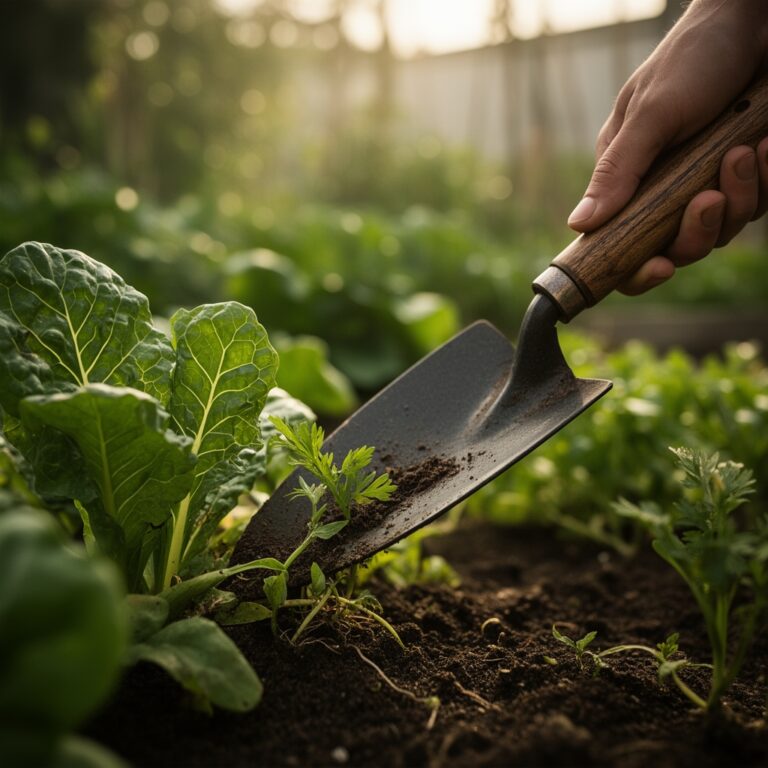
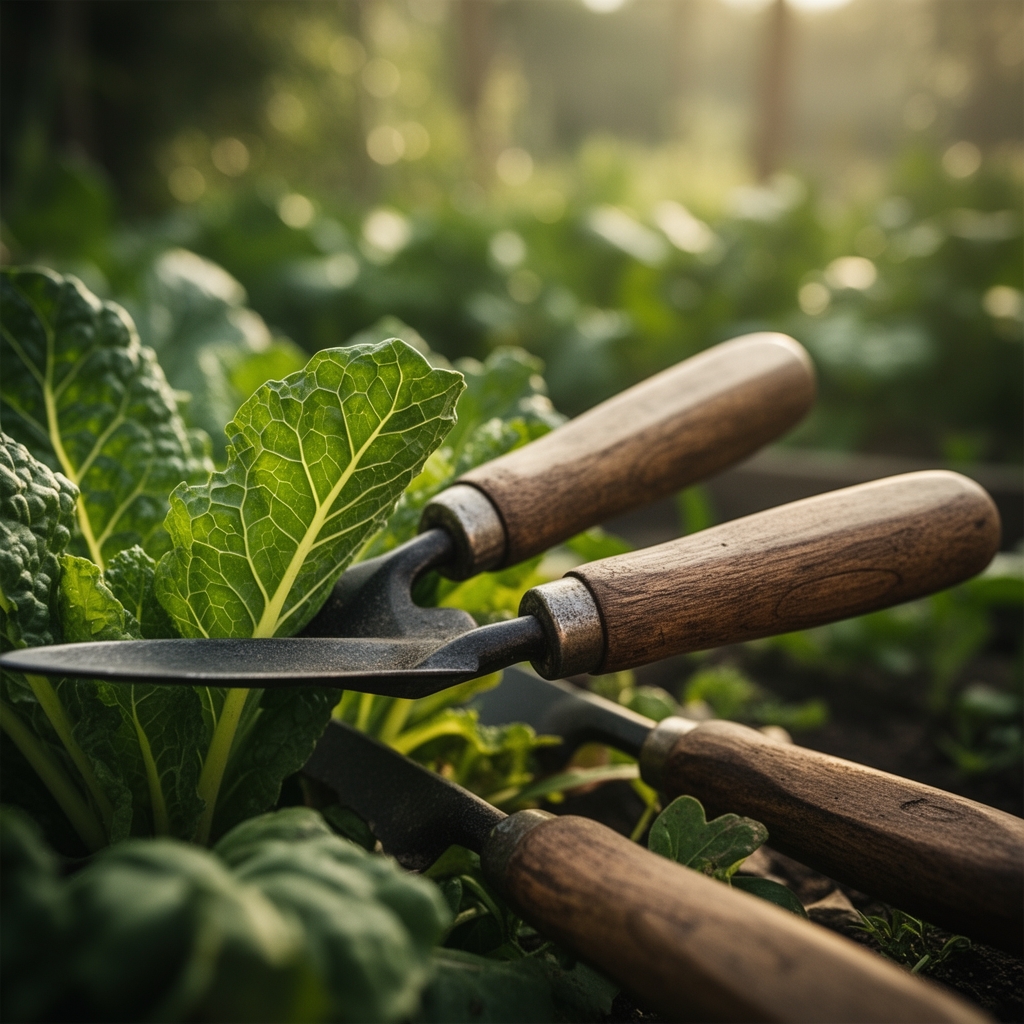
The blade of your hoe catches on a root and skitters sideways, its edge rounded to dull uselessness after weeks of slicing through clay-heavy soil. A spade that once split through compacted earth now requires your full weight just to penetrate the topsoil. Best vegetable garden tool files restore cutting geometry to these essential implements, maintaining the precise bevels that reduce labor and protect plant roots from ragged wounds that invite pathogenic fungi.
Materials
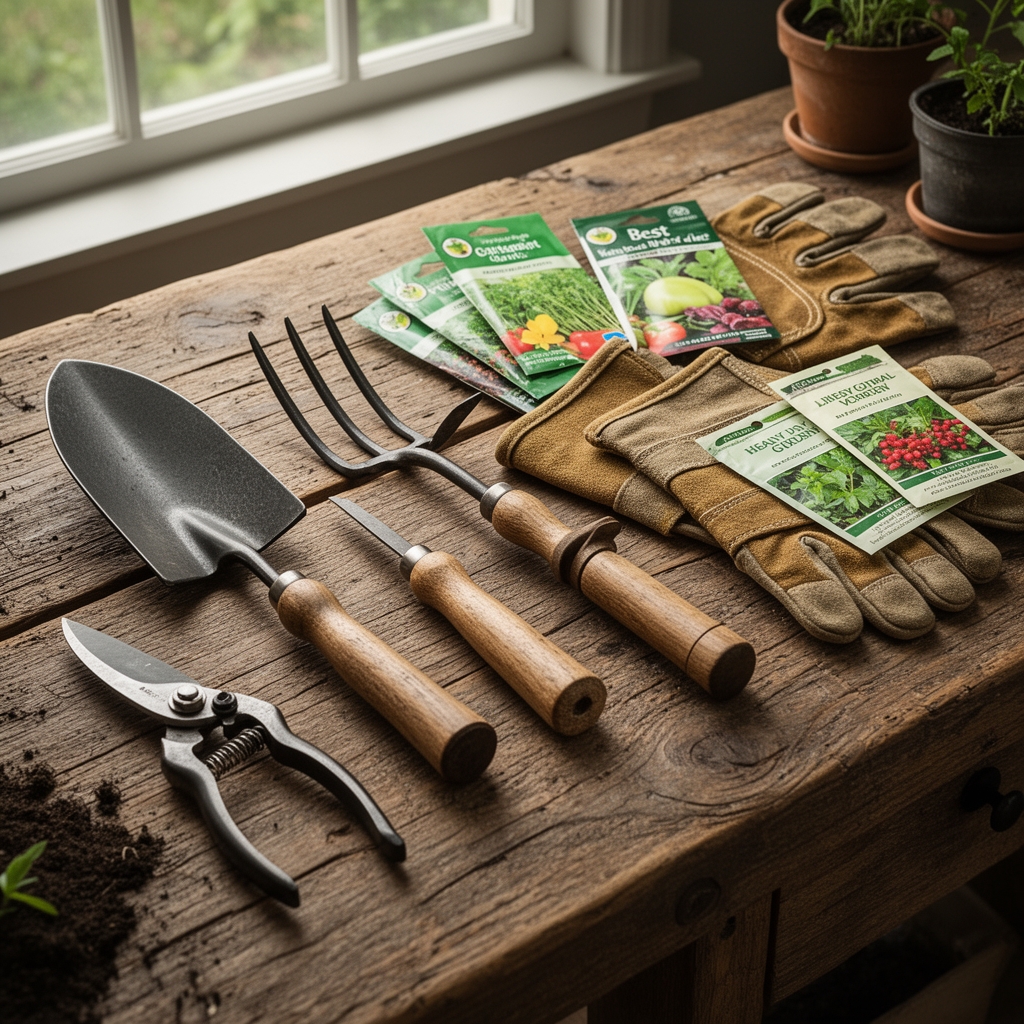
Mill bastard files with 10-inch lengths and double-cut patterns excel for restoring hoes, shovels, and trowels. Their medium-coarse teeth remove oxidized metal quickly while leaving a workable edge. Single-cut smooth files at 8 inches finish sharpening passes, creating angles between 30 and 45 degrees depending on soil type.
Chain saw files in 5/32-inch and 3/16-inch diameters address pruner blades and narrow weeding knives. Their round profiles match curved cutting surfaces without creating flat spots that compromise slicing action. Half-round files serve dual purposes, with flat faces for broad surfaces and curved backs for gullets in serrated pruning saws.
Nicholson or Bahco brands maintain consistent Rockwell hardness ratings above HRC 60, ensuring the file teeth cut tempered steel tool edges rated at HRC 52 to 58. Budget files below $8 often measure HRC 55 or softer, causing tooth rollover against hardened garden implements.
Handle selection matters for leverage and safety. Tang-style files require separate wooden handles fitted tightly to prevent the bare tang from driving into your palm during aggressive strokes. Molded composite handles bonded directly to the file blank eliminate this failure point and provide superior grip when hands are soil-dampened.
Timing
Files prove most efficient when applied before soil cation exchange capacity decreases cutting edge retention. In USDA Hardiness Zones 3 through 6, sharpen tools in late March before spring cultivation begins. Clay soils with high montmorillonite content accelerate edge dulling, requiring mid-season maintenance in June before peak harvest.
Zones 7 through 10 demand tri-annual sharpening cycles. Early February preparation precedes cool-season brassicas and alliums planting. Mid-June sessions restore edges before summer squash and tomato side-dressing. October sharpening prepares tools for fall cover crop establishment and garlic planting.
Frost-date windows dictate urgency. Tools must hold edges through the 30-day transplanting rush following the last spring frost. A dull spade during this period compresses root balls and severs feeder roots, reducing transplant establishment rates by 15 to 25 percent in controlled trials.
Phases

Initial Assessment
Examine edges under raking light at a 20-degree angle to reveal wear patterns. Rounded bevels indicate uniform dulling. Nicks and chips concentrated in specific areas suggest stone strikes or wire fencing contact. Deep gouges below 2mm require coarse files or bench grinders before hand-filing refinement.
Clean soil residue with a wire brush dipped in diluted vinegar solution at 1 part vinegar to 3 parts water. Organic matter trapped in file teeth reduces cutting efficiency by 40 percent. Dried clay creates glazing that prevents proper tooth engagement.
Pro-Tip: Soak heavily rusted tools in molasses solution (1 cup per gallon of water) for 72 hours. Chelation removes iron oxide without abrading base metal, preserving dimensional tolerances.
Stroke Mechanics
Secure the tool in a vise or against a stable workbench edge. Position the file at the original bevel angle, typically 25 degrees for slicing tools like hoes and 35 degrees for digging implements encountering rocks. Push the file away from your body in smooth strokes covering the full length of the blade edge.
Apply pressure only on forward strokes. Dragging the file backward dulls its teeth and deposits metal particles into tooth gullets. Ten to fifteen strokes with a bastard file followed by five finishing strokes with a smooth file create edges that sever 3/8-inch roots cleanly without tearing xylem tissue.
Pro-Tip: Mark the bevel angle with a permanent marker before filing. The ink wears away where the file contacts metal, providing visual confirmation of consistent angle maintenance.
Edge Refinement
Test sharpness by slicing through newsprint held vertically. Properly sharpened edges cut cleanly without tearing or requiring sawing motions. Field-test on volunteer weed stems at least 1/4-inch in diameter. Clean cuts that don't crush vascular bundles indicate adequate edge geometry for root zone work.
Apply food-grade mineral oil to freshly filed edges. This displaces moisture and prevents flash rusting that begins within 20 minutes in humid conditions above 60 percent relative humidity. Store tools hanging vertically to prevent edge contact with concrete or metal surfaces.
Pro-Tip: File auxin-rich plant sap residue from pruner blades immediately after use. Dried sap hardens to resin that requires aggressive filing, removing excess metal and shortening tool lifespan by up to three seasons.
Troubleshooting
Symptom: File teeth clog after three strokes, creating burnished rather than cut metal surfaces.
Solution: The file has become "pinned" with metal particles. Drag a file card (short brass bristles) perpendicular to the file teeth after every fifth stroke. For severe pinning, soak the file in kerosene for 15 minutes, then scrub with the file card.
Symptom: Edge develops wave patterns or uneven bevels despite consistent filing angle.
Solution: File teeth are worn smooth. Files cutting hardened tool steel require replacement after 15 to 20 complete tool sharpenings. Worn files compress rather than shear metal, generating excessive heat that draws temper from tool edges.
Symptom: Tool edge chips within days of sharpening during normal soil cultivation.
Solution: Filing angle is too acute for soil conditions. Rocky or gravelly soils require 40 to 45-degree bevels. Acute angles below 25 degrees create fragile edges that microchip against resistance. Re-establish the bevel at a more obtuse angle.
Symptom: Freshly sharpened blade rusts orange within 48 hours despite dry storage.
Solution: Filing exposes fresh iron to atmospheric oxygen without protective patina. Apply boiled linseed oil (not raw) in a thin coat immediately after filing. The oil polymerizes into a flexible barrier that prevents oxidation while remaining non-toxic for food crop contact.
Maintenance
Sharpen tools after every 4 hours of active soil contact time. Sandy loam soils with minimal rock content extend this interval to 6 hours. Clay soils with pH below 6.0 contain aggressive acids that accelerate edge degradation, reducing intervals to 3 hours.
Store files in a dry location with relative humidity below 50 percent. Hang them individually or wrap in tool roll fabric to prevent tooth-to-tooth contact that causes mutual dulling. Apply a light coating of paste wax to file surfaces every 90 days.
Inspect file handles before each use. Split or loose handles compromise control and cause incomplete sharpening patterns. Replace damaged handles immediately rather than risk hand injuries that sideline gardeners during critical planting windows.
Dress file teeth with chalk before sharpening aluminum or soft copper alloy tools. The chalk acts as a dry lubricant that prevents soft metal from filling tooth gullets.
FAQ
How often should vegetable gardeners sharpen their tools?
Sharpen hoes, spades, and trowels every 12 to 15 hours of soil contact. High-clay soils require sharpening after 8 hours. Pruners and knives need attention after processing 50 to 75 woody stems exceeding 1/2-inch diameter.
Can I use power grinders instead of hand files?
Bench grinders work for initial restoration of severely damaged edges but generate friction heat above 400 degrees Fahrenheit. This temperature draws temper from tool steel, reducing Rockwell hardness and edge retention. Hand files keep metal below 150 degrees, preserving factory heat treatment.
What file cut pattern works best for garden tools?
Bastard cut (medium coarseness) with double-cut patterns removes metal efficiently while maintaining control. Second-cut (fine) or smooth files finish edges for slicing applications like harvesting lettuce or trimming herb stems.
Do stainless steel tools require different files?
Stainless alloys in garden tools typically measure HRC 54 to 56, slightly harder than carbon steel equivalents. Use the same file types but expect 20 percent more strokes to achieve equivalent edge geometry. Stainless work-hardens under filing pressure, so use lighter force with more passes.
Should I file both sides of a blade edge?
Single-bevel tools like hoes and Japanese weeding knives receive filing on one side only. Double-bevel tools like pruners and most knives require equal filing on both surfaces to maintain centered edge geometry and prevent curved cutting paths.