9 Best Gentle Plant Clips for Training Delicate Stems
Turgor pressure within a succulent stem creates a rigid but fragile cellular structure that demands precise mechanical support. When the vascular tissues of a climbing specimen or a heavy fruiting vine begin to sag, the risk of xylem collapse increases significantly. Selecting the best plant clips requires an understanding of stem diameter and the elasticity of the plant epidermis. A clip that is too tight restricts the flow of photosynthates from the leaves to the roots; one that is too loose fails to counteract the force of gravity. The scent of damp humus and the tactile resistance of a healthy, hydrated leaf indicate a plant ready for vertical training. Proper support ensures that the plant maintains its structural integrity during periods of rapid vegetative growth, preventing the snapping of primary leads that can lead to opportunistic fungal infections in the open wound.
Materials:
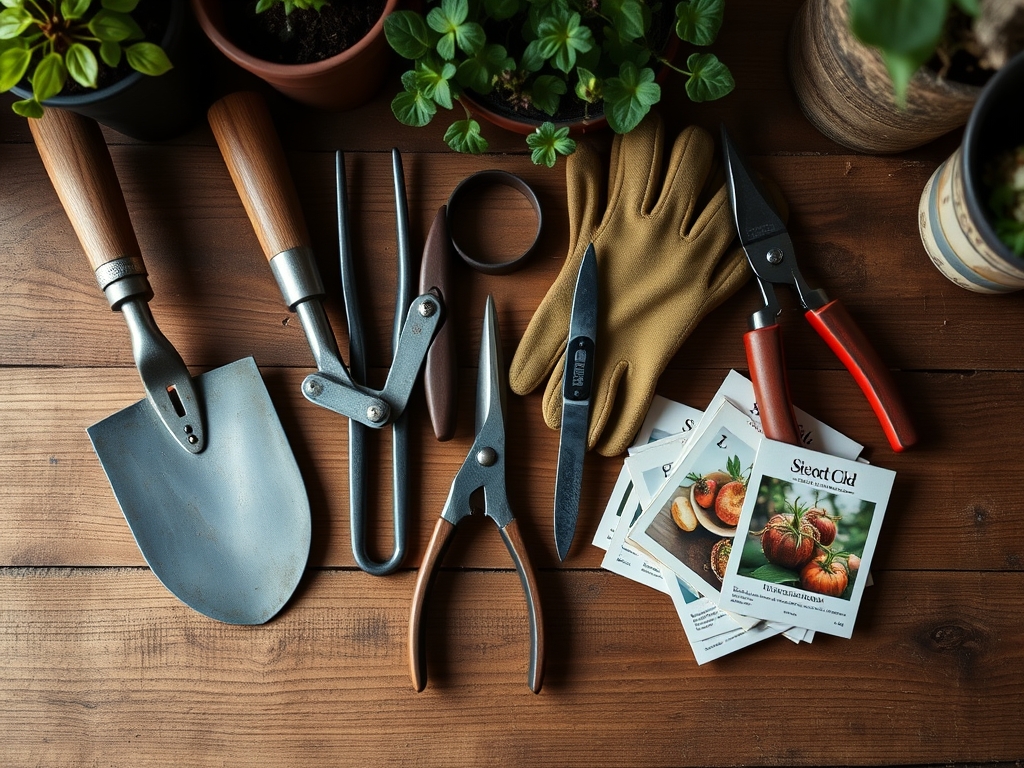
The success of any vertical training system begins in the rhizosphere. For plants requiring clips, the substrate must be a **friable loam** with a high **Cation Exchange Capacity (CEC)** to ensure nutrient availability. Maintain a **soil pH between 6.2 and 6.8** to optimize the uptake of macronutrients. A balanced **NPK ratio of 10-10-10** is standard for general vegetative growth, but for heavy flowering vines, transition to a **5-10-15 ratio** to prioritize phosphorus and potassium over nitrogen. This prevents excessive, weak “leggy” growth that even the **best plant clips** cannot fully support. The physical texture should allow for rapid drainage while retaining enough moisture to maintain a **soil moisture tension of 10 to 30 centibars**.
Timing:
Hardiness Zones 4 through 9 dictate the window for structural training. In cooler zones, initiate clipping only after the final frost date when overnight temperatures consistently remain above 55 degrees Fahrenheit (12.7 Celsius). This ensures the plant has entered its active vegetative stage. The biological clock of the plant is governed by the photoperiod. As days lengthen, auxin production at the apical meristem increases, causing the plant to stretch toward the light. You must apply clips during this transition from the seedling stage to the reproductive stage to guide the architecture of the plant before the stems lignify and become brittle.
Phases:

Sowing and Initial Growth
Start seeds in a sterile medium with a pH of 5.8 to 6.2. Once the first set of true leaves appears, the plant begins to establish its primary root system.
Pro-Tip: Monitor for phototropism, where the plant leans toward the light source. Early clipping to a bamboo stake prevents the stem from developing a permanent curve, which would otherwise create a mechanical weak point in the mature plant.
Transplanting and Support Integration
When moving the plant to its permanent location, ensure the root ball is set at the same depth as its previous container. This is the critical moment to introduce the best plant clips to a trellis or support wire.
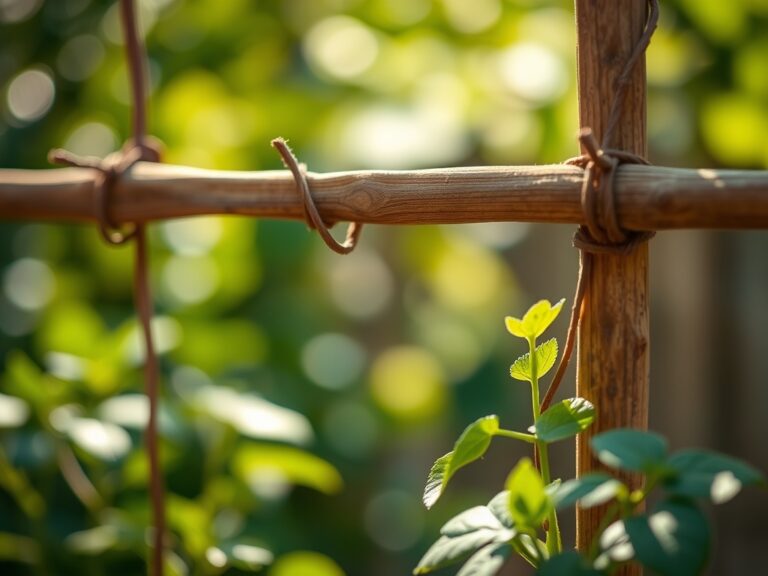
Pro-Tip: Use clips to manage auxin suppression. By securing a main stem horizontally (espalier), you disrupt the apical dominance, encouraging the growth of lateral buds and increasing the overall density of the foliage.
Establishing the Vertical Lead
As the plant reaches its rapid growth phase, it may grow 2 to 4 inches per week. Adjust clips every seven days to accommodate the increasing girth of the stem.
Pro-Tip: Leave a 3-millimeter gap between the clip and the stem. This space accounts for secondary growth in the vascular cambium, preventing "girdling" which can halt the transport of water and nutrients to the upper canopy.
The Clinic:
Symptom: Interveinal chlorosis on older leaves.
Solution: This indicates a Nitrogen deficiency. Apply a water-soluble fertilizer with a high first digit in the NPK ratio. Ensure the soil temperature is above 65 degrees Fahrenheit for optimal uptake.
Symptom: Soft, brown lesions at the site of the plant clip.
Solution: This is mechanical damage leading to Botrytis cinerea or gray mold. Remove the clip, prune the affected area with a bypass pruner, and increase airflow around the stem.
Symptom: Blossom end rot in fruiting vines.
Solution: This is a Calcium deficiency often caused by inconsistent moisture levels rather than a lack of soil calcium. Use a soil moisture meter to maintain a consistent hydration level of 1.5 inches of water per week.
Symptom: Purpling of the underside of leaves.
Solution: This signals a Phosphorus deficiency, common in cold soils. Increase the soil temperature using black plastic mulch or wait for the seasonal shift to warmer weather.
Maintenance:
Precision maintenance requires the right equipment. Use a hori-hori knife to weed around the base of the support structure without disturbing the shallow lateral roots. Apply exactly 1.5 inches of water per week at the drip line; avoid wetting the foliage to prevent powdery mildew. Inspect the best plant clips monthly for signs of UV degradation or plastic fatigue. If a clip shows signs of stress whitening, replace it immediately to prevent a structural failure during high winds. Use bypass pruners to remove any suckers or non-productive growth that diverts energy from the main vertical lead.
The Yield:
For flowering or fruiting vines, harvest when the fruit reaches its specific Brix level or when the flower petals are fully hydrated. Use a sharp blade to make a clean cut at a 45-degree angle to maximize the surface area for water uptake in the post-harvest stage. For day-one freshness, submerge the cut stems in 40-degree Fahrenheit water immediately after harvest to slow the rate of senescence. This rapid cooling preserves the sugars and essential oils within the plant tissue.
FAQ:
What are the best plant clips for orchids?
Orchids require small, lightweight dragonfly or butterfly clips. These provide enough tension to support the heavy flower spike without crushing the delicate, water-storing tissues of the stem. Ensure the clip is sterilized with 70 percent isopropyl alcohol before use.
Can I reuse plastic plant clips?
Yes, provided they are structurally sound. Soak used clips in a 10 percent bleach solution for ten minutes to kill pathogens like tobacco mosaic virus or fungal spores. Rinse thoroughly and dry before applying to new growth.
How tight should a plant clip be?
A clip should never be flush against the stem. Maintain a minimum 1/8 inch clearance to allow for the expansion of the vascular cambium. If the clip leaves an indentation on the stem, it is too tight and must be adjusted.
When should I remove plant clips?
Remove clips once the stem has undergone lignification, meaning it has turned woody and can support its own weight. For annuals, clips remain until the end of the season; for perennials, remove them before the winter dormancy period.