8 Winter-Ready Steps to Prepare a Productive Garden Site
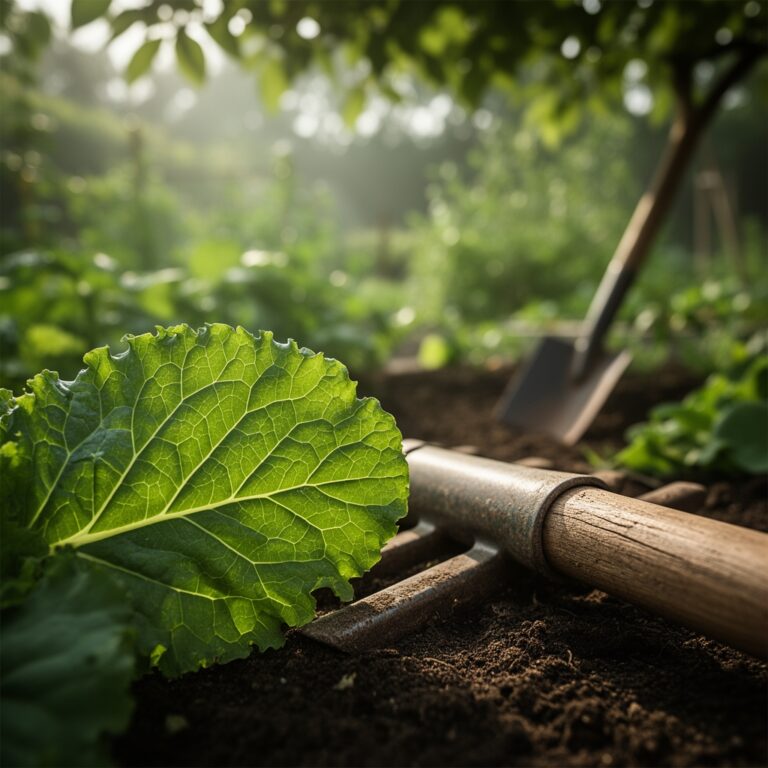
The first frost transforms productive beds into brittle stalks and blackened leaves, but the gardener who understands how to prepare a garden for a winter vegetable garden sees October as the launch window for cold-season abundance. Root cellaring begins in the soil, not the basement. Brassicas, alliums, and lettuces demand soil structure, nutrient profiles, and microbial partnerships distinct from their heat-loving predecessors.
Materials
Amendments and Soil Conditioners
Aged compost (pH 6.5-7.0) serves as the foundation, applied at 2 inches across the bed surface to raise cation exchange capacity. Broadcast 4-4-4 certified organic granular fertilizer at 2 pounds per 100 square feet, ensuring balanced macronutrient availability without excess nitrogen that encourages frost-tender foliage. Elemental sulfur (0-0-0 + 90% S) lowers alkaline soils incrementally; apply 1 pound per 100 square feet to shift pH downward by approximately 0.5 units over 90 days.
Blood meal (12-0-0) delivers nitrogen for leafy crops like spinach and kale. Bone meal (3-15-0) supports root development in carrots, turnips, and parsnips. Rock phosphate (0-3-0) provides slow-release phosphorus for brassica head formation. Greensand (0-0-3) and kelp meal (1-0.5-2) supply potassium and trace minerals essential for cold tolerance. Mycorrhizal inoculant powder colonizes root zones, extending nutrient uptake radius by 100-fold in exchange for plant sugars.
Physical Inputs
Row cover fabric (0.9 oz per square yard) moderates temperature swings by 4-8 degrees Fahrenheit. Wire hoops at 4-foot intervals support floating covers without crushing seedlings. Landscape staples anchor edges against wind. Drip tape (0.5 GPH emitters spaced 12 inches) delivers sub-canopy irrigation to minimize foliar disease pressure.
Timing
Winter vegetable preparation schedules align with USDA Hardiness Zones and cultivar maturity windows. Zone 7 gardeners initiate soil amendment in mid-August for late September transplanting. Zone 6 requires a two-week acceleration, while Zone 8 extends the calendar through early October. Calculate backward from average first frost date, subtracting days-to-maturity plus 14 days for transplant establishment and 7 days for hardening off.
Cool-season crops germinate optimally in soil temperatures of 50-75 degrees Fahrenheit. Soil thermometers inserted 2 inches deep at 8:00 AM provide accurate readings. Brassicas tolerate soil as cool as 45 degrees, while lettuce and spinach germinate reliably at 40 degrees. Garlic cloves require 4-6 weeks of vernalization below 40 degrees to trigger bulb differentiation, necessitating October planting in Zones 5-7.
Phases
Sowing Phase
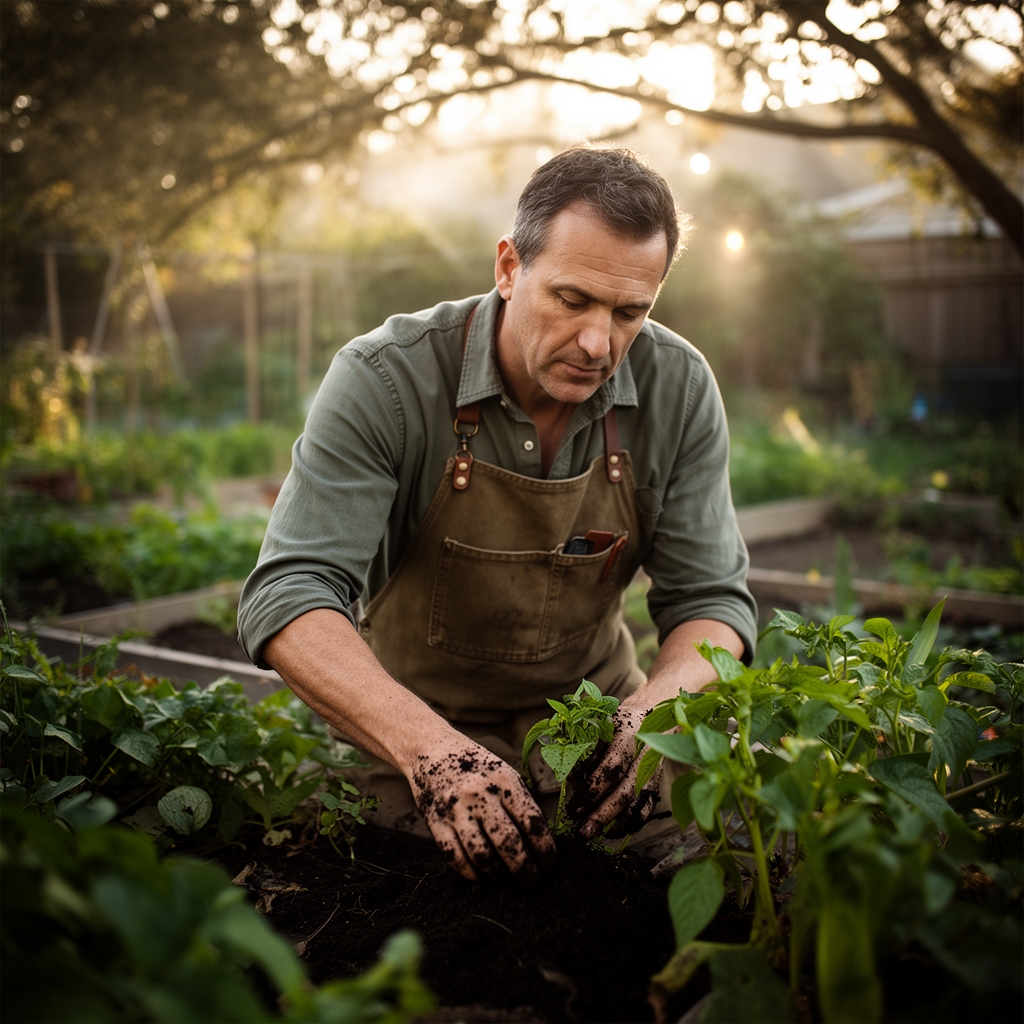
Remove warm-season crop residue entirely, including root systems, to prevent soilborne pathogen carryover. Broadfork or spading fork penetration to 12 inches fractures compaction layers without inverting horizons. Incorporate amendments uniformly to plow depth using a three-pass method: compost, granular fertilizer, then mineral amendments. Rake beds level with 2-4 inch raised crowns for drainage.
Direct-sow carrot, turnip, and radish seed at soil temperatures between 50-65 degrees. Sow lettuce and spinach in shallow furrows 0.25 inches deep, spacing rows 8 inches apart. Broadcast arugula and Asian greens, then rake lightly to incorporate. Irrigate with 0.5 inches immediately after sowing to ensure seed-to-soil contact.
Pro-Tip: Apply mycorrhizal inoculant directly in the seed furrow at 1 teaspoon per 10 row-feet. The arbuscular fungi colonize emerging radicles within 72 hours, extending phosphorus uptake capacity before root hairs develop.
Transplanting Phase
Harden off greenhouse-grown brassica transplants over 10 days by reducing water by 30% and exposing plants to outdoor temperatures for progressively longer periods. Transplant seedlings at 4-6 true-leaf stage when stem diameter reaches pencil thickness. Dig planting holes 6 inches deep, adding 1 tablespoon bone meal per hole to support root establishment.
Set transplants 0.5 inches deeper than nursery pot soil line to encourage adventitious rooting along buried stem tissue. Space broccoli and cauliflower 18 inches apart, kale 12 inches, and cabbage 15 inches. Water transplants with kelp extract solution (1 tablespoon per gallon) to stimulate auxin distribution and mitigate transplant shock.
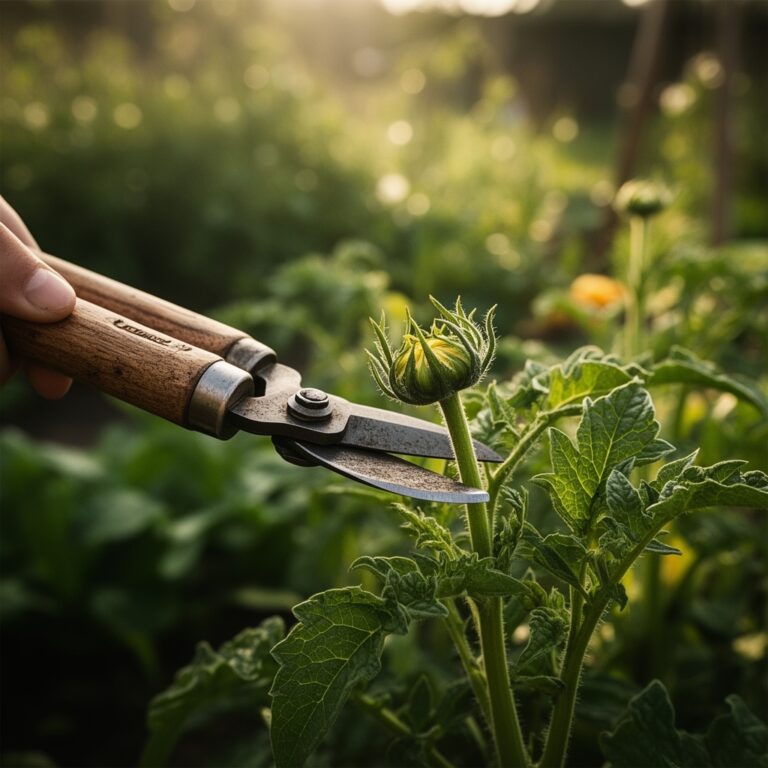
Pro-Tip: Prune transplant root balls by removing the outer 0.25 inches of circling roots with sterile shears. This practice forces new radial root production rather than continued girdling patterns.
Establishing Phase
Apply 2 inches of straw mulch around transplants after soil temperatures stabilize below 65 degrees. Earlier mulching encourages slug habitat; delayed application sacrifices moisture retention. Install drip irrigation with emitters positioned 3 inches from plant crowns. Deploy row covers when nighttime temperatures forecast below 28 degrees, creating 4-inch clearance above foliage.
Monitor soil moisture at 4-inch depth weekly using a moisture probe or the squeeze test: soil that forms a loose ball when compressed but crumbles under light finger pressure indicates optimal moisture.
Pro-Tip: Foliar-spray chelated iron (Fe-EDDHA at 0.5 oz per gallon) on brassicas every 14 days during the establishment phase. Cold soils reduce iron mobility, and prophylactic applications prevent interveinal chlorosis before symptoms appear.
Troubleshooting
Symptom: Purple or reddish foliage on brassicas within 10 days of transplanting.
Solution: Cold-induced phosphorus deficiency. Soil temperatures below 50 degrees limit phosphorus uptake. Apply liquid fish emulsion (5-1-1) at 2 tablespoons per gallon as a root drench every 7 days until foliage greens.
Symptom: Shot-hole appearance on kale and collard leaves with 2-3 mm diameter perforations.
Solution: Flea beetle feeding pressure. Apply kaolin clay (surround WP) at 4 tablespoons per gallon as a foliar barrier, reapplying after rain. Physical exclusion with insect netting (50-mesh) prevents egg-laying on soil surface.
Symptom: Damping-off in lettuce seedlings; cotyledons collapse at soil line 5-7 days post-germination.
Solution: Pythium or Rhizoctonia fungi thrive in saturated, cool soils. Reduce irrigation frequency by 50%. Drench remaining seedlings with chamomile tea (4 tablespoons dried flowers per quart, steeped 15 minutes) for mild antifungal activity.
Symptom: Bolting in spinach and lettuce 3-4 weeks after germination despite cool temperatures.
Solution: Insufficient vernalization or long-day cultivar selection. Choose bolt-resistant cultivars rated for 12-14 hour daylengths. Provide 30% shade cloth over beds to simulate shorter photoperiods.
Symptom: Cabbage heads splitting vertically within 48 hours of heavy rain.
Solution: Rapid water uptake after drought stress. Maintain consistent soil moisture at 60-70% field capacity. Twist mature cabbage plants 90 degrees to partially sever roots and slow water uptake 7-10 days before harvest.
Maintenance
Deliver 1 inch of water per week via drip irrigation in 2-3 sessions, measured with rain gauges placed at bed level. Reduce irrigation to 0.5 inches weekly once daytime temperatures remain below 50 degrees; respiration and transpiration rates decline proportionally with temperature. Side-dress leafy greens with blood meal at 1 tablespoon per plant when foliage reaches 6 inches, scratching granules into the top 2 inches of soil.
Scout for aphids on brassica undersides twice weekly. Populations below 10 aphids per leaf rarely impact yield. Dislodge colonies with a strong water spray (40 PSI) directed at leaf undersides. Harvest outer leaves of kale, chard, and collards continuously to stimulate auxin-driven apical growth. Remove yellowing basal foliage to reduce fungal inoculum and improve air circulation.
Reapply row covers after each harvest session, ensuring edges remain sealed with soil or landscape staples. Covers left loose allow heat escape and pest infiltration. Monitor soil pH monthly; winter leaching can shift pH upward in low-CEC soils. Apply elemental sulfur as corrective measure if pH rises above 7.2.
FAQ
When should I stop watering my winter garden?
Reduce irrigation when soil temperatures at 4-inch depth remain below 40 degrees for 7 consecutive days. Most winter vegetables enter semi-dormancy below this threshold, reducing transpiration by 70%. Provide 0.25 inches every 14 days during subfreezing periods if snow cover is absent.
Can I use fresh manure in fall preparation?
No. Fresh manure contains excess soluble nitrogen and potential E. coli. It burns roots and encourages leafy growth vulnerable to frost. Use only manure composted for 6 months with internal temperatures exceeding 131 degrees for pathogen kill.
How do I know when to harvest winter vegetables?
Most brassicas improve in flavor after 2-3 light frosts as starches convert to sugars. Harvest kale and collards when leaves reach 8-10 inches. Cut cabbage when heads feel firm under thumb pressure. Pull carrots when shoulders reach 0.75 inches diameter.
Do winter vegetables need fertilizer after planting?
Yes, but sparingly. Apply diluted liquid kelp (1 tablespoon per gallon) monthly to supply micronutrients without stimulating excess foliage. Avoid high-nitrogen inputs after October 15 in Zones 6-7, as soft growth lacks cold tolerance.
Should I cover my winter garden during snow?
No. Snow provides superior insulation (R-1 per inch) compared to row cover (R-0.9). The air pockets in snow moderate soil temperature swings. Remove row covers before heavy snow to prevent fabric tearing under weight, then replace after melt.