8 Steps to Prepare a Garden for a Sturdy Vertical Trellis
Damp earth releases a sharp, metallic scent as the spade breaks the surface tension of the soil. A healthy leaf maintains high turgor pressure; it feels stiff and cool to the touch, resisting the bend of a finger. To achieve this level of plant health, you must master how to prepare a garden for a trellis before the first seed hits the furrow. Vertical systems demand structural integrity and a nutrient-dense rhizosphere to support the concentrated biomass of climbing cultivars.
Success starts with mechanical stability and chemical balance. A trellis is not merely a frame; it is an extension of the plant's vascular system, providing the scaffolding necessary for maximum photosynthetic efficiency. When you learn how to prepare a garden for a trellis, you are managing the physics of wind load and the chemistry of root uptake. Soil compaction is the enemy of the vertical gardener. You need a friable substrate that allows roots to penetrate deep enough to anchor a plant that may eventually weigh thirty pounds when laden with fruit. This preparation requires a transition from surface-level thinking to a three-dimensional understanding of the garden plot.
Materials:
The foundation of a vertical garden is a friable loam with a Cation Exchange Capacity (CEC) above 15. This ensures the soil can hold and release essential nutrients. Aim for a soil pH between 6.2 and 6.8 to optimize the bioavailability of phosphorus and micronutrients.
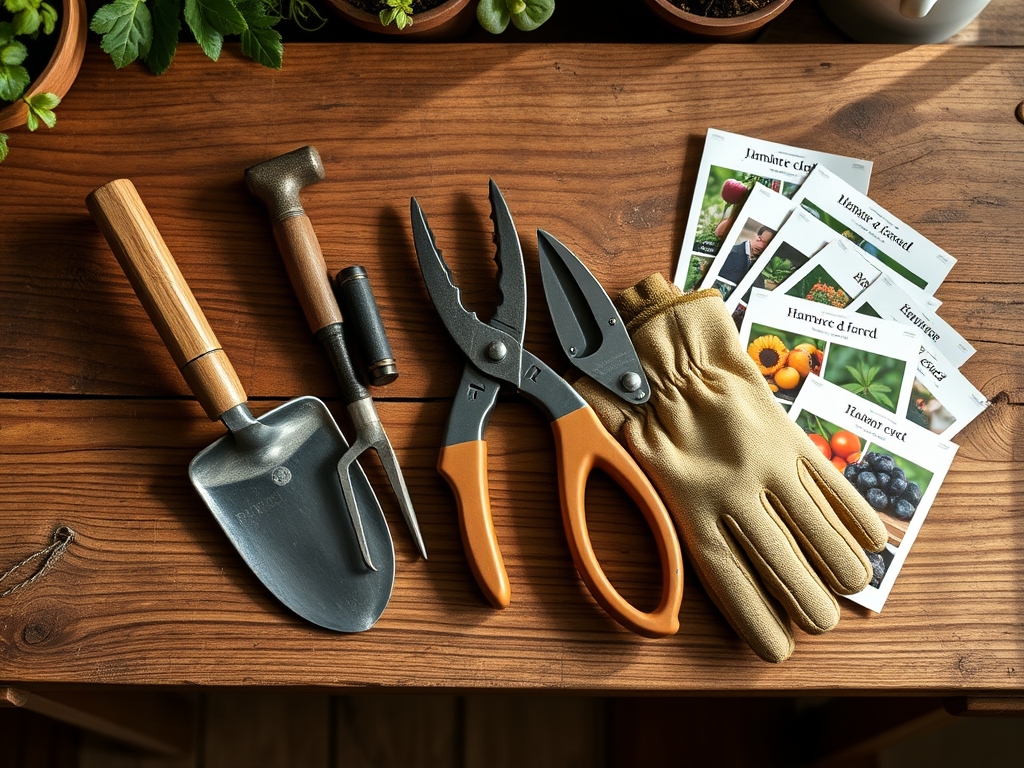
Before installation, incorporate organic matter to achieve a 5 percent organic content. Use a base fertilizer with an NPK ratio of 5-10-10 for flowering climbers or 10-10-10 for heavy-feeding leafy vines. High phosphorus (the middle number) is critical for root development and structural strength. You will also need 3/4-inch crushed stone for the base of support posts to facilitate drainage and prevent anaerobic rot at the soil line. Ensure you have 14-gauge galvanized wire or powder-coated steel mesh for the trellis itself; these materials resist the corrosive effects of high-nitrogen fertilizers and moisture.
Timing:
Vertical preparation must align with your local USDA Hardiness Zone. In Zones 5 through 7, structural installation should occur at least three weeks before the last predicted frost. This allows the soil to settle around the anchors. The "Biological Clock" of a climbing plant is governed by the photoperiod. Most vining species transition from vegetative growth to reproductive stages as day length shifts.
Prepare the site when soil temperatures consistently reach 55 degrees Fahrenheit (13 degrees Celsius). Working wet soil destroys the pore space necessary for oxygen diffusion. Use a soil thermometer to verify that the internal temperature at a 6-inch depth is stable. This timing ensures that when the plant enters its rapid elongation phase, the root system is already established in a nutrient-rich, aerated environment.
Phases:
Sowing and Site Preparation
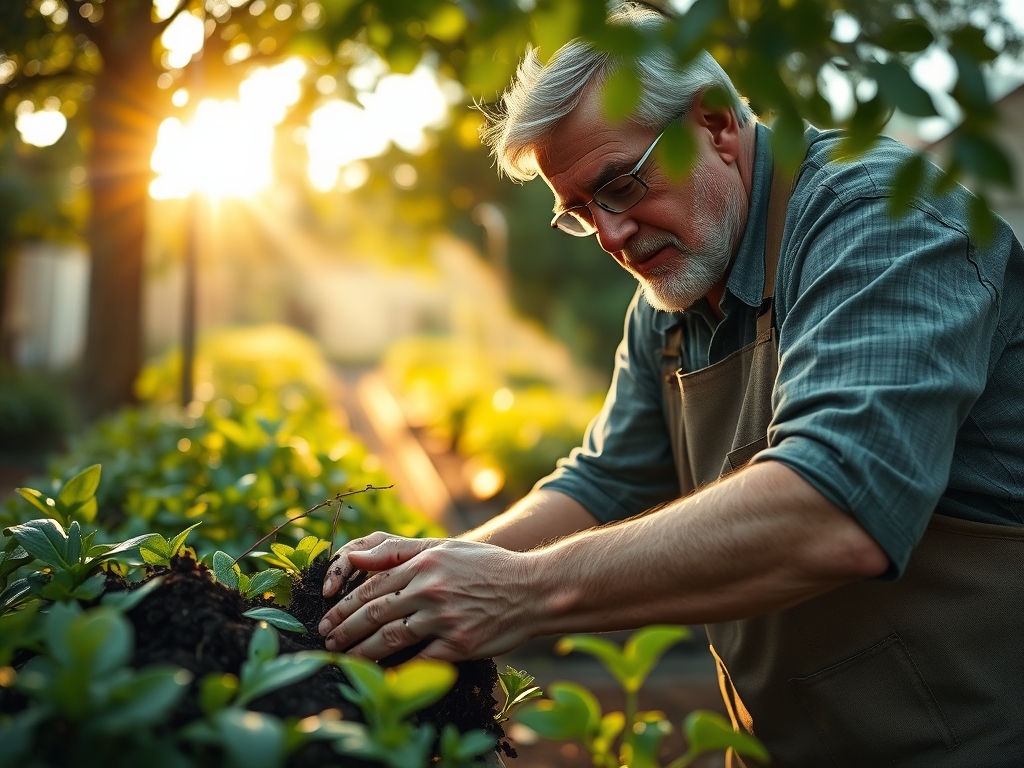
Clear all debris within a 24-inch radius of the trellis base. Dig a trench 12 inches deep and incorporate well-rotted compost. If direct-sowing, space seeds according to their mature width to prevent overcrowding, which reduces airflow and invites fungal pathogens.
Pro-Tip: Proper spacing encourages mycorrhizal symbiosis. These beneficial fungi extend the reach of the root system, increasing the surface area for water absorption by up to 100 times.
Transplanting
When moving seedlings to the trellis, minimize root disturbance to prevent transplant shock. Dig a hole twice the width of the root ball. Set the plant at the same depth it sat in its container. Firm the soil gently to remove large air pockets but do not pack it tight.
Pro-Tip: Orient the primary lead toward the trellis to utilize phototropism. The plant's natural drive toward light will guide it to the support structure, reducing the need for manual tying.
Establishing and Training
As the plant grows, use soft garden twine to secure the main stem to the trellis. Do not use wire ties directly on the plant; they can girdle the vascular tissue as the stem expands. Monitor the auxin levels in the terminal buds.
Pro-Tip: Selective pruning of lateral shoots suppresses auxin, a hormone that maintains apical dominance. This redirection of energy encourages a thicker, more resilient main vine capable of supporting heavy yields.
The Clinic:
Physiological disorders often manifest when the vertical environment is not properly managed.
- Symptom: Interveinal chlorosis (yellowing between leaf veins) on older leaves.
- Solution: This indicates Nitrogen deficiency. Apply a water-soluble 20-20-20 fertilizer to the root zone.
- Symptom: Blossom end rot (dark, leathery spots on fruit).
- Solution: This is a Calcium transport issue, often caused by inconsistent moisture. Maintain steady soil hydration to ensure calcium moves from the roots to the fruit.
- Symptom: Flagging or wilting despite moist soil.
- Solution: Check for Root Knot Nematodes or vascular wilt. Improve drainage and increase organic matter to boost beneficial microbial competition.
- Symptom: Marginal leaf burn (browning of leaf edges).
- Solution: Often caused by Potassium deficiency or salt buildup. Flush the soil with 2 inches of water and adjust the NPK balance.
Maintenance:
Precision is the hallmark of a master gardener. Provide 1.5 inches of water per week delivered at the drip line. Avoid overhead irrigation to prevent the spread of spores. Use a soil moisture meter daily to ensure the root zone stays between 60 and 80 percent field capacity.
Utilize a hori-hori knife for deep weeding near the trellis base without slicing the primary roots. Keep your bypass pruners sterilized with 70 percent isopropyl alcohol between every plant to prevent cross-contamination of pathogens. Every two weeks, inspect the tension of your trellis wires. A sagging wire can cause stem kinking, which restricts the flow of water and nutrients to the upper canopy.
The Yield:
Harvesting from a trellis requires timing based on senescence indicators. For legumes, harvest when pods are firm and seeds are barely visible. For fruiting vines like cucumbers or tomatoes, look for specific color breaks and skin tension.
Use sharp pruners to cut the pedicel; never pull the fruit, as this can damage the vine's attachment to the trellis. To maintain day-one freshness, harvest in the early morning when the plant's turgor pressure is at its peak. Immediately move the harvest to a cool, shaded area to slow the respiration rate and preserve the sugar-to-acid ratio.
FAQ:
How deep should trellis posts be buried?
Posts should be buried at least 24 inches deep or one-third of their total height. For heavy vines, use concrete or packed gravel at the base to ensure the structure survives high winds and heavy fruit loads.
Can I reuse soil from last year for a trellis?
Yes, but it must be amended. Add 2 inches of fresh compost and a balanced slow-release fertilizer. Rotate plant families annually to prevent the buildup of soil-borne pathogens and to manage nutrient depletion patterns.
What is the best material for a trellis?
Powder-coated steel or rot-resistant cedar are superior. These materials withstand the weight of mature vines and resist the moisture-heavy environment of a dense garden canopy. Avoid pressure-treated lumber that may leach chemicals into the rhizosphere.
How do I stop my trellis from leaning?
Install guy wires or angled support struts on the side opposite the prevailing wind. Ensure the base is anchored in compacted soil or gravel. Check the vertical alignment with a level during the initial installation phase.
Why are the bottom leaves of my trellised plants turning yellow?
This is often Nitrogen chlorosis or a lack of light penetration. Prune excess foliage to improve airflow and light reach. If the soil test confirms low nitrogen, apply a high-nitrogen side-dressing to stimulate new vegetative growth.