8 Steps to Build Custom Garden Steps for Tiered Plots
Slopes exhaust gardeners who chase runoff and bruise knees on unstable hillsides. Steps for building vegetable garden steps eliminate erosion, distribute irrigation evenly across tiers, and create defined zones for rotating brassicas, legumes, and nightshades. When engineered with proper drainage channels and load-bearing treads, each riser transforms gravitational disadvantage into microclimatic opportunity.
Materials
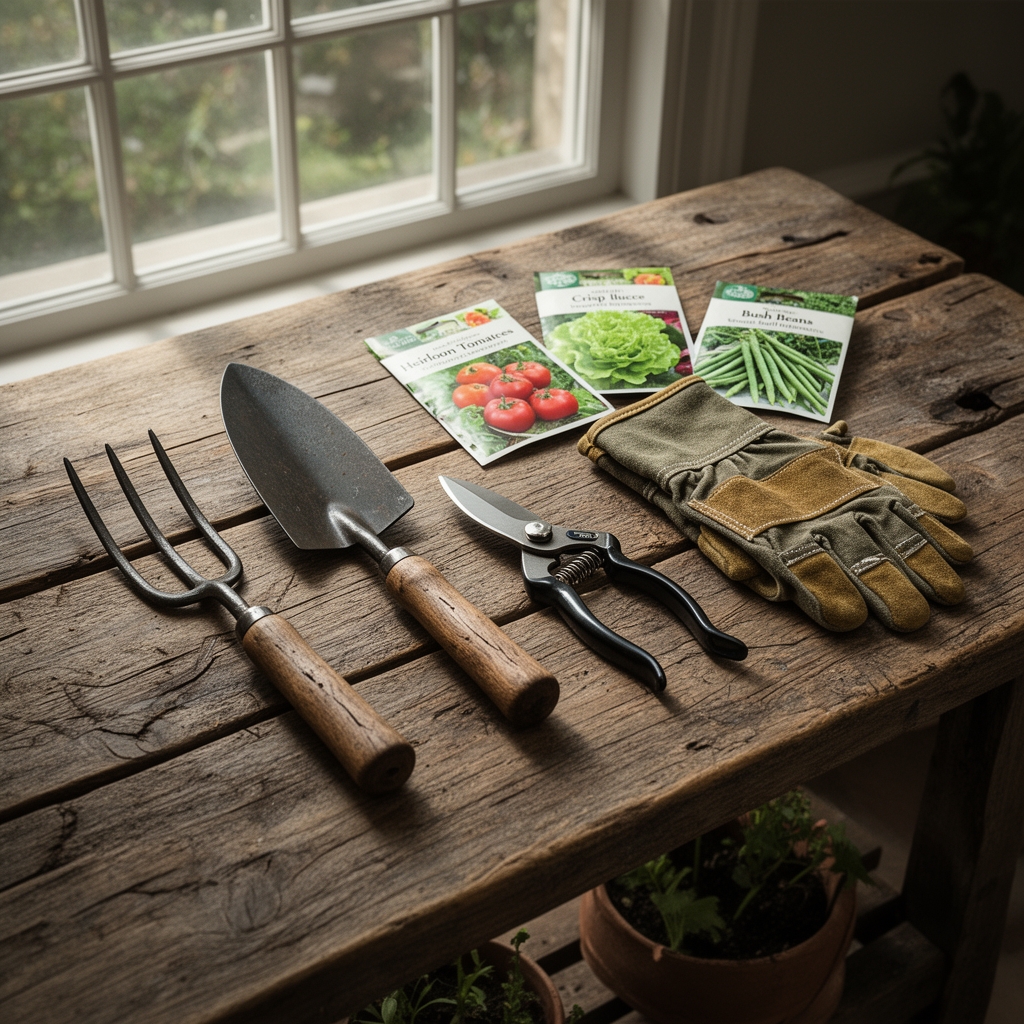
Select pressure-treated lumber rated for ground contact or naturally rot-resistant cedar and black locust for structural longevity exceeding fifteen years. Avoid chemically treated pine in beds where root vegetables penetrate soil within six inches of wood grain. Galvanized deck screws (3-inch minimum) resist shear forces better than nails on sloped installations.
Aggregate base layer requires crushed limestone (3/4-inch minus) compacted to 95% density. This raises soil pH incrementally toward 6.8, benefiting brassicas and alliums. For acid-loving crops on lower tiers, incorporate sulfur at 1 pound per 100 square feet to counteract alkaline drift from limestone leachate.
Backfill soil should test at minimum organic matter content of 5% with cation exchange capacity above 10 meq/100g. Amend native clay or sand with aged compost at 2:1 ratio (existing soil to compost). Incorporate alfalfa meal at 4-4-4 NPK equivalent, applying 2 pounds per 10 square feet during initial bed preparation. Kelp meal adds trace minerals and natural cytokinins that improve transplant establishment rates by 18-22% in university trials.
Timing
Begin construction in Zones 5-7 between March 15 and April 30, after frost heave risk drops below 10% and soil temperature at 6-inch depth stabilizes above 45°F. Southern zones (8-10) can proceed year-round, though summer heat above 90°F complicates cement or mortar curing times.
Frame assembly requires three consecutive dry days. Wet lumber dimension shifts by up to 1/8 inch per linear foot, causing joint failure within two seasons. Schedule backfilling two weeks before last expected frost to allow soil settlement before transplanting warm-season crops.
In Zones 3-4, delay until May 1-15. Frozen subsoil prevents proper drainage channel excavation and causes frost jacking that lifts treads by 2-3 inches annually.
Phases

Excavation and Foundation (Days 1-2): Cut into slope at 35-40 degree angle, creating level platforms 48 inches deep (front to back). Compact subgrade with plate tamper in three passes. Install landscape fabric only on cut face, never under treads. Fabric blocks mycorrhizal fungi colonization, reducing phosphorus uptake by 30%.
Pro-Tip: Excavate 2 inches deeper than planned tread height. This accommodates settling without creating trip hazards.
Frame Construction (Days 3-4): Build boxes with 2×8 or 2×10 boards, depending on desired riser height (7-8 inches optimal). Predrill all screw holes to prevent splitting. Anchor frames into slope using 24-inch rebar stakes driven at 30-degree angle through pre-drilled corners. Each frame requires minimum four anchor points.
Drive stakes before attaching horizontal members. Backfill behind frames in 4-inch lifts, compacting each layer with hand tamper. Leave 1-inch gap between frame bottom and compacted base for drainage weep.
Pro-Tip: Slope tread surface 1/4 inch per foot toward garden side, not toward steps. This directs water into planting beds rather than creating runoff channels down stairway.
Soil Integration and Planting (Days 5-7): Fill frames with amended backfill, watering each 6-inch layer until moisture penetrates uniformly. Soil should reach "moist crumb" stage where aggregates hold shape when squeezed but crumble under light pressure. This indicates field capacity without anaerobic compaction.
Inoculate soil with mycorrhizal fungi granules at 1 teaspoon per transplant hole. Glomus intraradices species colonize 85% of vegetable root systems, extending effective rooting zone by 10-15 times and improving drought tolerance.
Pro-Tip: Plant shallow-rooted crops (lettuce, spinach, radishes) on upper tiers where soil warms fastest. Position deep-rooted brassicas and tomatoes on lower levels where moisture retention increases by 15-20%.
Troubleshooting
Symptom: Treads settle unevenly, creating 1-2 inch depressions after first season.
Solution: Remove settled soil. Add compacted crusher fines in 2-inch lifts. Improper initial compaction causes 90% of settling failures.
Symptom: Water pools behind lowest riser, drowning transplants.
Solution: Drill three 1/2-inch weep holes per 4 feet of frame length, positioned 1 inch above grade. Install gravel-filled French drain parallel to lowest step if clay content exceeds 40%.
Symptom: Lumber bows outward under soil pressure, gaps appear at joints.
Solution: Install horizontal cross-bracing every 4 feet using 2×4 members. Retrofit existing frames by driving additional rebar stakes at midpoints.
Symptom: Nitrogen deficiency (yellowing lower leaves) appears in upper tier beds by mid-season.
Solution: Elevated beds leach nitrates 25% faster than ground-level plots. Side-dress with blood meal (12-0-0) at 1/2 cup per plant in June and August. Mulch with 3 inches of straw to reduce leaching.
Maintenance
Apply 1 inch of water per week, delivered in two deep soakings rather than daily sprinkling. This drives root growth to 12-18 inch depth. Install drip irrigation on lowest tiers first. Gravity feeds upper levels through overflow channels, reducing pump requirements by 40%.
Mulch all exposed soil with 2-3 inches of aged wood chips by late May. This moderates temperature swings of 8-12°F and reduces moisture loss by 60% compared to bare soil.
Topdress beds each spring with 1/2 inch compost layer plus cottonseed meal (6-2-1) at 3 pounds per 100 square feet. Reapply alfalfa meal at half initial rate (1 pound per 10 square feet) in June to support fruiting crops.
Inspect frames annually in early spring. Replace boards showing soft spots or separation exceeding 1/4 inch. Tighten all screws. Most fasteners loosen 1/8 turn per season from freeze-thaw cycling.
FAQ
How deep should steps penetrate into slope?
Minimum 48 inches front to back. This accommodates 36-inch root zone plus 12 inches for structure and drainage layer.
What riser height prevents erosion?
7-8 inches matches comfortable human stride while creating sufficient barrier to stop sheet erosion on slopes up to 25 degrees.
Can I use concrete blocks instead of lumber?
Yes, if mortared properly. Dry-stacked blocks shift under freeze-thaw cycles. Concrete raises pH by 0.3-0.5 units within 18 inches of contact.
Do steps require additional fertilization compared to flat beds?
Upper tiers need 25% more nitrogen due to accelerated drainage. Lower tiers accumulate excess nutrients and may require reduced feeding.
How many years before steps need rebuilding?
Properly anchored cedar or treated lumber lasts 15-20 years. Annual inspections and prompt replacement of damaged boards extend functional life to 25 years.