8 Accessible Steps to Prepare a Therapeutic Vegetable Garden
Learning how to prepare a garden for a therapeutic vegetable garden begins with soil beneath your fingernails and the scent of decomposing leaf mold rising in morning air. The practice combines horticultural precision with human wellbeing, creating spaces where physical movement, sensory engagement, and harvest predictability reduce cortisol levels while building fine motor skills. A therapeutic vegetable garden demands accessible pathways, raised beds at appropriate heights, and cultivars selected for forgiveness rather than yield maximization. Soil preparation forms the foundation. Cation exchange capacity must reach 10 meq/100g minimum to buffer pH swings and anchor nutrient availability throughout the growing season.
Materials
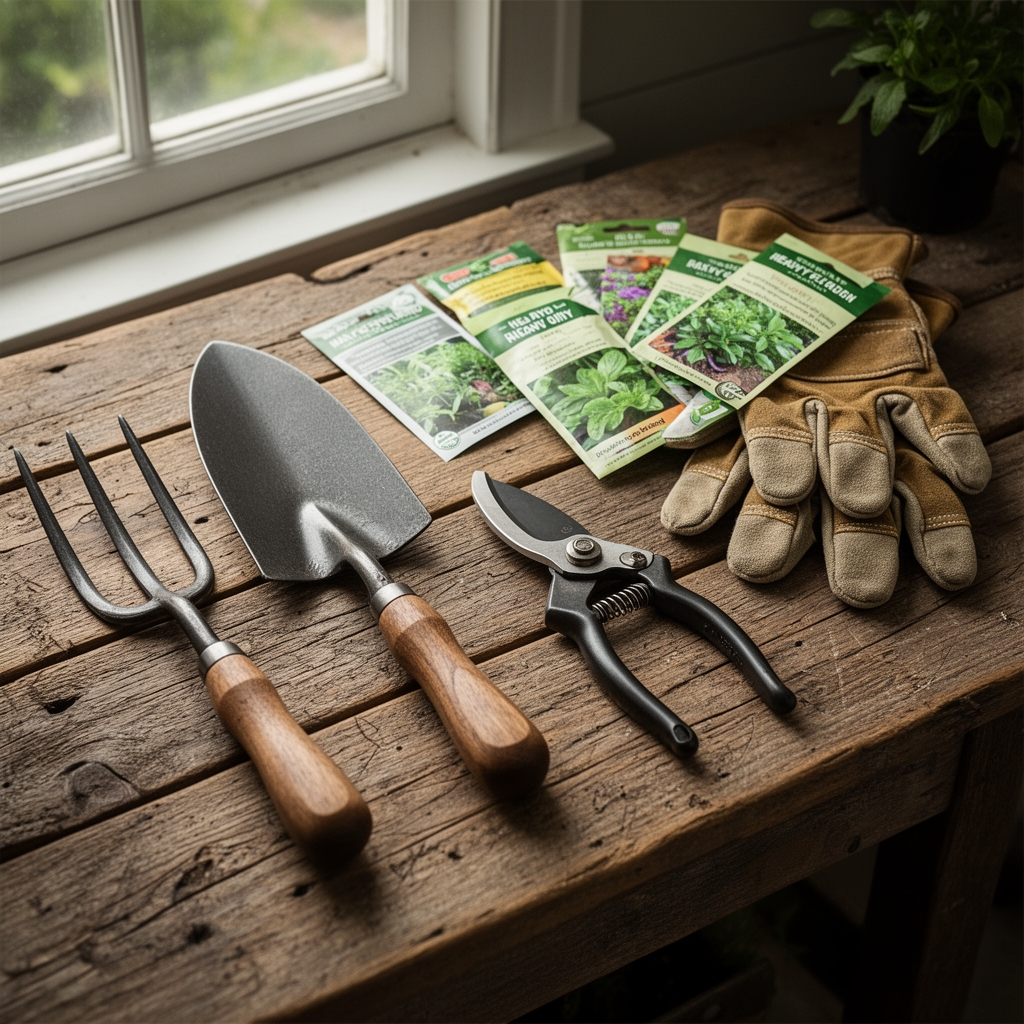
Organic amendments establish baseline fertility. Use 4-4-4 pelleted organic meal at 2 pounds per 100 square feet for sandy loam. Alfalfa meal (2.5-0.5-2.5) contributes triacontanol, a growth stimulant that accelerates cell division in leafy greens. Rock phosphate (0-3-0) raises available phosphorus slowly, ideal for root crops occupying beds for extended periods. Greensand (0-0-3) delivers potassium and up to 30 trace minerals while improving moisture retention in coarse-textured soils.
Target pH of 6.2 to 6.8 suits most therapeutic garden staples. Dolomitic limestone raises pH and supplies magnesium. Sulfur granules lower pH in alkaline regions; apply elemental sulfur at 1 pound per 100 square feet to drop pH by 0.5 units in loam. Compost with a C:N ratio of 25:1 to 30:1 adds humus without excessive nitrogen flush.
Hardware includes untreated cedar or composite lumber for raised beds 24 inches tall, allowing seated gardening. Install 48-inch-wide beds to permit reach from both sides without strain. Pea gravel or decomposed granite for pathways must be 4 feet wide to accommodate wheelchairs. Drip irrigation on timers removes the cognitive load of watering schedules.
Timing
Hardiness zones govern planting windows. Zone 5 gardeners sow cool-season crops (lettuce, spinach, peas) April 15 to May 1, after soil reaches 45°F at 4-inch depth. Warm-season transplants (tomatoes, peppers) go out May 20 to June 5, two weeks past last frost. Zone 7 shifts these dates three weeks earlier. Zone 9 establishes spring gardens in February, transitions to heat-tolerant varieties in May, then plants fall gardens in September.
Soil preparation begins four to six weeks before first planting. This interval allows microbial populations to stabilize after amendment incorporation and for mycorrhizal fungi to colonize root zones.
Phases
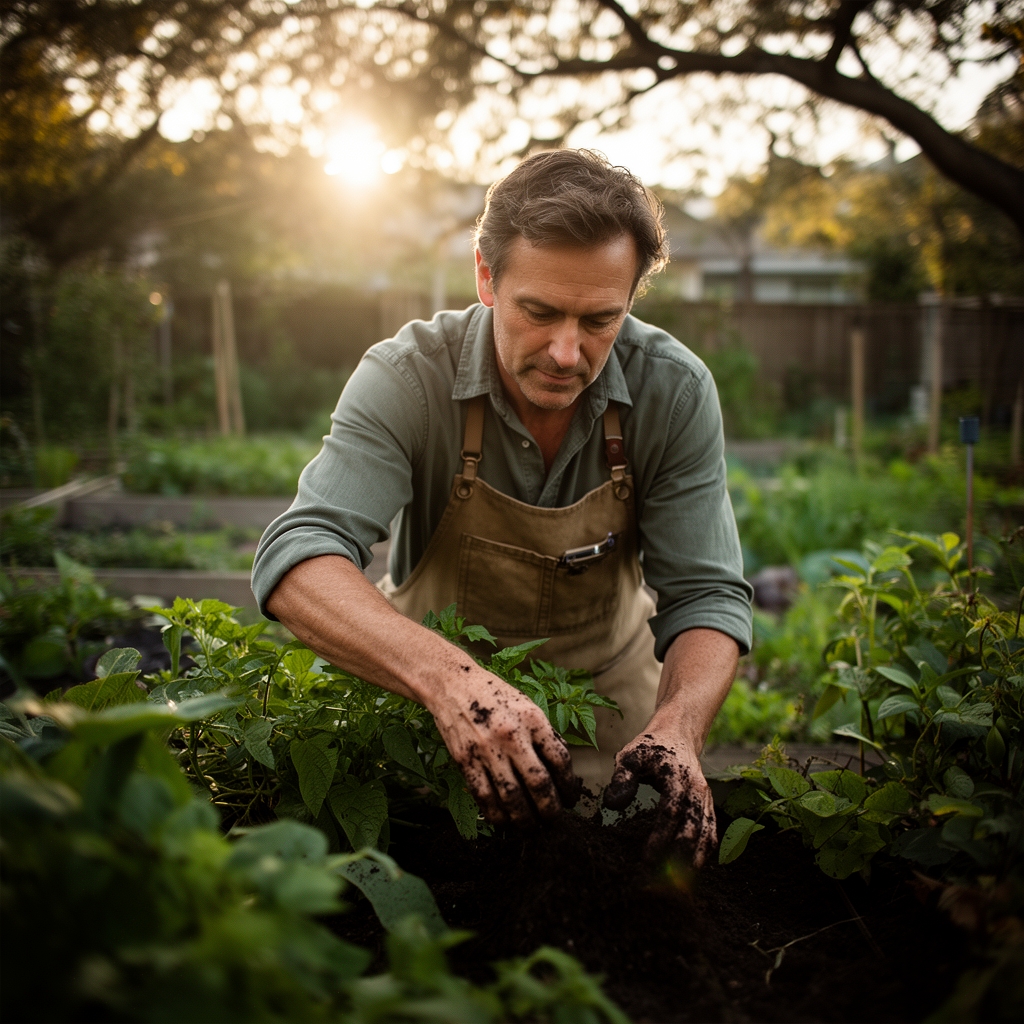
Sowing: Broadcast lettuce and mesclun mix directly into beds with 0.5 inches of compost topdressing. Furrow depth equals three times seed diameter. Bush beans and radishes tolerate hand tremors during sowing due to seed size. Succession plant every 14 days to maintain continuous harvest, which reinforces routine and provides predictable garden visits.
Pro-Tip: Coat large seeds (beans, peas, squash) with mycorrhizal inoculant powder before sowing. Glomus intraradices colonizes roots within 10 days, extending effective root surface area by 100 to 1,000 times and improving phosphorus uptake.
Transplanting: Harden off seedlings by reducing water 20 percent and exposing them to outdoor conditions for seven days. Dig holes twice the root ball width. Plant tomatoes deeply, burying stems up to first true leaves. Adventitious roots form along buried stem tissue, improving anchorage and water uptake. Space determinate tomatoes 24 inches apart, indeterminate varieties 36 inches.
Pro-Tip: Pinch tomato suckers at 45-degree angles using thumb and forefinger when shoots reach 2 inches. This method reduces vascular tissue damage and limits pathogen entry points compared to blade cuts.
Establishing: Mulch with 3 inches of shredded hardwood bark after soil warms to 60°F. Mulch suppresses weeds that compete for nutrients and create visual clutter stressful to cognitively impaired gardeners. Apply fish emulsion (5-1-1) at transplanting and again 21 days later at half-strength to support auxin distribution during vegetative growth.
Pro-Tip: Install color-coded stakes (red for tomatoes, yellow for peppers, green for cucurbits) at planting to aid memory and support independent garden navigation.
Troubleshooting
Symptom: Blossom end rot on tomatoes and peppers. Dark, sunken lesions appear on fruit bottoms.
Solution: Calcium deficiency or inconsistent watering disrupts calcium transport. Maintain soil moisture within 10 percent of field capacity. Side-dress with gypsum (calcium sulfate) at 1 pound per 10 feet of row.
Symptom: Yellowing between leaf veins (interveinal chlorosis) on tomatoes.
Solution: Magnesium deficiency in low-pH soils or potassium excess. Foliar spray 1 tablespoon Epsom salt per gallon weekly for three applications.
Symptom: Cabbage white butterfly larvae on brassicas.
Solution: Inspect leaf undersides every three days. Hand-remove larvae into soapy water. Cover plants with insect netting (0.6 mm mesh) immediately after transplanting.
Symptom: Powdery mildew on squash leaves.
Solution: Improve air circulation by pruning inner leaves. Spray 1 part milk to 9 parts water every seven days. Casein proteins disrupt fungal cell walls.
Maintenance
Water 1 inch per week, delivered in two 0.5-inch events to encourage deep rooting. Measure with rain gauge. Drip irrigation for 90 minutes delivers approximately 0.5 inches in loam.
Fertilize every 21 days with balanced liquid feed (10-10-10) at half package rate. Excess nitrogen delays fruiting and produces succulent tissue attractive to aphids.
Harvest in morning when essential oil content peaks in herbs and sugars remain high in snap peas. Use bypass pruners rather than twist-pulling to prevent stem damage and soil disturbance.
FAQ
What bed height works best for wheelchair users?
24 to 28 inches allows comfortable reach without forward lean. Test with the specific user before final construction.
Which vegetables tolerate irregular watering?
Chard, kale, and determinate tomatoes withstand brief drought. Their deep root systems access subsoil moisture.
How do you reduce pest pressure without synthetic chemicals?
Interplant marigolds (Tagetes patula) to suppress root-knot nematodes. Their alpha-terthienyl compound is toxic to nematode eggs. Release ladybugs at 1,500 per 500 square feet for aphid control.
When should soil testing occur?
Test every two years in early spring. Labs measure pH, N-P-K, and micronutrients. Extension services offer testing for $15 to $25.
Can therapeutic gardens produce meaningful yields?
Yes. A 4-by-8-foot raised bed yields 40 pounds of tomatoes, 20 pounds of beans, and continuous salad greens for one person across a 120-day season.