7 Sensory Steps to Prepare a Texture-Rich Garden for Kids
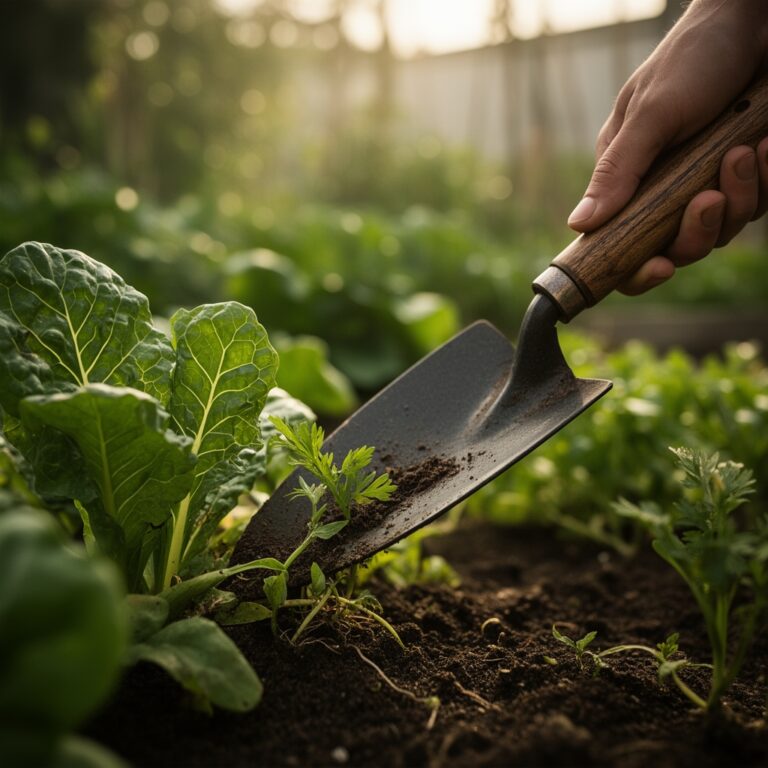
Children learn most effectively through direct contact with soil, leaf, and stem. Learning how to prepare a garden for a sensory vegetable garden begins with mapping textures across seven discrete zones, each engineered to deliver tactile contrast. Furry lamb's ear against glossy Swiss chard. Rough-skinned squash beside waxy snap peas. This preparation method treats the garden bed as a three-dimensional teaching laboratory, structured around root-zone fertility, foliar architecture, and sequential harvest windows that keep young hands engaged from April through October.
Materials
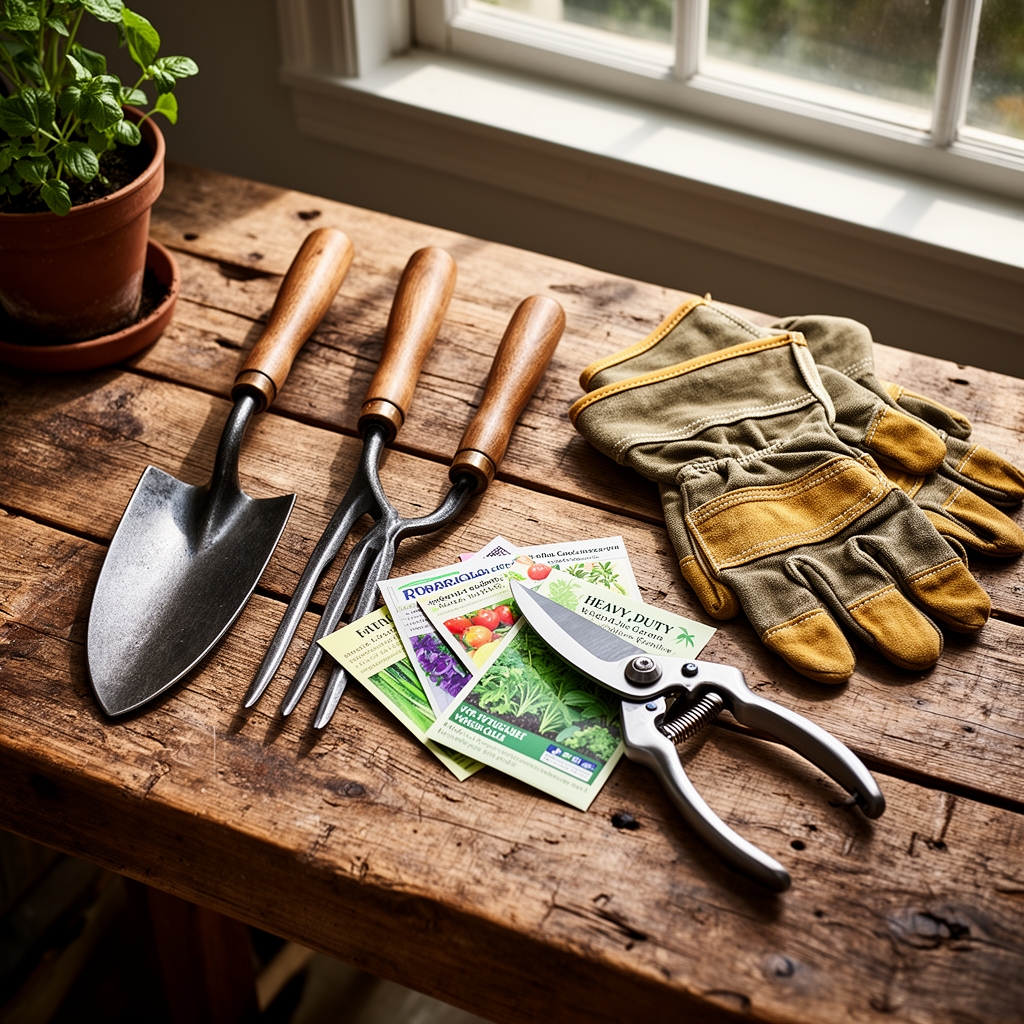
Soil amendment begins with a baseline test for pH and cation exchange capacity. Target pH 6.2–6.8 for the widest vegetable tolerance. Apply 2 cubic yards of composted hardwood bark per 100 square feet to raise organic matter to 5–7 percent. Incorporate a balanced 4-4-4 organic meal (feather meal, bone meal, kelp) at 3 pounds per 100 square feet two weeks before planting. Mycorrhizal fungi inoculant (Rhizophagus irregularis) should be dusted directly into transplant holes at 1 teaspoon per plant to accelerate phosphorus uptake in root crops like radishes and carrots.
For texture-specific zones, add 1 inch of perlite to beds designated for fuzzy-leaved plants (lamb's ear, borage). These species demand sharp drainage. Clay-heavy beds benefit from gypsum at 5 pounds per 100 square feet to improve aggregate structure without altering pH. Procure untreated cedar stakes and jute twine for trellising climbers with tendrils (peas, cucumbers). Avoid synthetic netting; children learn more from observing how tendrils coil around natural fiber.
Stock slow-release granular fertilizer with elevated phosphorus (5-10-5) for flowering edibles like nasturtiums and squash blossoms. Keep liquid kelp (0-0-1 with micronutrients) on hand for mid-season foliar feeding when leafy greens show interveinal chlorosis.
Timing
Hardiness zones dictate every sowing decision. Zone 5 gardeners prepare beds after last frost (May 10–20). Zone 7 can begin direct-sowing cool-season crops (spinach, lettuce, peas) by March 15. Zone 9 schedules heat-sensitive greens for November through February.
Soil temperature governs germination success more than air temperature. Peas germinate at 40–75°F but prefer 60°F. Beans require 60°F minimum; sow them two weeks after last frost when soil reaches that threshold 4 inches down. Use a dial thermometer at 8 a.m. for three consecutive days to confirm stable warmth.
Transplant warm-season specimens (tomatoes, peppers, basil) one week after last frost, once nighttime lows stay above 50°F. Auxin distribution in seedlings slows dramatically below that threshold, delaying establishment by ten to fourteen days.
Phases
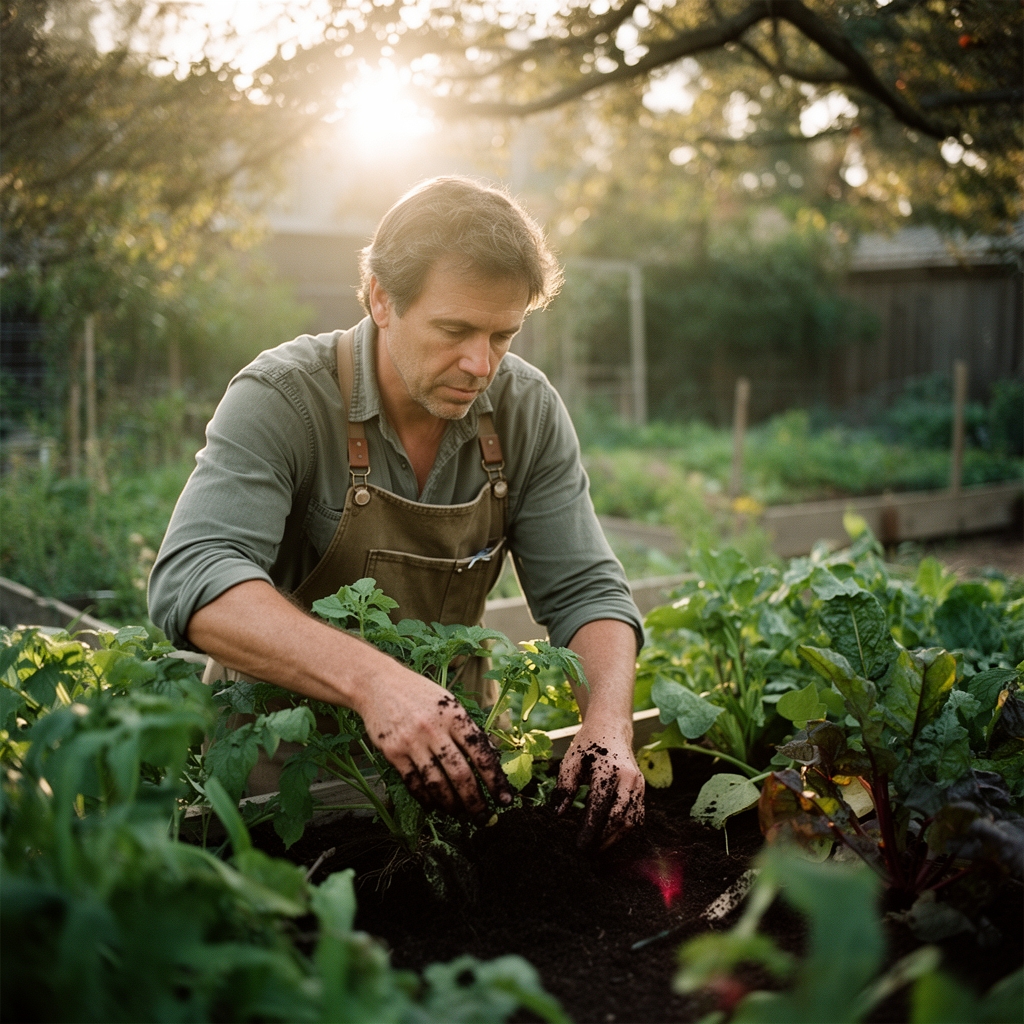
Sowing: Direct-seed radishes (24-day maturity), lettuce, and carrots in rows 6 inches apart. Scatter seeds for textured herbs like dill and cilantro in 12-inch blocks rather than rows; dense planting creates a feathery canopy children can brush their hands through. Sow sunflowers along the north edge at 12-inch spacing to prevent shading. Their coarse stalks and sandpaper leaves provide high-contrast touch points.
Pro-Tip: Soak pea seeds in compost tea for four hours before sowing. The bacterial coating accelerates germination by 20 percent and introduces beneficial Bacillus subtilis to the rhizosphere.
Transplanting: Set tomato transplants 24 inches apart, burying stems up to the first true leaves. Adventitious roots form along buried stem tissue, strengthening drought tolerance. Position fuzzy-leaved basil and velvety celosia in the warmest microclimate (south-facing, heat-reflective wall). Install cucumber transplants at the base of an A-frame trellis angled at 60 degrees; this slope makes tendrils easy for short arms to reach.
Pro-Tip: Pinch the apical meristem on basil transplants 48 hours after planting. This redirects auxin to lateral buds, producing bushier plants with more touchable leaf surface area.
Establishing: Mulch paths between beds with 3 inches of shredded straw to suppress weeds and define tactile boundaries. Plant lamb's ear and wooly thyme as edging; children instinctively touch border plants. Water transplants with diluted fish emulsion (5-1-1 diluted to half-strength) every seven days for three weeks. This nitrogen pulse supports rapid leaf expansion without promoting leggy growth.
Pro-Tip: Introduce nematode-parasitizing fungi (Pochonia chlamydosporia) in carrot rows at transplant. Apply as a soil drench at labeled rates to suppress root-knot nematode populations organically.
Troubleshooting
Symptom: Powdery white coating on squash leaves, especially upper surfaces.
Solution: Powdery mildew thrives in high humidity with poor air circulation. Prune lower leaves to open the canopy. Spray with 1 tablespoon baking soda plus 1 teaspoon insecticidal soap per quart of water weekly.
Symptom: Holes in brassica leaves (kale, broccoli) with green caterpillars present.
Solution: Cabbage loopers. Apply Bacillus thuringiensis var. kurstaki (Btk) at dusk when caterpillars feed. Reapply after rain. Btk is harmless to humans and decomposes within 48 hours.
Symptom: Tomato blossom-end rot (black, sunken spot on fruit base).
Solution: Calcium deficiency triggered by inconsistent watering. Mulch with 2 inches of straw to stabilize soil moisture. Water deeply twice weekly rather than daily shallow irrigation.
Symptom: Lettuce bolting prematurely (flower stalk emergence).
Solution: Heat stress above 75°F. Provide 40 percent shade cloth during hottest months. Select slow-bolt varieties (Jericho, Muir) for summer production.
Symptom: Aphid clusters on pepper terminals and leaf undersides.
Solution: Spray with insecticidal soap (potassium salts of fatty acids) at 2 tablespoons per quart. Coat undersides thoroughly. Introduce convergent lady beetles at 1,500 per 500 square feet for biological control.
Maintenance
Water 1 inch per week measured with a rain gauge. Deep, infrequent watering forces roots downward. Drip irrigation on a timer (30 minutes at dawn, three times weekly) outperforms overhead sprinklers by reducing foliar disease.
Side-dress heavy feeders (tomatoes, squash, cucumbers) with compost at 1 inch depth every four weeks. Rake compost gently into the top 2 inches of soil without disturbing feeder roots.
Prune indeterminate tomatoes to one or two leaders. Remove suckers (shoots emerging from leaf axils) when they reach 2 inches. This concentrates photosynthate into fruit rather than vegetative mass.
Harvest textured crops at peak: okra pods at 3 inches (fuzzy), cucumber at 6 inches (warty), radish at 1 inch diameter (crisp). Demonstrate proper harvest technique by twisting rather than pulling to avoid root disturbance.
FAQ
When is soil warm enough for bean seeds?
60°F at 4-inch depth, measured for three consecutive mornings. Use a soil thermometer, not air temperature.
Which vegetables have the most interesting textures for children?
Lamb's ear (fuzzy), dinosaur kale (bumpy), lemon cucumber (round and pale), okra (velvety pods), and sunflower stalks (rough).
How do I prevent my sensory garden from looking messy?
Define beds with 4-inch cedar edging. Mulch paths with uniform straw. Group plants by height: low herbs in front, trellised climbers in back.
Can I grow a sensory vegetable garden in partial shade?
Yes. Prioritize leafy greens (lettuce, spinach, kale) and herbs (mint, parsley) that tolerate four to six hours of sun. Avoid fruiting crops like tomatoes and peppers.
What is the best mulch for a children's garden?
Shredded straw. It is soft underfoot, suppresses weeds, retains moisture, and decomposes into organic matter. Avoid dyed mulch or cocoa hulls, which can be toxic if ingested.