7 Essential Steps to Repot a Money Tree for Proper Drainage
Damp earth smells of geosmin and fungal activity; it is the scent of a functioning rhizosphere. A healthy Pachira aquatica maintains high turgor pressure in its palisade mesophyll cells, resulting in leaves that feel firm and resilient rather than flaccid. When the root mass begins to circle the interior of the pot, it displaces the substrate and reduces oxygen availability. Mastering the steps for repotting a money tree ensures that the plant avoids the physiological stress of being root-bound. Proper drainage is the primary defense against anaerobic pathogens that thrive in saturated conditions. You must monitor the plant for signs of slowed growth or water sitting on the surface of the soil for more than ten seconds. These indicators signal that the current medium has compacted and lost its porosity. Successful repotting requires a precise understanding of the plant's metabolic needs and the physical properties of the new substrate. By following a technical protocol, you can facilitate rapid root establishment and maintain the vascular integrity of the specimen.
Materials:
The substrate is the foundation of the plant's health. For Pachira aquatica, you require a friable loam with a high sand or perlite content to ensure a drainage rate of at least 1 inch per hour. The ideal soil pH ranges from 6.0 to 7.5. A slightly acidic to neutral environment optimizes the availability of micronutrients like iron and manganese.
Your nutrient profile should focus on a balanced NPK ratio. For the initial transplant phase, use a slow-release fertilizer with a 10-10-10 or 20-20-20 ratio. High nitrogen (N) supports vegetative growth and chlorophyll production. Phosphorus (P) is critical for root development and cellular energy transfer. Potassium (K) regulates stomatal opening and water use efficiency.
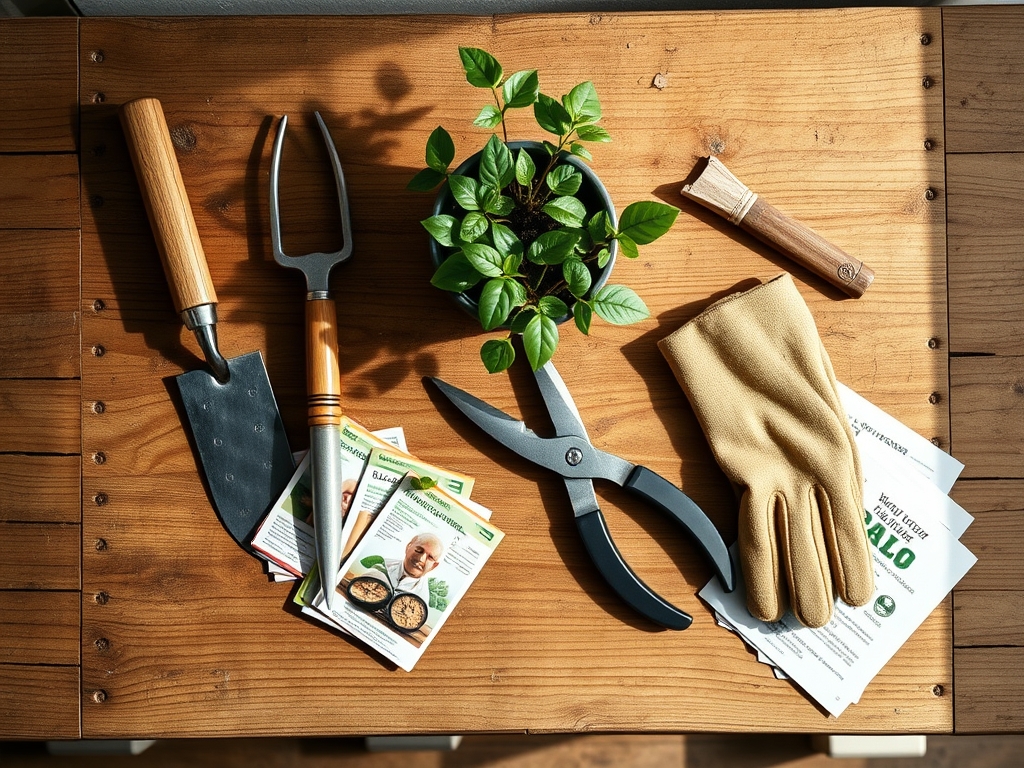
Select a container that is 2 inches wider than the current root ball. Ensure it features at least three drainage holes. Materials like terracotta are preferred for their porosity, which allows for gas exchange between the rhizosphere and the external atmosphere. You will also need a soil moisture meter and a hori-hori knife for root manipulation.
Timing:
Pachira aquatica is native to tropical wetlands and thrives in Hardiness Zones 10 through 12. In these regions, the plant can remain outdoors year-round. For indoor specimens in cooler zones, the biological clock dictates that repotting should occur during the transition from late winter to early spring. This window aligns with the end of the plant's semi-dormant phase and the beginning of the active vegetative stage.
Perform the procedure approximately two to four weeks before the last expected frost date in your region. This timing leverages the plant's natural surge in auxin production. Auxins are hormones that promote cell elongation and root initiation. By repotting as the photoperiod increases, you provide the plant with the solar energy required to repair damaged root tissues and colonize the new substrate before the high-heat stress of mid-summer arrives.
Phases:
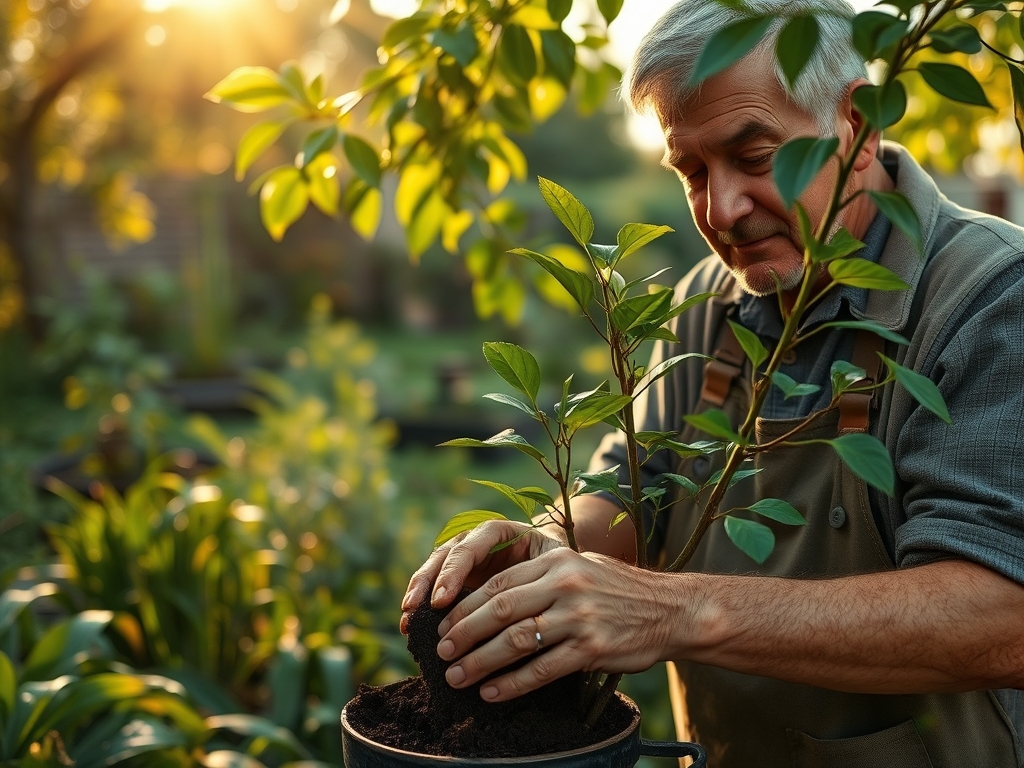
Sowing the Foundation
Begin by preparing the new container. Place a layer of coarse aggregate or a mesh screen over the drainage holes to prevent substrate loss. Fill the bottom 25 percent of the pot with your prepared loam. Lightly compress the soil to remove large air pockets while maintaining a bulk density that allows for capillary action.
Pro-Tip: Maintaining soil porosity is vital because it preserves the oxygen diffusion rate. Roots require oxygen for cellular respiration; without it, the plant cannot synthesize the ATP needed for active nutrient uptake.
Transplanting with Precision
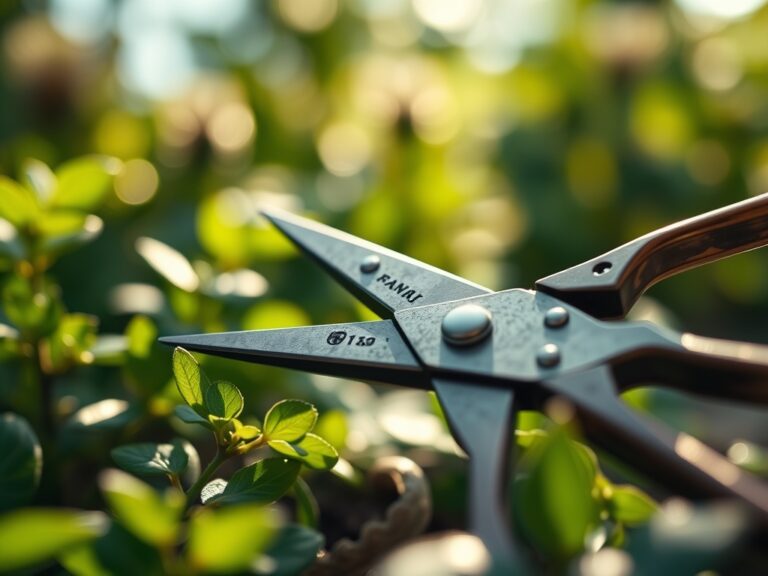
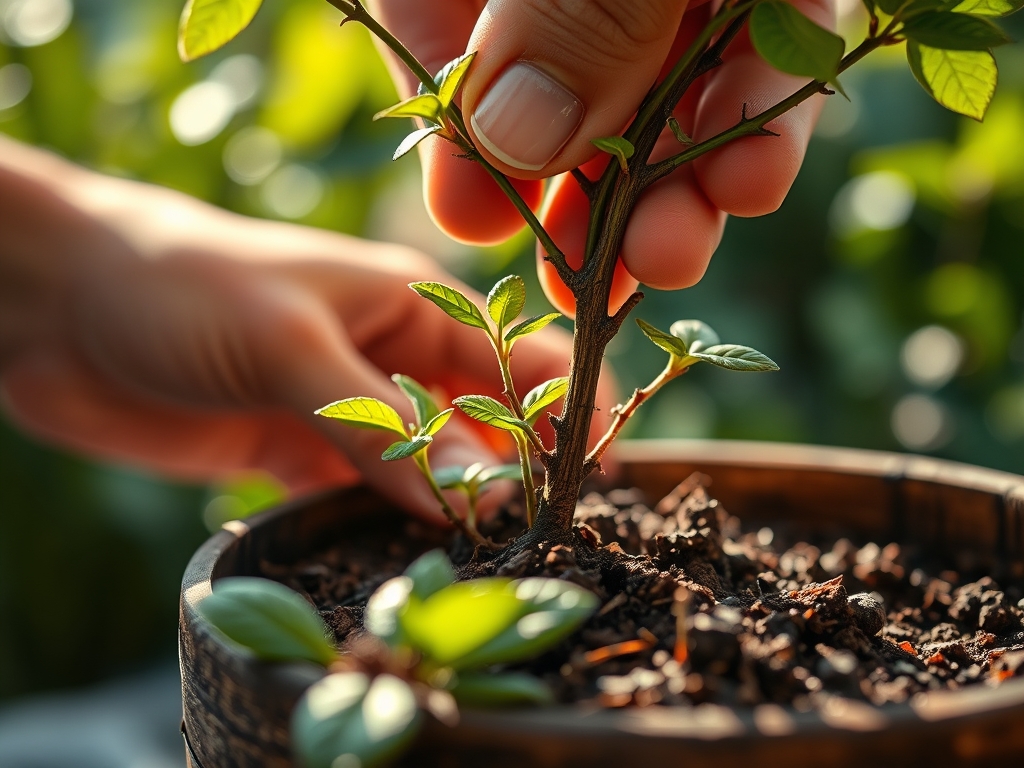
Gently remove the money tree from its current vessel. If the plant is stuck, slide a hori-hori knife around the inner perimeter to sever any suction. Inspect the root system for circling roots. Use bypass pruners to make clean, vertical snips in the root mass. This stimulates the growth of lateral roots, which are more efficient at absorbing water and minerals.
Pro-Tip: Pruning the roots triggers a localized auxin suppression followed by a rapid rebound. This hormonal shift encourages the plant to branch its root system, increasing the total surface area for nutrient absorption.
Establishing the Specimen
Center the plant in the new pot. The top of the root ball should sit 1 inch below the rim of the container. Fill the lateral gaps with substrate, tapping the sides of the pot to settle the soil. Avoid burying the trunk deeper than its original level, as this can lead to stem rot. Water the plant until liquid flows freely from the drainage holes.
Pro-Tip: Immediate watering after transplanting ensures hydraulic conductivity between the old root ball and the new soil. This prevents the roots from desiccating and facilitates the movement of beneficial microbes through the medium.
The Clinic:
Physiological disorders often manifest as visual cues on the foliage. Identifying these early allows for rapid intervention.
- Symptom: Interveinal Chlorosis. The leaves turn yellow while the veins remain green.
Solution: This indicates a magnesium or iron deficiency. Check the soil pH. If the pH is above 7.5, micronutrients become "locked" and unavailable. Lower the pH using elemental sulfur or chelated iron drench. - Symptom: Leaf Tip Burn. The distal ends of the leaves turn brown and brittle.
Solution: This is often caused by salt accumulation from synthetic fertilizers. Flush the substrate with three volumes of water relative to the pot size to leach out excess sodium and minerals. - Symptom: Epinasty (Downward Curving). Leaves appear heavy and curl toward the stem.
Solution: This is a classic sign of overwatering and low oxygen in the rhizosphere. Increase the perlite content in your soil mix to improve the Cation Exchange Capacity (CEC) and aeration. - Fix-It for Nitrogen Chlorosis: If the oldest leaves turn uniformly pale green or yellow, the plant is scavenging nitrogen for new growth. Apply a liquid fertilizer with a high N-value (30-10-10) at half strength to restore chlorophyll density.
Maintenance:
Post-repotting care requires technical precision. Use a soil moisture meter to ensure the substrate is dry to a depth of 2 inches before re-watering. Generally, provide 1.5 inches of water per week, delivered slowly to ensure deep penetration.
Position the plant where it receives 6 to 8 hours of bright, indirect light. Direct solar radiation can lead to photo-inhibition and leaf scorch. Use bypass pruners to remove any dead or senescing foliage; this redirects metabolic energy to the apical meristems. Monitor the ambient humidity; Pachira aquatica prefers levels between 45 and 60 percent. If the air is too dry, the transpiration rate will exceed the root's ability to pull moisture, leading to wilt.
The Yield:
While Pachira aquatica is primarily grown for its structural aesthetics, its health is measured by the "yield" of new canopy growth. A successful repotting will result in the emergence of new five-lobed leaves within 21 to 30 days. To maintain "day-one" freshness, wipe the leaves with a damp cloth every two weeks. This removes dust that can block stomata and reduce the rate of photosynthesis. If you are pruning for size control, do so during the active growing season and use sterilized tools to prevent the introduction of pathogens into the vascular system.
FAQ:
How do I know if my money tree needs repotting?
Check for roots protruding from drainage holes or water sitting on the soil surface. If growth stalls despite proper fertilization, the plant is likely root-bound. Repotting every two years is standard for maintaining optimal soil structure and nutrient availability.
What is the best soil for a money tree?
Use a well-draining mixture with a pH of 6.0 to 7.5. A blend of two parts peat moss, one part perlite, and one part coarse sand provides the necessary porosity and moisture retention for healthy root respiration.
Can I use a pot without drainage holes?
No. Lack of drainage leads to waterlogging and anaerobic conditions. This causes root rot and prevents the plant from performing gas exchange. Always use a vessel with functional drainage to protect the rhizosphere from pathogen colonization.
How much larger should the new pot be?
Select a container that is 2 inches larger in diameter than the current one. A pot that is too large can hold excess moisture that the root system cannot absorb, leading to soil saturation and potential root decay.