6 Watering Steps to Treat Edema in Indoor Plants
The smell of damp earth signals a healthy rhizosphere; however, when leaf turgor turns into cellular rupture, the plant is suffering from physiological distress. Edema occurs when a plant absorbs water faster than it can transpire it through its stomata. This imbalance causes cells to swell and burst, leaving corky, scarred lesions on the underside of foliage. Implementing specific Steps for treating edema by adjusting watering is the primary method for stabilizing internal osmotic pressure and restoring cellular integrity.
Materials:
Substrate selection is the foundation of moisture management. Use a friable loam with a **Cation Exchange Capacity (CEC) of 15 to 25 meq/100g** to ensure nutrient retention without waterlogging. The ideal soil pH for most indoor species susceptible to edema (such as Ficus or Pelargonium) ranges from **6.0 to 6.8**.
For nutrient management, avoid high-nitrogen fertilizers that force rapid, soft cell growth. Use a low-nitrogen, high-potassium formula with an NPK ratio of 5-10-15. Potassium is critical here; it regulates stomatal opening and closing, which directly impacts transpiration rates. Ensure the mix includes perlite or coarse sand to maintain a porosity level of 20 percent, allowing oxygen to reach the roots and preventing anaerobic conditions that lead to root rot.
Timing:
Indoor environments are shielded from Hardiness Zone fluctuations, yet plants still follow a biological clock dictated by light intensity and duration. In Zones 5 through 7, indoor humidity spikes during late autumn when heaters are first engaged, then drops sharply in mid-winter. The most dangerous window for edema is the transition from the vegetative stage to the dormant stage. During this period, the plant's metabolic rate slows, but its water intake often remains high due to habitual overwatering. Monitor the photoperiod; as daylight drops below 10 hours per day, reduce watering frequency by 40 percent to match the decreased transpiration demand.
Phases:

Sowing and Initial Hydration
When starting seeds or cuttings, maintain a consistent moisture level without saturation. Use a heat mat to keep the substrate at 70 degrees Fahrenheit. This temperature encourages root respiration and efficient water uptake.
Pro-Tip: Maintain high soil temperatures to increase the kinetic energy of water molecules. This facilitates faster movement through the xylem, preventing the "backlog" of moisture in the leaf tissues that causes cell rupture.
Transplanting into Porous Media
Move plants into containers that provide at least two inches of clearance around the root ball. Use unglazed terracotta pots. The porous nature of clay allows for lateral evaporation through the pot walls, which lowers the hydrostatic pressure within the plant's vascular system.
Pro-Tip: Introduce mycorrhizal fungi during transplanting. This symbiotic relationship increases the surface area of the root system, allowing for more controlled and efficient water distribution throughout the plant.
Establishing the New Cycle
Once the plant is situated, implement a "soak and dry" routine. Do not water until the top two inches of soil are dry to the touch. This encourages the roots to grow deeper into the pot in search of moisture, strengthening the overall architecture of the plant.
Pro-Tip: Use a fan to provide constant air circulation. This increases the vapor pressure deficit (VPD) around the leaves, which pulls water through the plant via the "transpiration pull" mechanism, effectively venting excess internal moisture.
The Clinic:
Physiological disorders often mimic fungal infections, but their treatments differ significantly.
Symptom: Interveinal Chlorosis
- Solution: This is often a sign of Magnesium deficiency. Apply a foliar spray of Epsom salts (1 tablespoon per gallon) to restore chlorophyll production.
- Fix-It: Check the pH. If the substrate is below 5.5, Magnesium becomes chemically locked and unavailable to the plant.
Symptom: Leaf Tip Burn
- Solution: This indicates salt accumulation from synthetic fertilizers. Flush the soil with three times the volume of the pot using distilled water to leach out excess salts.
- Fix-It: Switch to organic-based fertilizers with a lower salt index to protect the sensitive root hairs.
Symptom: Abscission (Leaf Drop)
- Solution: Sudden drops in temperature or light. Ensure the plant is not in the path of an air conditioning vent or a drafty window.
- Fix-It: Maintain a consistent temperature range between 65 and 75 degrees Fahrenheit to prevent thermal shock.
Maintenance:
Precision is the difference between a surviving plant and a thriving one. Use a soil moisture meter to verify that the root zone is at a "Level 3" or "4" before adding water. For larger indoor specimens, apply approximately 1.5 inches of water directly to the soil surface, avoiding the foliage.
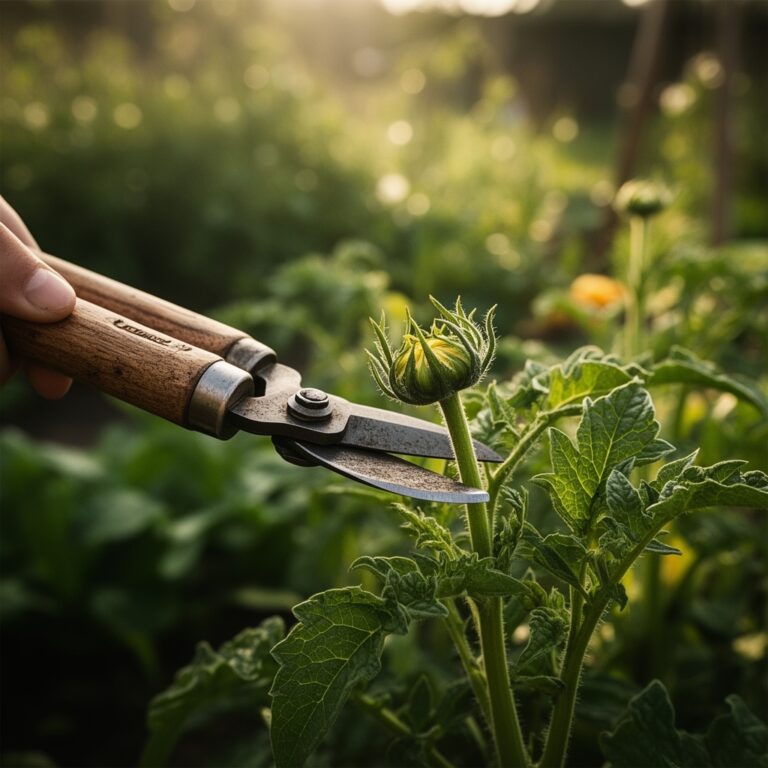
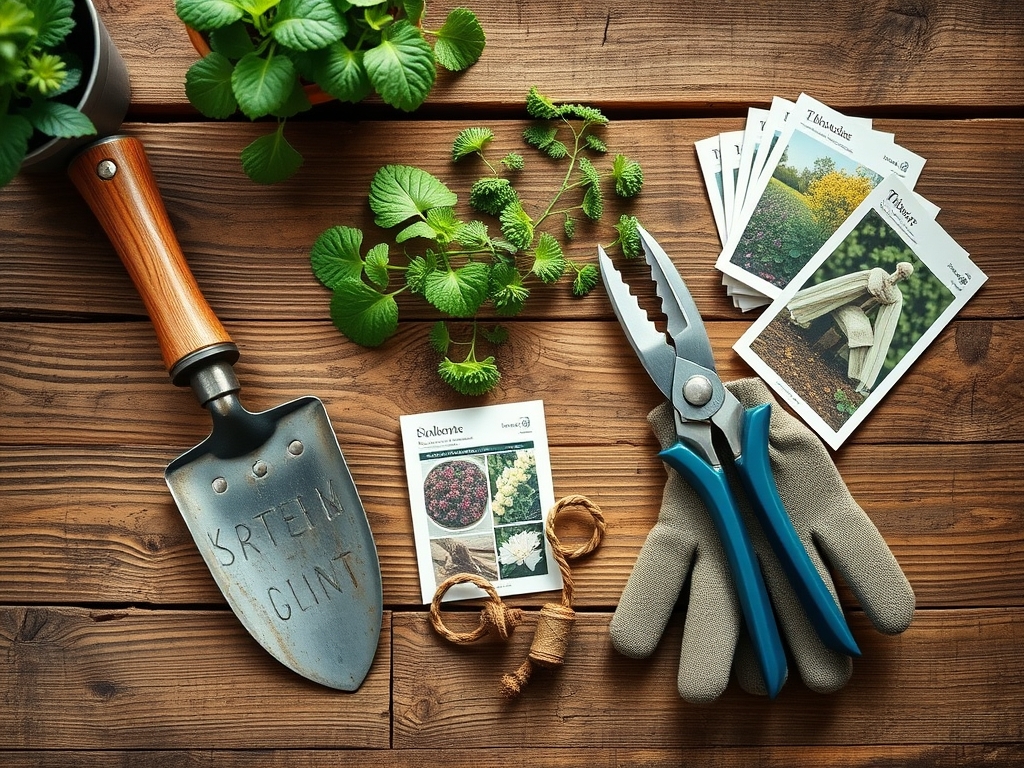
Keep a hori-hori knife on hand to occasionally probe the soil; if the blade comes up with thick, muddy clay, the drainage holes are likely blocked. Use bypass pruners to remove any leaves that have more than 50 percent edema scarring. These leaves are no longer efficient at photosynthesis and act as a "sink" for resources that the plant could use for new, healthy growth. Clean your tools with 70 percent isopropyl alcohol between plants to prevent the spread of opportunistic pathogens.
The Yield:
While edema primarily affects foliage plants, it can ruin the aesthetics of indoor flowering species like Orchids or Begonias. To ensure "day-one" freshness for indoor blooms, harvest flowers early in the morning when the plant is at maximum turgidity. Cut the stems at a 45-degree angle and immediately submerge them in water treated with a floral preservative. This prevents air embolisms in the xylem, allowing the flower to continue drawing water and maintaining its structural form for up to 10 days.
FAQ:
Can edema scars be cured on existing leaves?
No. Once the cell walls have ruptured and formed corky scar tissue, the damage is permanent. Focus on the new growth by adjusting the watering schedule and increasing light and airflow to prevent future occurrences.
How does humidity affect edema in indoor plants?
High humidity reduces the rate of transpiration. If the air is saturated, the plant cannot release water vapor through its stomata. This causes internal pressure to build, leading to the cellular bursting characteristic of edema.
Is edema contagious to other plants in my home?
No. Edema is a physiological disorder, not a biotic disease caused by fungi or bacteria. However, the environmental conditions causing edema in one plant—such as low light and overwatering—will likely affect nearby plants of the same species.
What is the fastest way to stop edema?
Immediately increase light exposure and air circulation. Stop watering until the substrate is dry at a depth of two inches. These actions increase the transpiration rate and allow the plant to process the excess water currently in its tissues.