6 Safety Steps to Treat Thrips with Spinosad
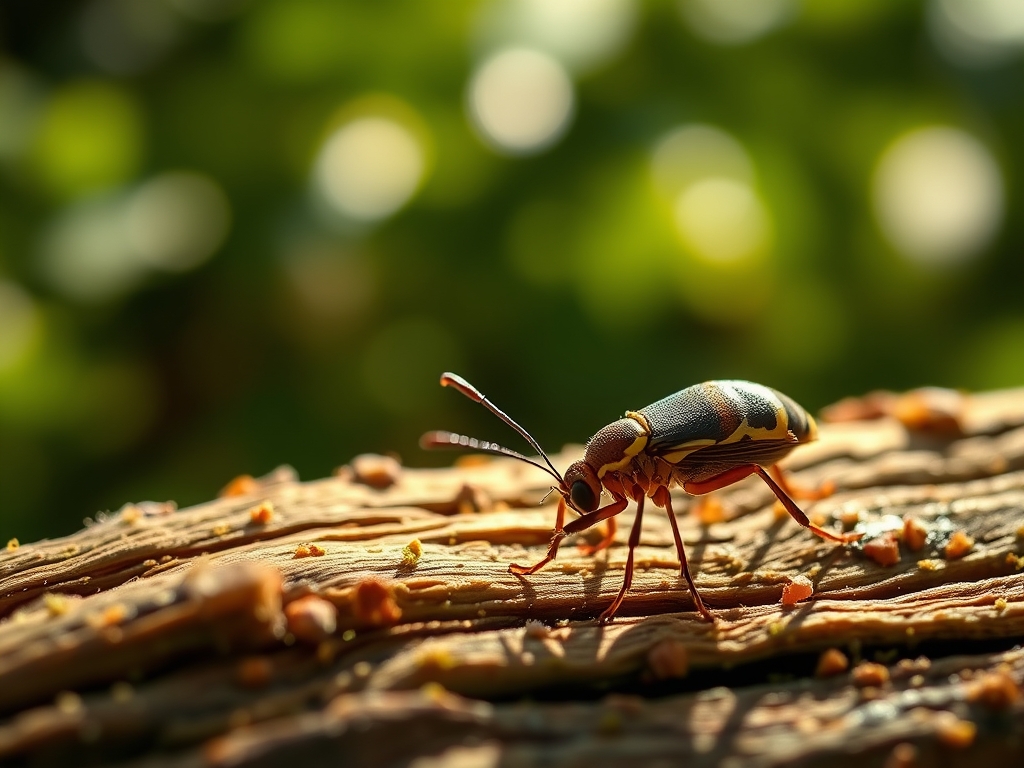
Thrips damage appears first as silver stippling on leaf surfaces, then spreads into bronzed, distorted tissue that stunts photosynthetic capacity by up to 40 percent. These rasping insects multiply rapidly in temperatures between 77 and 86 degrees Fahrenheit, producing a new generation every 14 days under optimal conditions. Steps for treating thrips with Spinosad demand precision timing and coverage techniques that target both adult and larval stages while preserving beneficial insect populations that maintain garden equilibrium.
Materials
Spinosad Concentrate (OMRI-Listed)
Select formulations containing 44.2 percent active Spinosad, derived from Saccharopolyspora spinosa fermentation. Mix at 2 tablespoons per gallon of water with pH adjusted to 6.0–7.0 for maximum efficacy. Hard water above 300 ppm total dissolved solids reduces binding efficiency by 30 percent.

Spray Equipment
Compression sprayers with adjustable nozzles delivering 40–60 psi ensure droplet size between 200–400 microns. This range optimizes leaf coverage without runoff. Backpack sprayers with stainless steel wands reach undersides of foliage where thrips larvae concentrate.
Surfactant (Non-Ionic)
Add 1 teaspoon per gallon to reduce surface tension below 30 dynes per centimeter. This allows solution to penetrate waxy cuticles on Brassica and Solanaceae family plants.
pH Testing Strips
Verify spray solution remains between 6.0–7.0. Alkaline water above pH 8.0 degrades Spinosad within 2 hours of mixing.
Personal Protective Equipment
Nitrile gloves, safety glasses, and long sleeves prevent dermal exposure during application and for 4 hours post-treatment as solution dries.
Timing
Apply treatments when thrips populations exceed 5 insects per leaf sample across three monitoring points. Hardiness Zone 5 and 6 gardeners should begin weekly scouting in late May when soil temperatures stabilize above 60 degrees Fahrenheit. Zone 7 through 9 regions require surveillance starting mid-April as overwintering thrips emerge from leaf litter.
Spinosad works optimally when air temperature ranges between 60 and 85 degrees Fahrenheit. Early morning applications between 6:00 and 9:00 a.m. allow 2–3 hours of drying time before temperatures exceed 75 degrees. Afternoon treatments risk rapid evaporation that concentrates active ingredients into phytotoxic levels on leaf margins.
Avoid application within 7 days of last frost date in spring or first frost date in fall. Stressed plants cannot metabolize residues efficiently when auxin distribution slows below 55 degrees Fahrenheit.
Phases

Initial Application (Day 0)
Scout entire planting area at dawn when thrips activity peaks. Mark heavily infested plants with flagging tape. Mix fresh Spinosad solution and apply to complete leaf wetness, targeting undersides where 80 percent of larvae feed. Spray to the point of runoff, using 1 gallon of solution per 100 square feet of canopy.
Pro-Tip: Add 1 tablespoon of blackstrap molasses per gallon to extend residual activity from 7 to 10 days through increased adherence to leaf surfaces.
Follow-Up Treatment (Day 5–7)
Repeat application targeting newly hatched larvae from eggs that survived initial treatment. Spinosad exhibits minimal ovicidal activity. This second spray intercepts nymphs before they reach reproductive maturity at day 10–12.
Pro-Tip: Alternate spray direction by 45 degrees from initial application angle to reach leaf pockets missed in first coverage.
Monitoring Phase (Day 14–21)
Assess population reduction using yellow sticky cards placed at canopy height. Trap catches below 3 thrips per card per week indicate successful suppression. If counts exceed this threshold, apply third treatment with rotation to a different mode-of-action insecticide to prevent resistance development.
Pro-Tip: Introduce Neoseiulus cucumeris predatory mites 3 days after final Spinosad application. Spinosad residues degrade to non-toxic levels for beneficial arthropods within 72 hours.
Troubleshooting
Symptom: Leaf tip burn appearing 48 hours post-application
Solution: Dilute concentration to 1 tablespoon per gallon for tender new growth. High Spinosad concentrations combined with temperatures above 85 degrees cause localized necrosis on tissue with cation exchange capacity below 12 meq/100g.
Symptom: Persistent thrips despite repeated treatments
Solution: Western flower thrips (Frankliniella occidentalis) exhibit regional resistance to Spinosad in populations exceeding 50 generations per year. Rotate to azadirachtin or insecticidal soap with 2 percent potassium salts of fatty acids.
Symptom: Beneficial insect decline (ladybugs, lacewings)
Solution: Apply Spinosad only to infested plants rather than broadcast applications. Dry residues show 90 percent reduction in toxicity to non-target insects compared to wet sprays.
Symptom: Reduced efficacy in second season
Solution: Test spray water pH before each mixing. Well water mineral content shifts seasonally. Add citric acid at 1/4 teaspoon per gallon to buffer alkaline sources.
Symptom: Thrips rebound within 10 days
Solution: Eliminate weed hosts within 50 feet of treatment area. Thrips migrate from Taraxacum officinale (dandelion) and Plantago species that serve as reservoir populations.
Maintenance
Water treated plants with 1 inch per week delivered through drip irrigation to avoid wetting foliage for 5 days post-application. Maintain soil moisture at field capacity (between 60–80 percent) to support root uptake of systemic defense compounds.
Apply balanced fertilizer at 5-5-5 NPK ratio 10 days after final Spinosad treatment. Excess nitrogen above 10 percent promotes succulent growth that attracts new thrips colonization. Incorporate mycorrhizal fungi inoculant at 1 teaspoon per plant to enhance calcium uptake, which strengthens cell walls against rasping insect damage.
Prune heavily damaged foliage at 45-degree angles 1/4 inch above nodes to redirect auxin distribution toward healthy growth points. Remove clippings immediately to eliminate thrips pupation sites in fallen leaves.
FAQ
How long does Spinosad remain effective on leaf surfaces?
Spinosad degrades through photolysis with a half-life of 1.6 days under full sun. Residual activity persists for 7–10 days under typical field conditions with 60 percent humidity.
Can I apply Spinosad during flowering?
Apply only during early morning hours before 7:00 a.m. when pollinators are inactive. Dry residues show reduced toxicity to bees, but wet sprays cause 80 percent mortality in direct contact scenarios.
Is Spinosad safe for edible crops?
Yes, with a 1-day pre-harvest interval for leafy greens and 3 days for fruiting vegetables. Residues degrade to below EPA tolerance levels of 0.3 ppm within these windows.
How many applications are needed per season?
Two to three applications spaced 5–7 days apart manage most outbreaks. Populations exceeding 20 thrips per leaf require additional treatments or integrated pest management strategies.
Does Spinosad work on other pests?
Spinosad controls caterpillars, leaf miners, and spider mites through contact and ingestion. It does not affect aphids or whiteflies, which require different modes of action.